



Peptide Immunogenicity (ADA) Analytical Platform
Restricted by low molecular weights, peptide drugs frequently face critical analytical pain points: limited epitopes, challenging labeling, and a high propensity for aggregation. Consequently, accurately assessing their potential immunogenicity risks becomes highly challenging. We deliver customized, high-sensitivity assay solutions to overcome these analytical barriers, driving the robust and steady advancement of your R&D pipeline.
-
Overview
-
Platforms & Custom Strategies
-
Regulatory Compliance: Assay Validation and Multi-Tiered Analysis
-
FAQs
-
Related Resources
-
Related Services

Novel Drug Modalities


Overview
Peptide therapeutics are rapidly becoming a focal point in innovative drug R&D, driven by their high targeting specificity, strong tissue penetration, and high manufacturing efficiency. Historically, the industry often underestimated their immunogenicity risks due to their small molecular weight. However, with the widespread application of half-life extension designs (such as PEGylation and lipid conjugation), cyclization, and unnatural amino acid modifications, the risk of breaking immune tolerance and eliciting anti-drug antibodies (ADAs) has significantly increased. In particular, if these ADAs cross-react with the patient's endogenous functional hormones, it can lead to severe safety hazards. Consequently, global regulatory agencies have mandated stringent screening requirements for the immunogenicity assessment of novel peptides.
From a bioanalytical perspective, peptide evaluation encounters formidable physicochemical challenges: their inherently constrained spatial structure often hinders the traditional "sandwich" assay formats. Moreover, conventional chemical conjugation/labeling frequently masks or outright destroys the peptide’s sole active epitope. As a dedicated bioanalytical platform, leveraging the classic ELISA and the ultra-sensitive MSD (electrochemiluminescence) technologies, we forgo the "one-size-fits-all" approach. Instead, we custom-design ADA analytical strategies tailored to your specific peptides, meticulously bridging the analytical gap of low-molecular-weight molecules.
Key Advantages:
Breakthrough in Labeling Barriers: By deploying versatile assay architectures—such as Bridging and Direct Coating formats—we effectively overcome critical analytical bottlenecks, including antigen inactivation and signal masking caused by labeling.
Overcoming High Drug Interference: By implementing optimized acid dissociation and advanced sample pre-treatment techniques, we effectively dissociate drug-antibody complexes. This significantly enhances Drug Tolerance and strictly prevents the occurrence of false-negative data.
One-Stop Full-Lifecycle Services: We provide a complete, closed-loop solution ranging from rapid non-GLP method development in the early stages, through regulatory-compliant full method validation, to high-throughput sample analysis for both early and late-phase clinical studies.
Learn More



Platforms & Custom Strategies
-
 Bridging Assay & Direct Assay
-
Drug Tolerance Breakthroughs
-
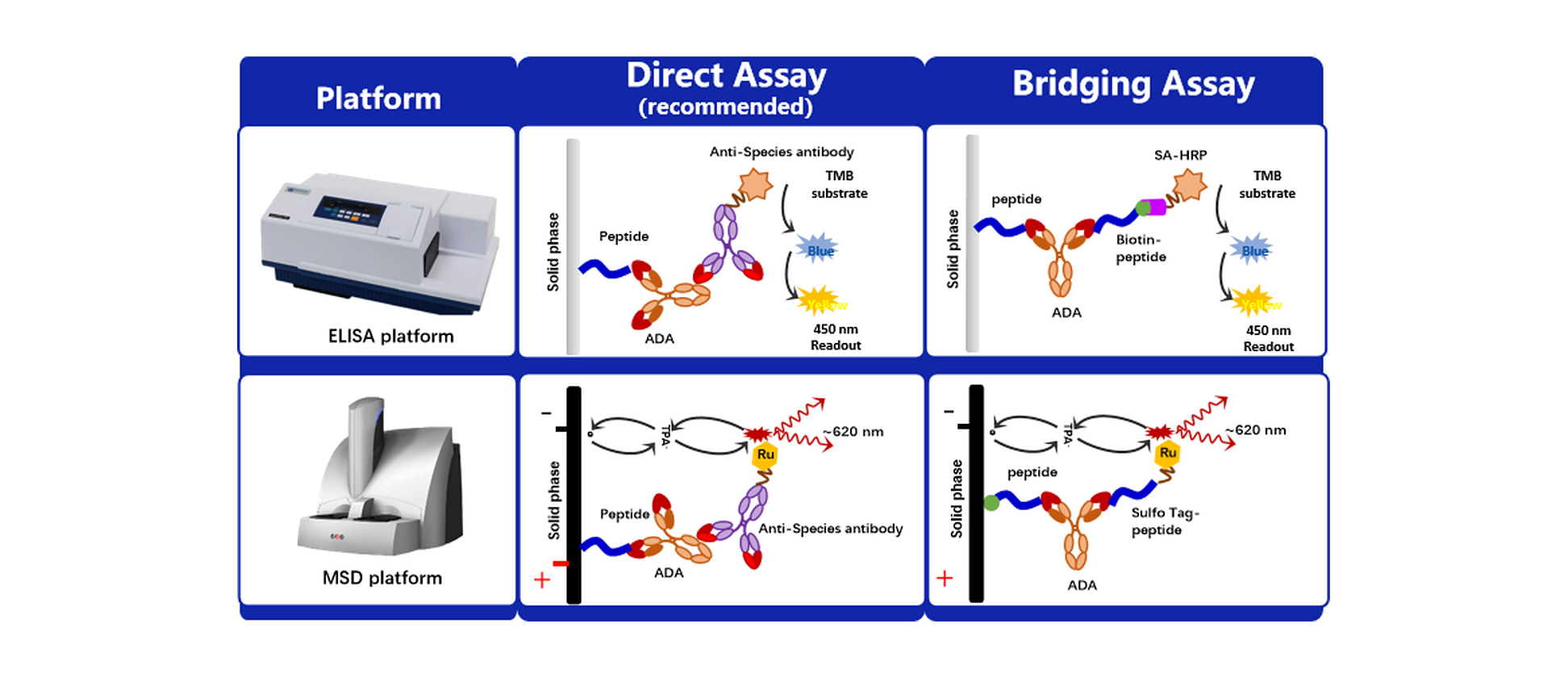
Leveraging the industry gold standard ELISA and the ultra-sensitive MSD (Meso Scale Discovery) electrochemiluminescence dual-core platforms, we deliver highly customized assay architectures tailored specifically to the unique physicochemical properties of peptides.
Bridging Assay: Delivers exceptional dynamic range and high throughput. To address the inherent challenges of peptide labeling, we finely tune the conjugate molar ratio to maximize the preservation of the native drug structure.
Direct Assay: An innovative, paradigm-shifting solution for "ultra-sensitive or ultra-short peptides" that cannot tolerate conventional chemical labeling. By utilizing specialized buffer systems to physically immobilize the unlabeled native peptide, we completely bypass the methodological dead-end where the single critical epitope is masked during the labeling process.
-
We proficiently integrate advanced sample pre-treatment and elution strategies, such as acid dissociation, to cleanly disrupt interference from high-concentration free drugs, rigorously preventing false-negative results.
Pre-treatment Method
Drug Tolerance (250 ng/mL PC*)
Acid Dissociation
20 μg/mL
Affinity Capture Elution (ACE)
50 μg/mL
Solid Phase Extraction with Acid Dissociation (SPEAD)
100 μg/mL
Bead Extraction with Acid Dissociation (BEAD)
500 μg/mL
Note: For non-clinical studies, it is recommended to evaluate the positive control antibody at higher concentrations (e.g., 250-500ng/mL)
Regulatory Compliance: Assay Validation and Multi-Tiered Analysis
-
We deeply understand that exceptional immunogenicity data is the critical driver for the successful global regulatory approval (IND/NDA) of peptide therapeutics. Our Peptide ADA Analytical Platform strictly complies with the latest NMPA, FDA, and EMA guidelines. We scientifically stratify the entire research lifecycle into two core modules: [Compliant Assay Validation] and [Multi-Tiered Sample Analysis], seamlessly supporting your global dual or multi-regional regulatory submissions.
-

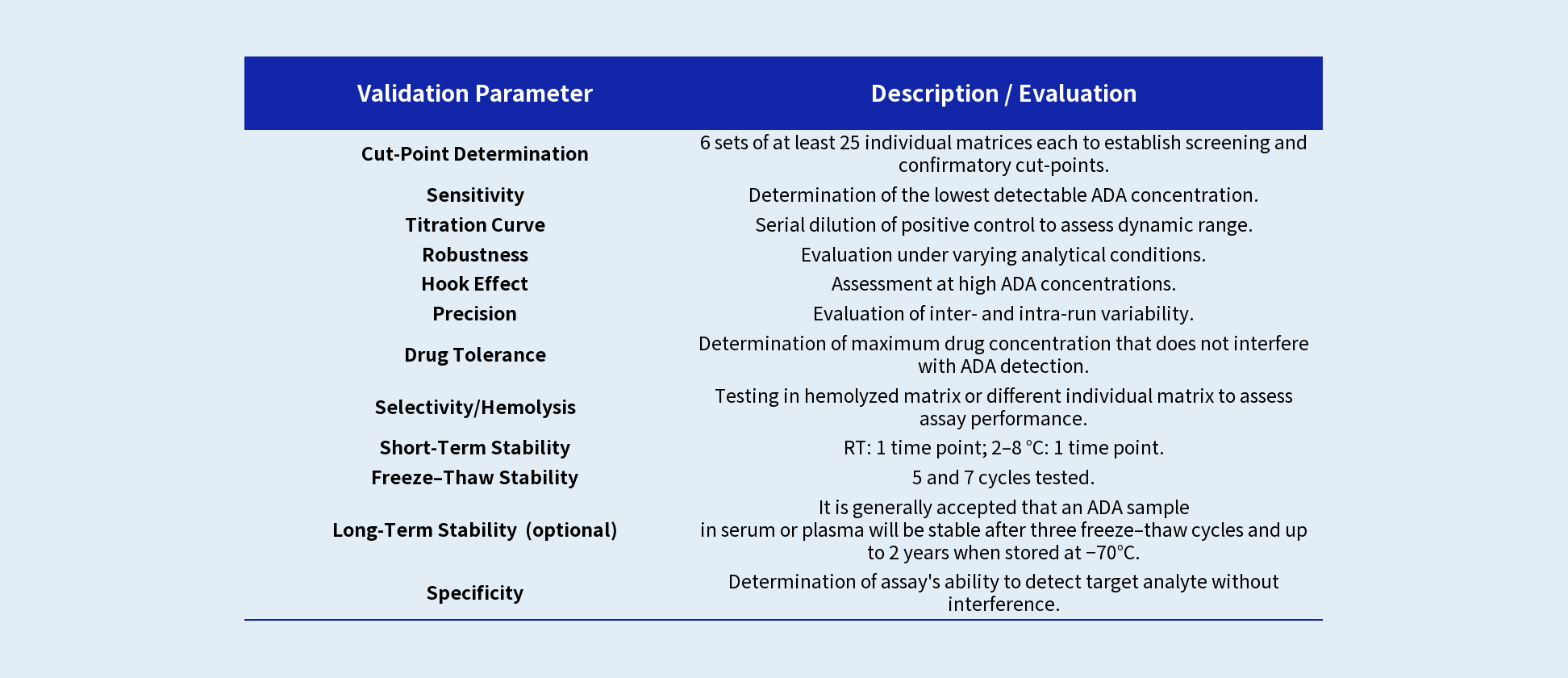

Assay Validation aligned with Global Submission Standards
Module 1: Assay Validation aligned with Global Submission Standards
To guarantee the utmost reliability of assays intended for pre-clinical and clinical release, we comprehensively address and validate the following core parameters for ADA methods.
-
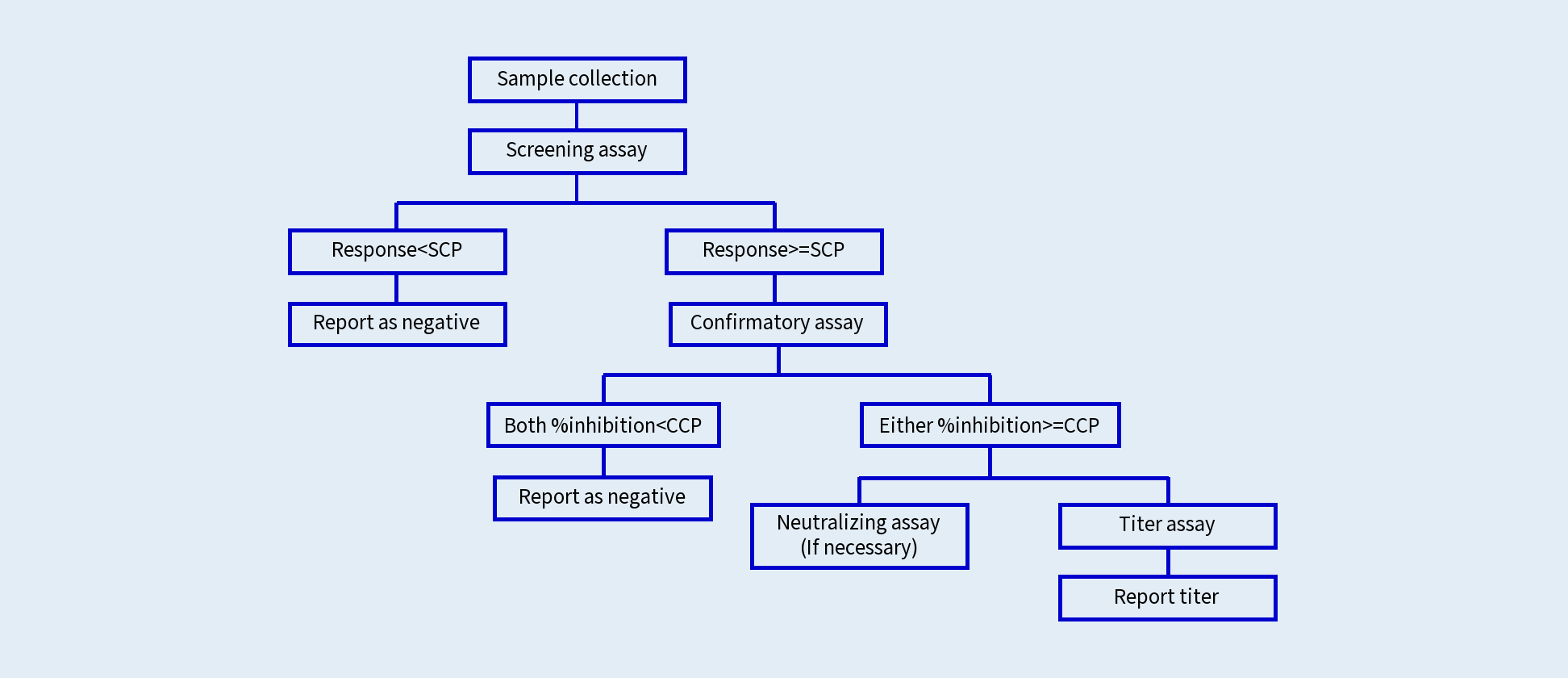
Multi-Tiered Immunogenicity Sample Analysis
Module 2: Multi-Tiered Immunogenicity Sample Analysis
During actual pre-clinical and clinical sample analysis, we fully implement the "Multi-Tiered Approach" universally recommended by major regulatory agencies. Every sample undergoes a rigorous funnel of "Screening – Confirmatory – Titering" assessments, unveiling the true landscape of your peptide’s immunogenicity.
-
FAQs
-

Since peptides have a very small molecular weight, is strict ADA evaluation really necessary?


Absolutely. Although small peptides were historically considered to have negligible immunogenicity, modern peptide therapeutics widely utilize half-life extension modifications (e.g., PEGylation), cyclization, or unnatural amino acids, which can readily generate neo-epitopes. More crucially, if the generated ADAs cross-neutralize endogenous hormones essential for sustaining physiological functions in patients, it can lead to severe safety hazards. Therefore, global regulatory agencies (such as NMPA and FDA) strongly recommend and require comprehensive ADA screening for peptide pipelines across pre-clinical and clinical stages.
-
When developing an assay, which strategy is more recommended: the Direct Assay or the Bridging Assay, and why?
This heavily depends on the structural characteristics of the peptide itself. While the Bridging Assay is the industry gold standard for measuring macromolecule ADAs (offering low background and high specificity), peptides pose a unique challenge due to their highly restricted spatial structure and single epitopes. Conventional chemical labeling (such as biotinylation) is not only difficult but can also completely destroy the peptide's binding activity. In such demanding scenarios, we highly recommend the Direct Assay (Direct Coating Assay). By physically immobilizing the peptide onto the plate using a specialized buffer system, this method perfectly bypasses the epitope-masking issues induced by labeling, acting as a highly effective, tailored breakthrough strategy for peptide analysis.
-
In actual study samples, will high concentrations of residual peptide drug affect ADA detection?
Yes, it can cause severe interference. High concentrations of free drug in the sample will compete with our detection reagents for the target antibodies, suppressing the true signal and leading to dangerous "false-negative" results. To effectively eliminate this interference, we incorporate specific sample pre-treatment methods, such as Acid Dissociation, which robustly break apart these micro-complexes and significantly enhance the assay's Drug Tolerance.
-
What key reagents do clients need to provide for an ADA assessment?
Typically, we require clients to provide the highly purified peptide reference standard, as well as the corresponding positive control (PC) antibody (usually a polyclonal antibody generated through animal immunization) to establish the quality control system.
Related Resource


-

Mechanism-Based Large Animal PK Strategies to Accelerate Oral Peptide Development
 WebinarsOct 31, 2026Learn More

-
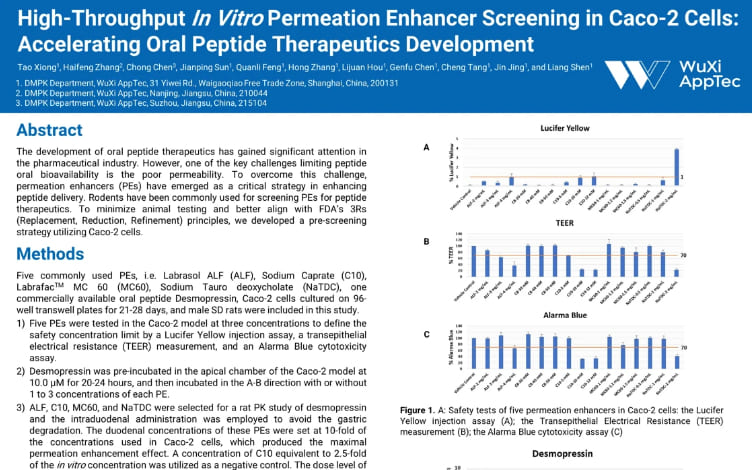
High-Throughput In Vitro Permeation Enhancer Screening in Caco-2 Cells: Accelerating Oral Peptide Therapeutics Development
PostersOct 23, 2026Learn More -
ADME-PK Solutions for Peptides and Oligos
WebinarsOct 16, 2026Learn More -
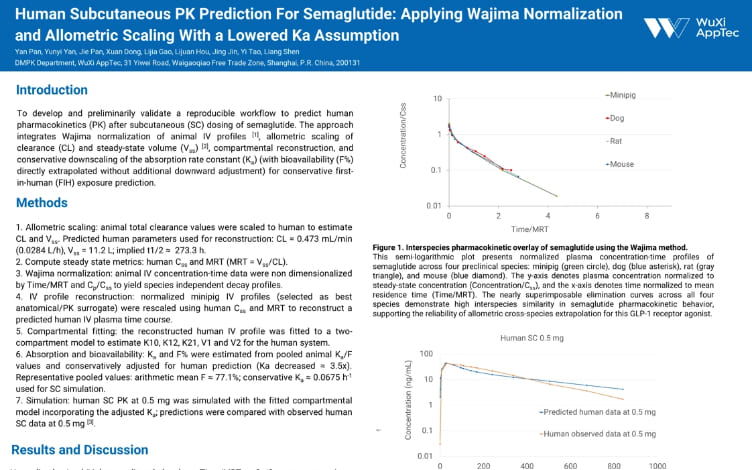
Human Subcutaneous PK Prediction For Semaglutide: Applying Wajima Normalization and Allometric Scaling With a Lowered Ka Assumption
PostersOct 13, 2026Learn More -
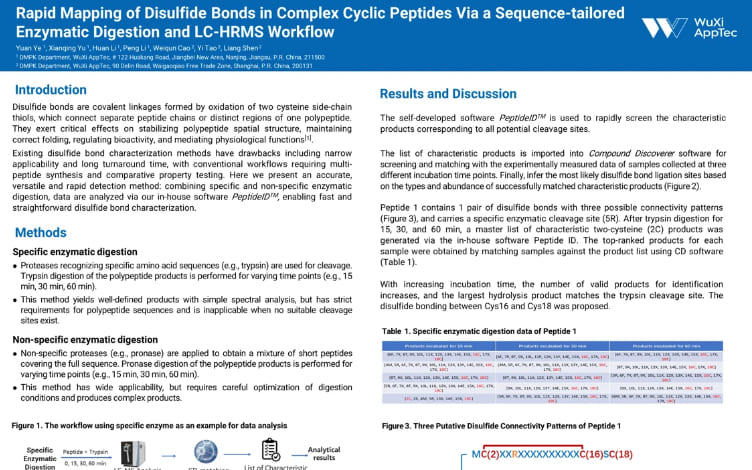
Rapid Mapping of Disulfide Bonds in Complex Cyclic Peptides Via a Sequence-tailored Enzymatic Digestion and LC-HRMS Workflow
PostersSep 21, 2026Learn More -
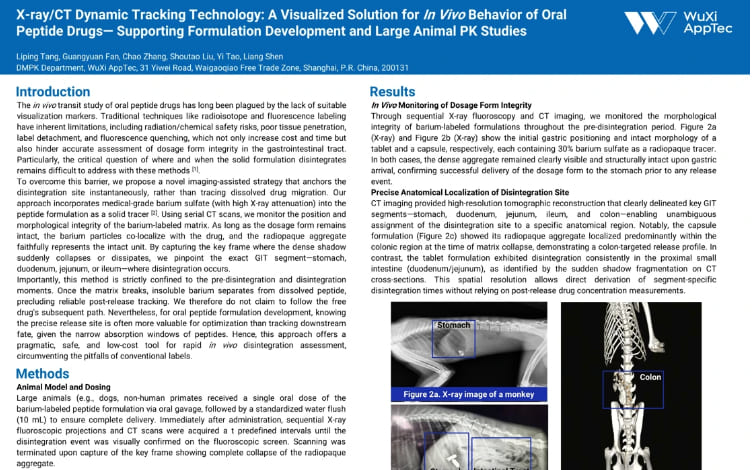
X-ray/CT Dynamic Tracking Technology: A Visualized Solution for In Vivo Behavior of Oral Peptide Drugs— Supporting Formulation Development and Large Animal PK Studies
PostersSep 10, 2026Learn More -
PEGylated Peptides: Precursor vs. Product Ion Scan in Peptide Bioanalysis
ArticlesAug 27, 2026Learn More -
Introduction to Peptide-Drug Conjugates (PDCs) and DMPK Research Strategies
ArticlesAug 13, 2026Learn More -
ADME Studies of 37 FDA Approved Peptides: Strategies and Radiolabeling Considerations
ArticlesAug 07, 2026Learn More -
Unraveling Peptide Disulfide Bonds via Enzymatic Digestion: A Rapid and Precise Characterization Strategy
ArticlesJul 31, 2026Learn More -
Decoding Peptide Metabolism: The Role of Peptide Enzymes and Peptide Optimization Strategies
ArticlesJul 23, 2026Learn More -
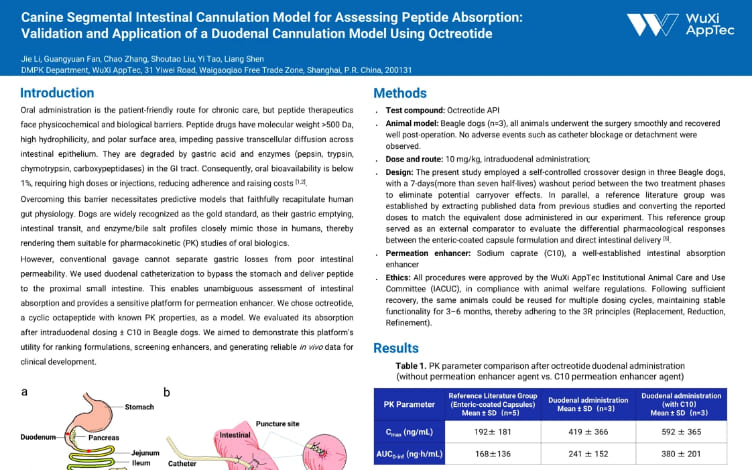
Canine Segmental Intestinal Cannulation Model for Assessing Peptide Absorption: Validation and Application of a Duodenal Cannulation Model Using Octreotide
PostersJul 18, 2026Learn More -
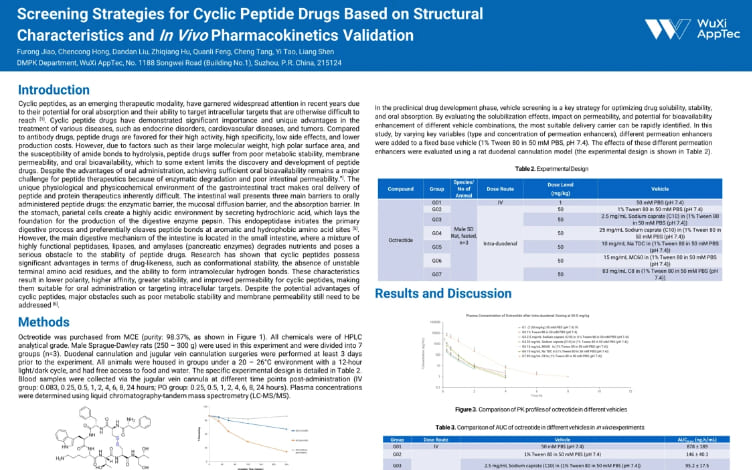
Screening Strategies for Cyclic Peptide Drugs Based on Structural Characteristics and In Vivo Pharmacokinetics Validation
PostersJul 17, 2026Learn More -
Navigating Peptide Bioanalysis: Analytical Challenges and LC-MS/MS Solutions
BlogsJul 10, 2026Learn More -
Overview of Peptide Drugs: Definition, Development, Characteristics, and DMPK Research Strategies
ArticlesJun 26, 2026Learn More -
Optimizing Oral Formulation for Peptides and Novel Molecules: Breaking the Delivery Dilemma
ArticlesMay 28, 2026Learn More -
TidesID - Fast & Accurate Metabolite Identification for Peptides & Oligonucleotides 丨DMPK Frontiers
VideosMay 28, 2026Learn More -
Unlocking Peptide Receptor Radionuclide Therapies (PRRTs) and Diagnostic PRCs: What, Why, and Their Metabolic Studies
ArticlesMar 06, 2026Learn More -
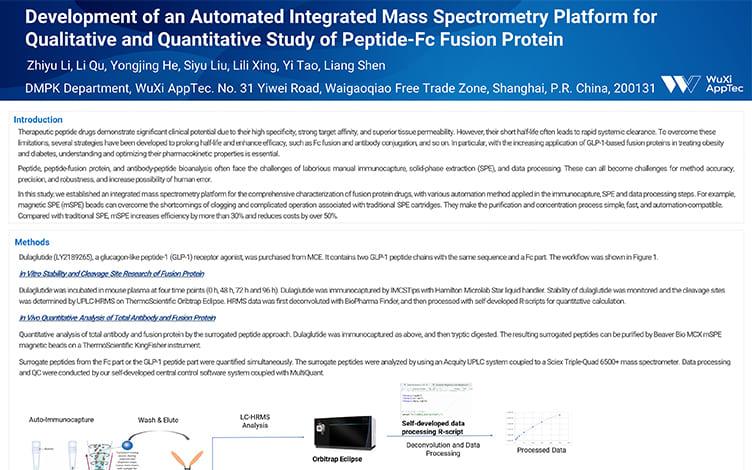
Development of an Automated Integrated Mass Spectrometry Platform for Qualitative and Quantitative Study of Peptide-Fc Fusion Protein
PostersJan 24, 2026Learn More -
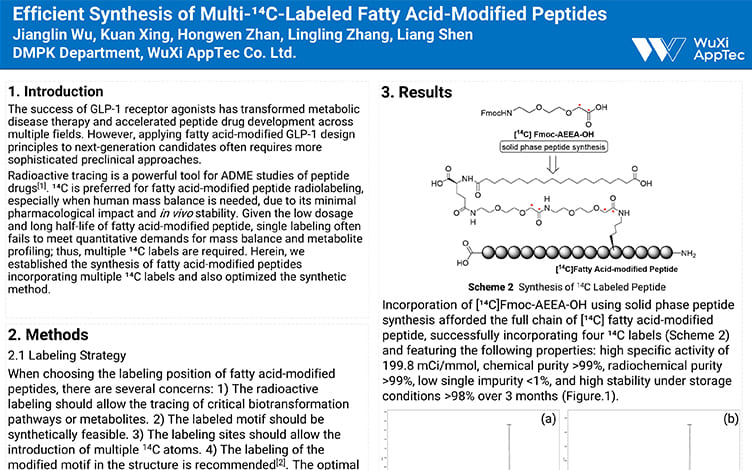
Efficient Synthesis of Multi-14C-Labeled Fatty Acid-Modified Peptides
PostersJan 18, 2026Learn More -
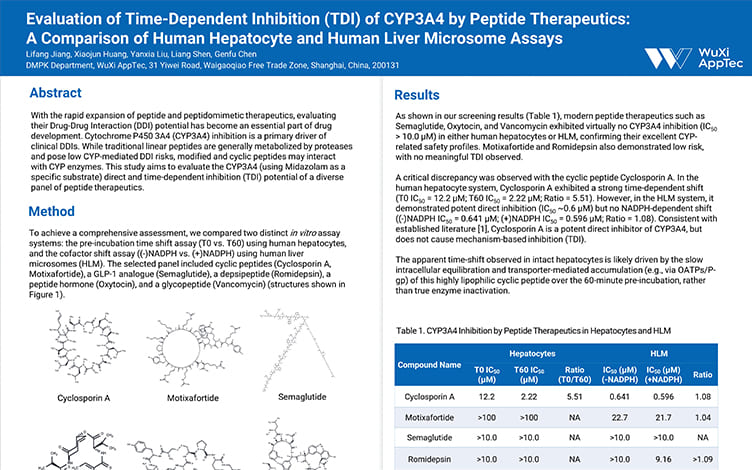
Evaluation of Time-Dependent Inhibition (TDI) of CYP3A4 by Peptide Therapeutics: A Comparison of Human Hepatocyte and Human Liver Microsome Assays
PostersJan 18, 2026Learn More -
Software-aided Detection and Structural Characterization of Cyclic Peptide Metabolites in Biological Matrix by High-resolution Mass Spectrometry
PublicationsJan 09, 2026Learn More -
GLP-1 Peptide Drug Radiolabeling and ADME Study Strategies
ArticlesDec 24, 2025Learn More -
Decoding Peptide ADME Challenges: Integrated Radiolabeled Synthesis & ADME Platform - DMPK Frontiers
VideosOct 24, 2025Learn More -
In Vitro Metabolic Stability of Peptide Drugs Across Different Tissues
ArticlesSep 30, 2025Learn More -
Biomimetic Chromatography Method to Estimate Human Plasma Protein Binding for Peptides
PostersSep 19, 2025Learn More -
Establish a High-throughput Exposed Polar Surface Area (EPSA) Screening Platform
PostersSep 04, 2025Learn More -
Evaluating Oral Peptides' Gastrointestinal Absorption: Methods and Applications
ArticlesAug 28, 2025Learn More -
Advancing Novel Therapeutics with Innovative DMPK Strategies in Metabolism and Bioanalysis
WebinarsAug 22, 2025Learn More -
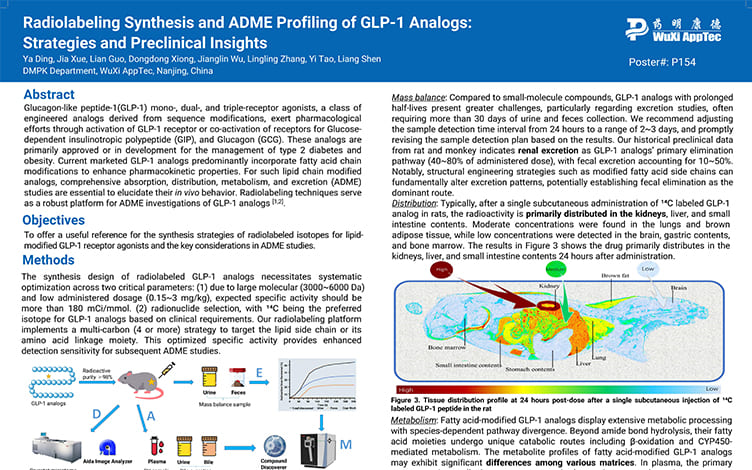
Radiolabeling Synthesis and ADME Profiling of GLP-1 Analogs: Strategies and Preclinical Insights
PostersAug 22, 2025Learn More -
Solving the Peptide Puzzle: Strategies for Smarter Development
WebinarsJul 24, 2025Learn More -
An Integrated Radiolabeling and ADME Platform for Peptide Drugs
WebinarsJul 17, 2025Learn More -
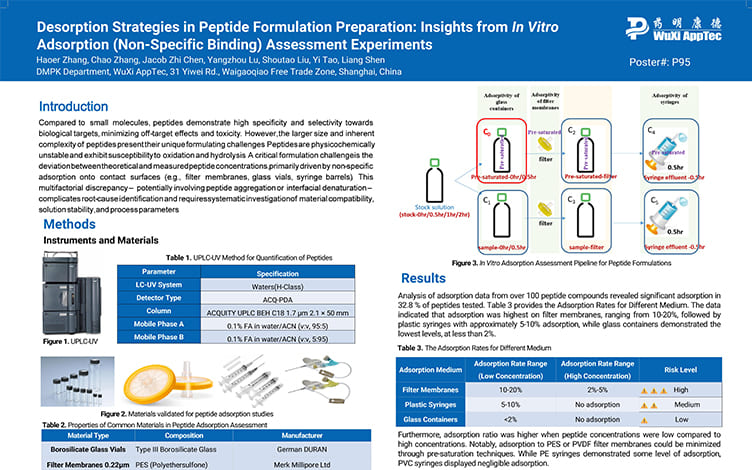
Desorption Strategies in Peptide Formulation Preparation: Insights from In Vitro Adsorption (Non-Specific Binding) Assessment Experiments
PostersJul 17, 2025Learn More -
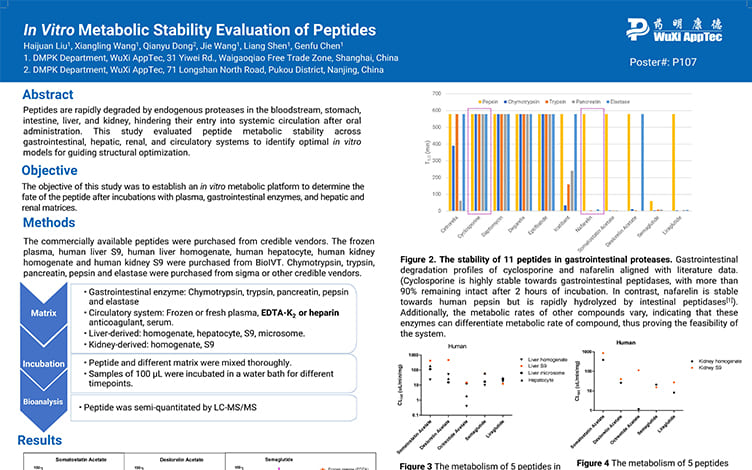
In Vitro Metabolic Stability Evaluation of Peptides
PostersJul 16, 2025Learn More -
Cyclic Peptides: FDA-Approved Drugs and Their Oral Bioavailability and Metabolic Stability Tactics
ArticlesMay 08, 2025Learn More -
Enhancing Permeability Through Exposed Polar Surface Area (EPSA) for Beyond Rule of Five (bRo5) Drug Candidates
ArticlesApr 10, 2025Learn More -
Unlocking Precision in Peptide Metabolite Identification for Next-Gen Drug Development
ArticlesMar 19, 2025Learn More -
Webinar Q and A | Optimizing DMPK Strategy for Peptide Drugs
BlogsJan 13, 2025Learn More -
Metabolite Identification in Peptide Drugs and Its Challenges
ArticlesDec 02, 2024Learn More -
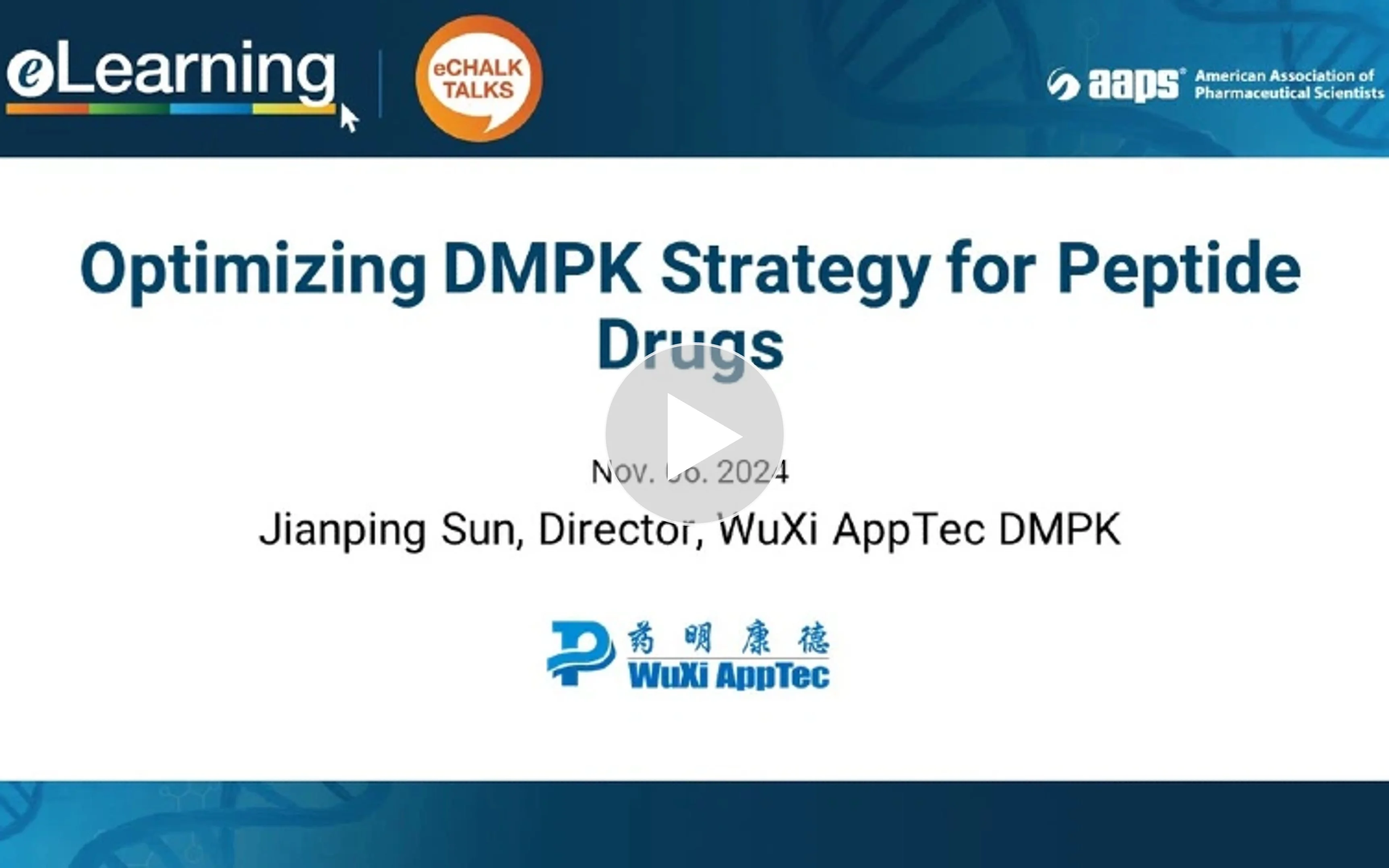
Optimizing DMPK Strategy for Peptide Drugs
WebinarsNov 21, 2024Learn More -
Exploring GLP-1 Receptor Agonists (GLP-1 RAs): R&D Advances and Tackling Bioanalytical Challenges
ArticlesNov 01, 2024Learn More -
DMPK Research of Cyclic Peptides
WebinarsOct 29, 2024Learn More -
Decoding DMPK Profiles of 37 FDA-Approved Peptides: Insights and Radiolabeling Considerations
BlogsOct 18, 2024Learn More -
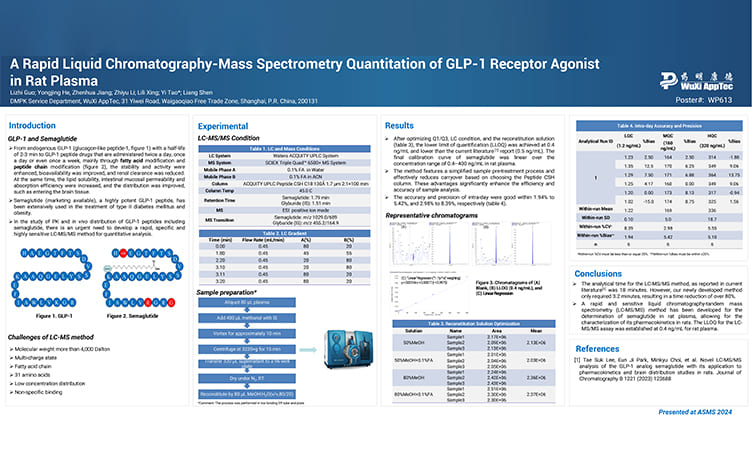
A Rapid Liquid Chromatography-Mass Spectrometry Quantitation of GLP-1 Receptor Agonist in Rat Plasma
PostersJul 26, 2024Learn More -
Preclinical Drug Development Testing for Peptide
BrochuresMay 18, 2023Learn More














Related Services



Stay Connected
Keep up with the latest news and insights.
