



Radiolabeled In vitro ADME Studies
The in vitro ADME studies utilizing radiolabeled compounds, with the advantages of accurate quantification and minimal matrix interference, can provide information on cross-species metabolic pathways, plasma protein binding (PPB), covalent binding (CVB) evaluation and metabolic phenotyping.

-
Overview
-
Assays
-
Case Study
-
Experience
-
FAQs
-
Related Resources
-
Related Services

Radiolabeled ADME

Overview
WuXi AppTec DMPK can provide the service of radiolabeled in vitro metabolism, PPB, CVB and phenotyping studies with [14C] and [3H] labeled compounds. Experimental assays include but not limited to: metabolic stability and metabolite identification studies in various in vitro (plasma, liver S9, liver microsomes or hepatocytes across multiple species), and plasma protein binding studies (mice, rats, dogs, monkeys, and humans, including human serum albumin [HSA]); covalent binding burden evaluation in liver microsomes and hepatocytes and enzyme phenotyping in different CYP/UGT matrices. The radiolabeled in vitro platform supports a wide range of compound types, including conventional small molecules, high-polar and non-polar small molecules, natural products, nucleotides, PROTACs, peptides, ADCs, PDCs, oligonucleotides, etc.; involved matrix types include blood, plasma, urine, feces, bile, tissues, etc.
Learn More

Assays





Case Study
-
 In vitro Metabolism for Cross-species Comparison
 -
Covalent Binding Evaluation
-
After incubation of 10 µM labeled compound [14C]TA-1 in rat, dog, monkey and human hepatocytes, metabolite profiles were obtained by high performance liquid chromatography coupled with on-line radio-detector detection (see Figure 1). A total of 12 metabolites were detected across all incubation samples. And the radio-profiles of the parent drug and all metabolites in hepatocytes across species were summarized in Figure 1. The results indicated that metabolic rates of the compound in all animal hepatocytes were higher than that in human hepatocytes. Four metabolites found in human hepatocytes were observed in rat and monkey hepatocytes instead of dog hepatocytes. The percentage of total radioactivity of each metabolite is shown in Table 1.
Learn More
-

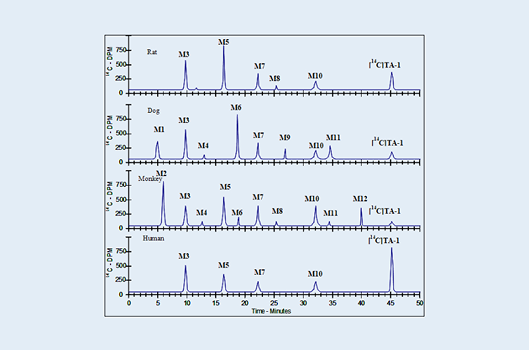

Figure 1. Metabolite radio-profiles of [14C]TA-1 after incubated with rat, dog, monkey and human hepatocytes
-
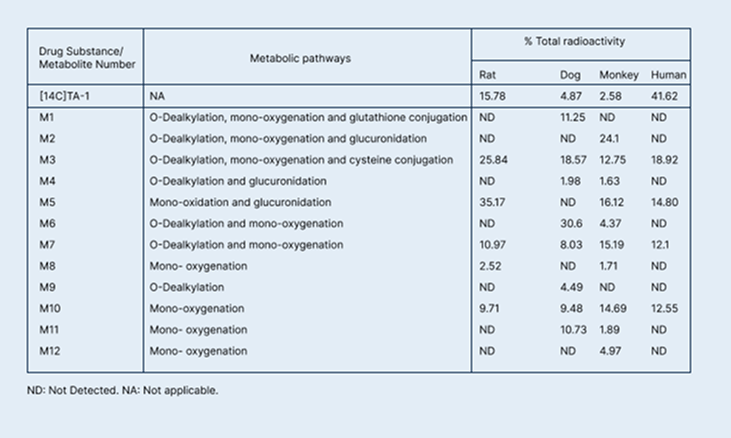
Table 1. Relative abundances of [14C]TA-1 and its major metabolites in rat, dog, monkey, and human hepatocyte incubation samples
-
-
[14C]TA-2, at the concentration of 10 µM was incubated with cryopreserved hepatocytes in a CO2 incubator with 5% CO2 and saturated humidity at 37°C for 4 hours. The positive control- [14C]Clozapine, [14C]Acetaminophen, and [3H]Warfarin at 10 µM, were run in parallel to assess reliability of the test system. Following incubation, samples were extracted. Post-extraction pellets were analyzed for protein concentration and radioactivity to quantify covalent binding levels, while the resulting extracts were analyzed via LC-RAM/HRMS to determine the metabolic turnover rate. The results were used to calculate the net covalent binding (CVBnet), the fraction of metabolism leading to covalent binding (fcvb), and daily CVB burden of the test articles. Detailed data are summarized in Table 2
Learn More
-
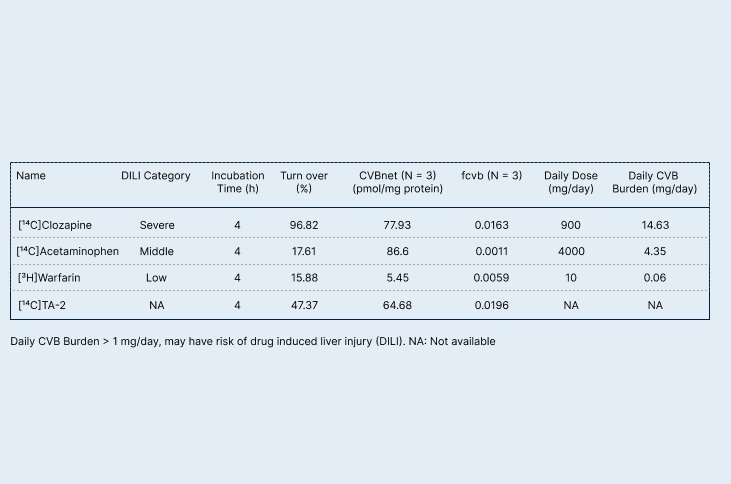
Table 2. Summary of Positive Controls and [14C]TA-2 of Covalent Binding Burden Test in Human Hepatocytes
-
Experience
-
15+
Years of experience in radio-labeled studies


-
800+
IND/NDA studies for FDA and NMPA submissions successfully

-
1000+
Radiolabeled rodent and large animal ADME studies

-
10+
Human mass balance studies each year

FAQs
-

What are the advantages of radiolabeled in vitro metabolism studies?


Radiolabeled in vitro studies offer several key advantages. First, radioactive tracer technology can eliminate matrix interference, ensuring high analytical accuracy. Second, radioactivity profiling enables unambiguous identification of major metabolites, precise quantification of their relative proportions, and cross-species comparisons of metabolic profiles—thereby supporting more accurate elucidation of metabolic pathways and informed selection of appropriate toxicology test species. In addition, radiolabeled isotopes also facilitate metabolite identification and enable more confident structural characterization of metabolites.
-
When to conduct radiolabeled covalent binding studies?
Radiolabeled covalent binding assays are used to quantify the extent of drug covalent binding following incubation with human liver microsomes and/or hepatocyte systems. These studies are recommended for compounds classified as covalent inhibitors, for those with confirmed reactive metabolite formation, or for agents associated with liver injury findings in nonclinical animal studies. Early evaluation of the potential for human drug-induced liver injury (DILI) via such assays is therefore strongly recommended.
Related Resources


-

ADME Studies of 37 FDA Approved Peptides: Strategies and Radiolabeling Considerations
 ArticlesAug 07, 2026Learn More
-
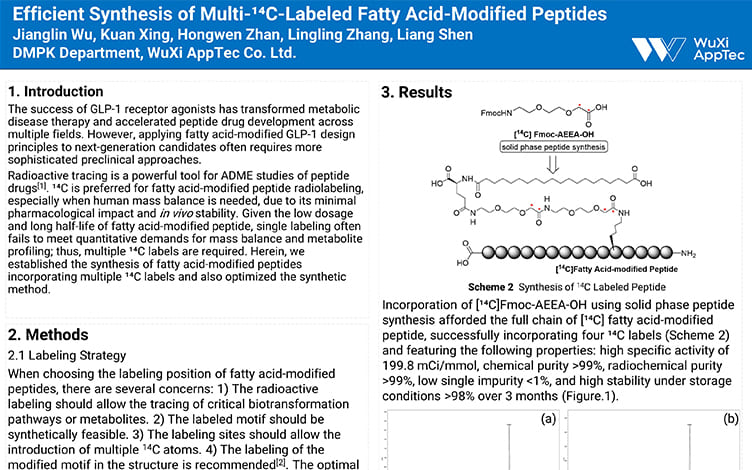
Efficient Synthesis of Multi-14C-Labeled Fatty Acid-Modified Peptides
PostersJan 18, 2026Learn More -
GLP-1 Peptide Drug Radiolabeling and ADME Study Strategies
ArticlesDec 24, 2025Learn More -
Decoding Peptide ADME Challenges: Integrated Radiolabeled Synthesis & ADME Platform - DMPK Frontiers
VideosOct 24, 2025Learn More -
Mass balance, Metabolic Disposition, and Pharmacokinetics of [ 14C] Ensartinib, a Novel Potent Anaplastic Lymphoma Kinase (ALK) Inhibitor, in Healthy Subjects Following Oral Administration
PublicationsOct 16, 2025Learn More -
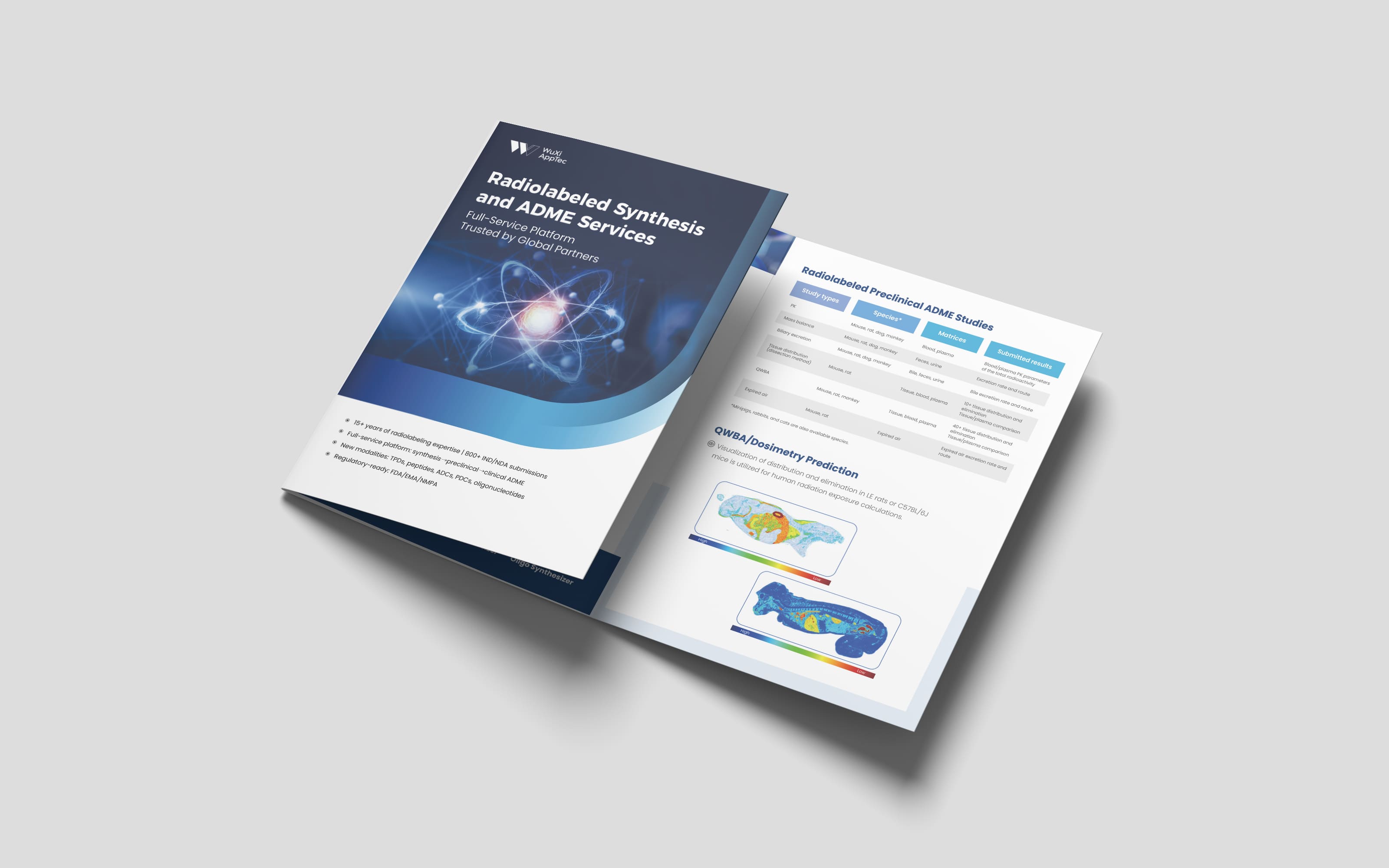
Radiolabeled Synthesis and ADME Services
BrochuresOct 11, 2025Learn More -
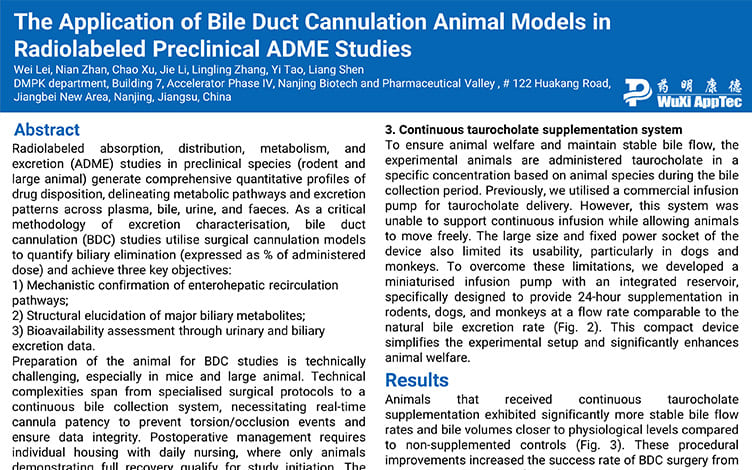
The Application of Bile Duct Cannulation Animal Models in Radiolabeled Preclinical ADME Studies
PostersSep 11, 2025Learn More -
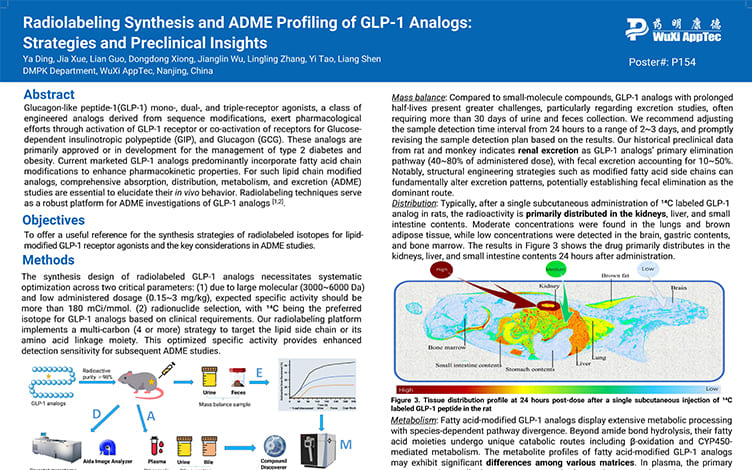
Radiolabeling Synthesis and ADME Profiling of GLP-1 Analogs: Strategies and Preclinical Insights
PostersAug 22, 2025Learn More -
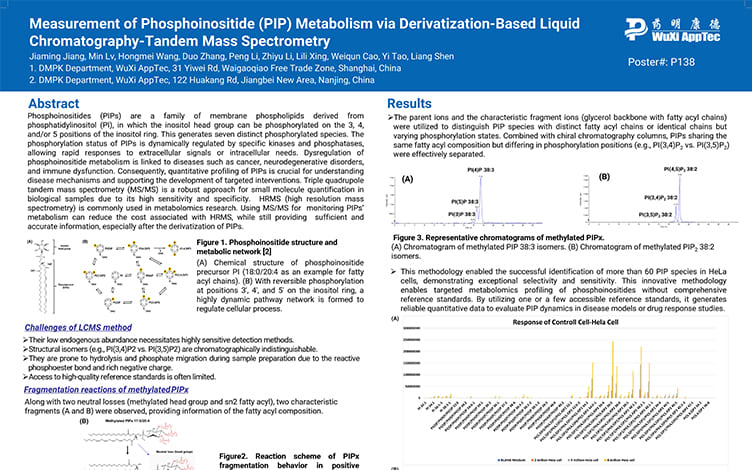
Measurement of Phosphoinositide (PIP) Metabolism via Derivatization-Based Liquid Chromatography-Tandem Mass Spectrometry
PostersAug 12, 2025Learn More -
An Integrated Radiolabeling and ADME Platform for Peptide Drugs
WebinarsJul 17, 2025Learn More -
New Book Release: Drug Metabolism and Pharmacokinetics: Frontiers, Strategies, and Applications | WuXi AppTec DMPK
VideosJul 17, 2025Learn More -
Decoding DMPK Frontiers for Novel Therapeutics: WuXi AppTec DMPK’s New Book Release
BlogsJul 10, 2025Learn More -
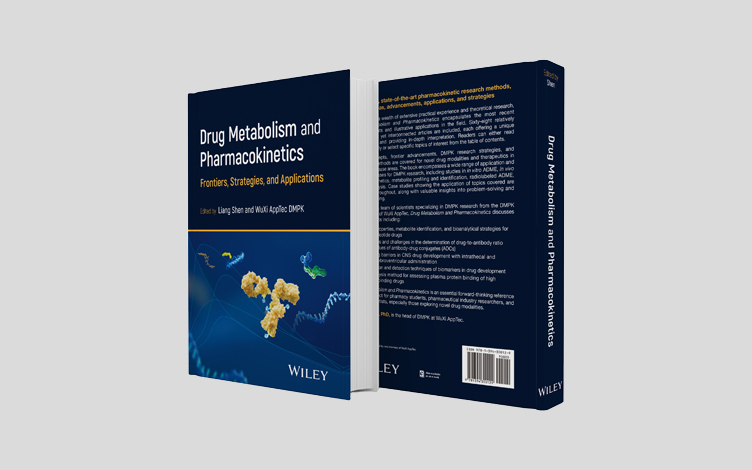
Drug Metabolism and Pharmacokinetics: Frontiers, Strategies, and Applications
PublicationsJun 13, 2025Learn More -
High-Performance, Professional, Innovative: WuXi AppTec DMPK Accelerates Breakthroughs
VideosMay 22, 2025Learn More -
Metabolic disposition of [14C]-abivertinib, an epidermal growth factor receptor tyrosine kinase inhibitor: Role of glutathione conjugation
PublicationsApr 25, 2025Learn More -
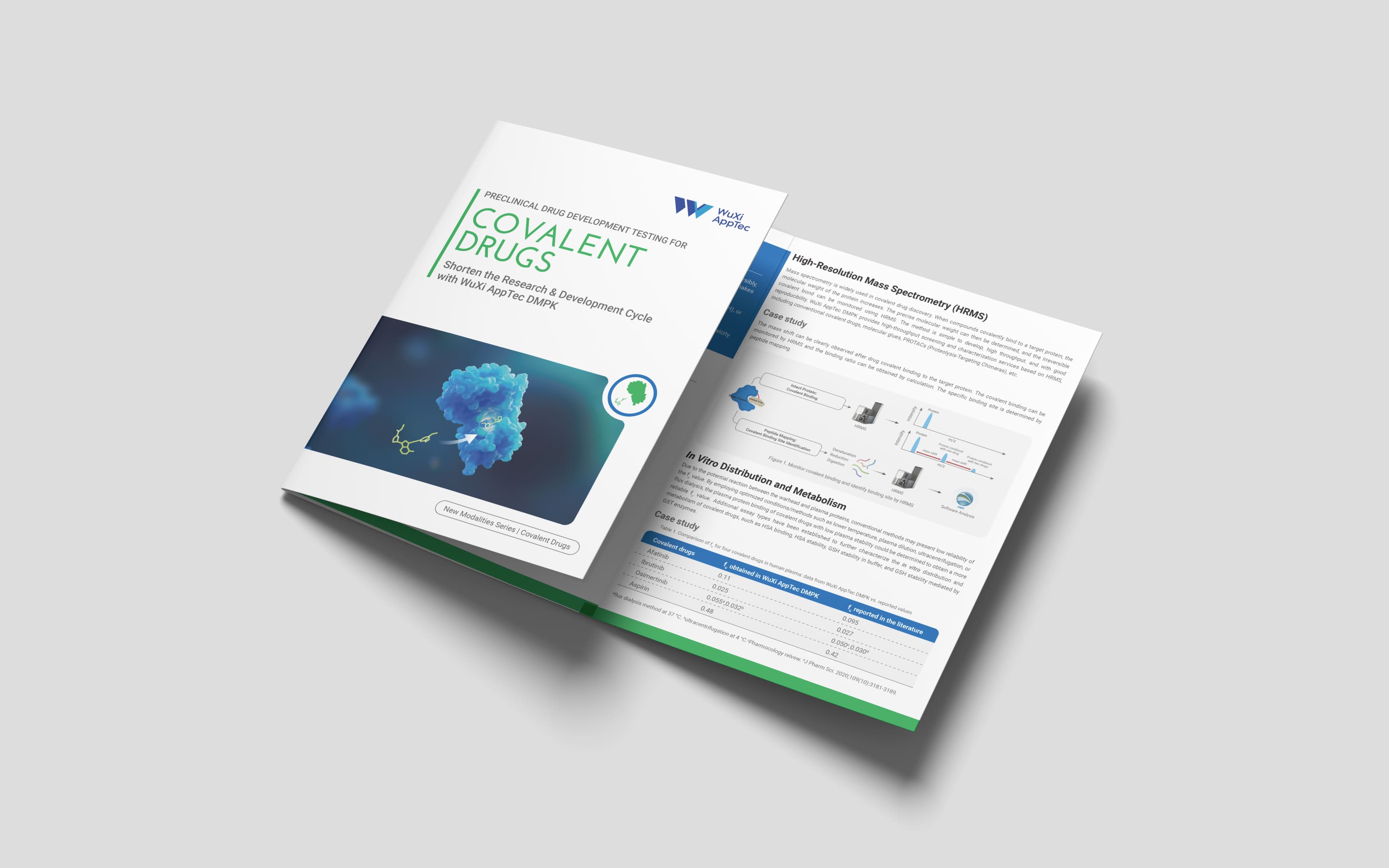
Covalent Drugs DMPK Services
BrochuresApr 10, 2025Learn More -
Absorption, Metabolism and Excretion of Surufatinib in Rats and Humans
PublicationsApr 03, 2025Learn More -
Spotlight on Synthesis of Radiolabeled Compounds with DMPK Considerations and Applications in New Modalities
ArticlesJan 30, 2025Learn More -
WuXi AppTec DMPK: Your Trustworthy Partner
VideosDec 27, 2024Learn More -
Decoding DMPK Profiles of 37 FDA-Approved Peptides: Insights and Radiolabeling Considerations
BlogsOct 18, 2024Learn More -
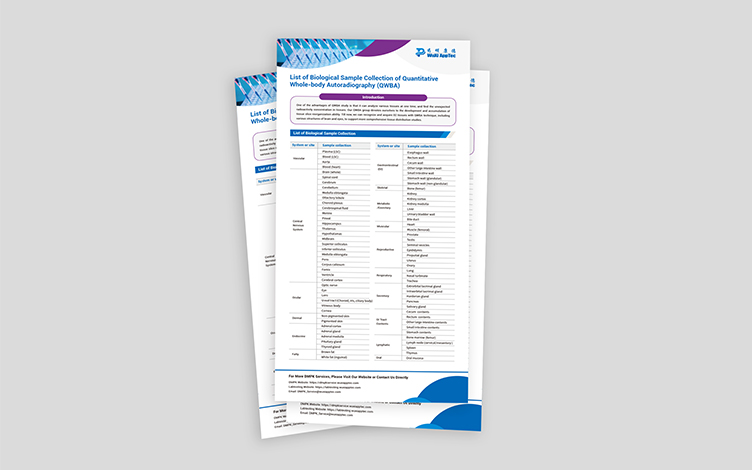
List of Biological Sample Collection of Quantitative Whole-body Autoradiography (QWBA)
BrochuresAug 21, 2024Learn More -
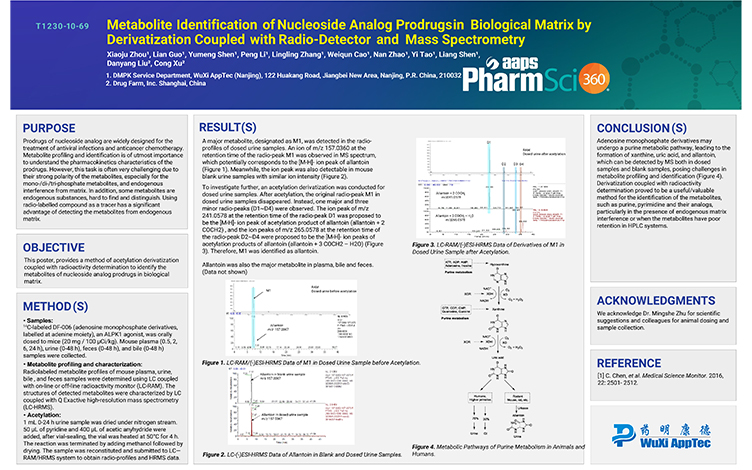
Metabolite Identification of Nucleoside Analog Prodrugs in Biological Matrix by Derivatization Coupled with Radio-Detector and Mass Spectrometry
PostersMar 07, 2024Learn More -
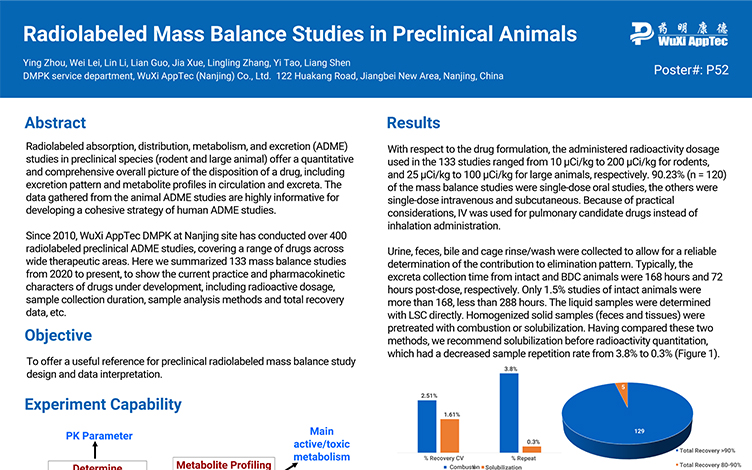
Radiolabeled Mass Balance Studies in Preclinical Animals
PostersFeb 27, 2024Learn More -
Drug Metabolism and Pharmacokinetics (DMPK) Service
BrochuresOct 27, 2023Learn More -
Quantitative Whole-body Autoradiography (QWBA) Enables ADC Tissue Distribution Studies in Tumor-bearing Nude Rodents
BlogsAug 18, 2023Learn More -
Using Radiolabeling Techniques to Improve ADC Pharmacokinetic Studies
BlogsAug 18, 2023Learn More -
Application of Radiolabeling Techniques in ADC PK Studies
ArticlesJul 26, 2023Learn More -
Quantitative Whole-body Autoradiography (QWBA) vs. Mass Balance Studies
BlogsMay 04, 2023Learn More -
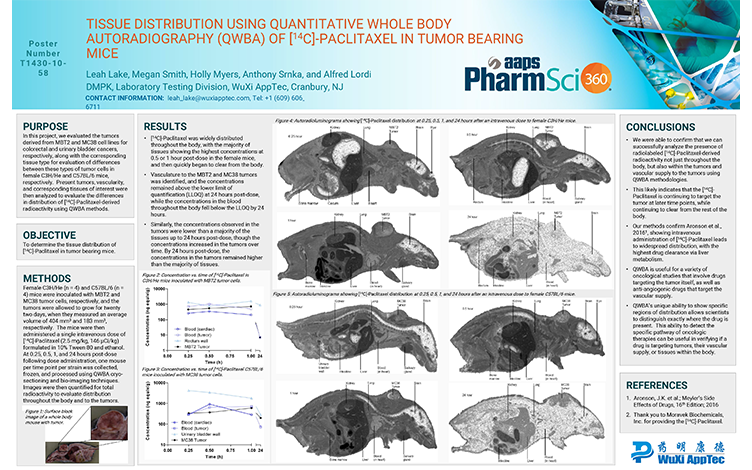
Tissue Distribution Using Quantitative Whole Body Autoradiography (QWBA) of [14c]-Paclitaxel in Tumor Bearing Mice
PostersMay 04, 2023Learn More





Related Services
-
 Radiolabeled In Vivo ADME StudyLearn More
 -
Radiolabeled Non-Clinical In Vivo ADME StudyLearn More
-
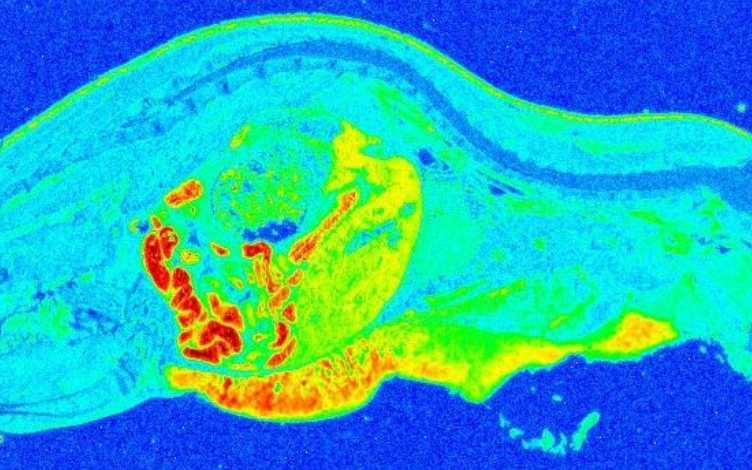
Quantitative Whole-body Autoradiography (QWBA)Learn More
-
Radiolabeled MetID (Metabolite Profiling and Identification)Learn More
-
Human Radiolabeled Mass Balance StudyLearn More
-
Radiolabeled Compound SynthesisLearn More




Stay Connected
Keep up with the latest news and insights.
