



ADME Studies of 37 FDA Approved Peptides: Strategies and Radiolabeling Considerations
-

Articles
-

Aug 07, 2026
Since the clinical introduction of insulin dating back to 1922, therapeutic peptides have undergone over a century of development. Typically comprising 10 to 40 amino acids, peptides exhibit a molecular weight (MW) of less than 10 kDa. Positioned between small molecules and biological macromolecules in terms of MW, therapeutic peptides stand out due to their high specificity and potency, low dosage, and low toxicity. In recent years, with the development of many blockbuster drugs such as dulaglutide, semaglutide, and tirzepatide, therapeutic peptides have become one of the most emerging fields in drug research and development globally. By November 2023, around 90 therapeutic peptides have been marketed worldwide. Notably, these encompass diverse targets including GLP-1R, Insulin, HER 2, and others, with GLP-1R emerging as a prominent focus.
In this article, we will focus on an industry white paper about ADME research of therapeutic peptides published in 2023: Metabolism and Excretion of Therapeutic Peptides: Current Industry Practices, Perspectives, and Recommendations [1]. This white paper explores the current ADME research landscape, research strategy of therapeutic peptides in vivo and shares the key considerations of radiolabeling technology for the pharmacokinetic study of therapeutic peptides.
What Is the Current Landscape of Radiolabeled ADME Studies for Therapeutic Peptides
Therapeutic peptides can be classified into three types based on structures: TPepA, linear peptides composed of only natural amino acids; TPepB, linear peptides containing unnatural amino acids and/or organic linkers with lipophilic side chains, and TPepC, cyclic peptides.
The white paper summarizes 31 therapeutic peptides approved by the FDA from 2011 to 2022, and we supplemented 6 new FDA approved peptides authorized in 2023, which are trofinetide, rezafungin, paxlovid, flotufolastat F 18, motixafortide and zilucoplan (listed by approval order in Figure 1). These 37 FDA approved peptides include 8 TPepA (natural amino acid linear peptides), 19 TPepB (unnatural amino acid linear peptides), and 10 TPepC (cyclic peptides).
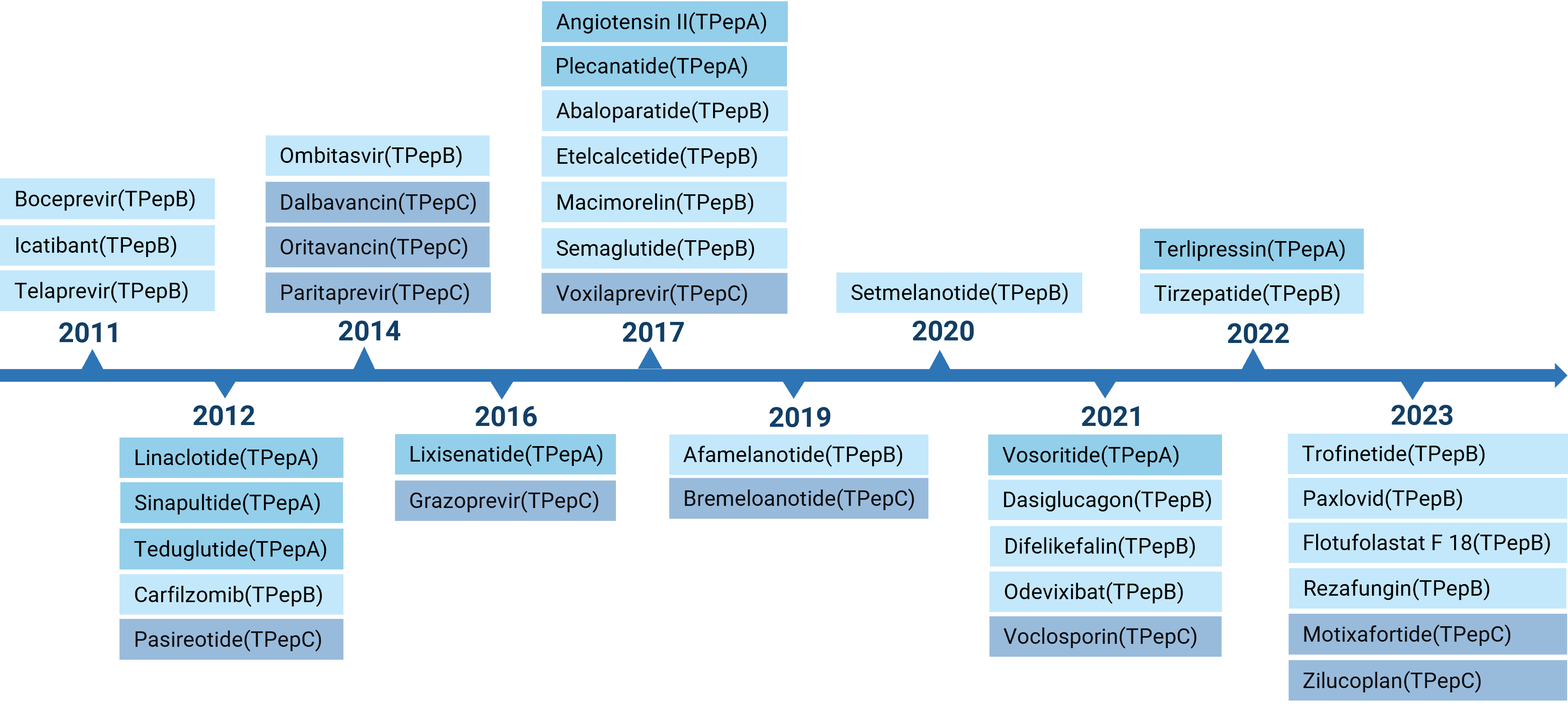
Figure 1. Summary of therapeutic peptides approved by the FDA from 2011 to 2023
The in vitro metabolism studies of 37 therapeutic peptides approved by the FDA from 2011 to 2023 are summarized in Table 1, with additional details provided in End-of-Text Table 4. The metabolism of the three types of therapeutic peptides was studied in vitro in a variety of biological materials, whereas the liver-associated matrices were commonly used to study TPepB and TPepC. Some of these drugs, such as difelikefalin and odevixibat, have been studied in vitro with a variety of biological substrates using 14C and/or 3H.
Table 1. Summary of in vitro metabolism studies of therapeutic peptides approved by the FDA from 2011 to 2023
In Vitro Metabolism Study Matrix | Mouse | Rat | Rabbit | Dog | Monkey | Human |
Liver homogenate/ liver S9/liver microsomes/hepatocytes/ liver cytosol | TPepA (1) | TPepA (1) | NS | TPepA (1) | NS | TPepA (1) |
TPepB (5) | TPepB (14) | TPepB (1) | TPepB (10) | TPepB (7) | TPepB (15) | |
TPepC (3) | TPepC (6) | TPepC (3) | TPepC (5) | TPepC (5) | TPepC (8) | |
Kidney homogenate/kidney S9/kidney microsomes | NS | TPepB (4) | NS | NS | TPepB (2) | TPepB (4) |
TPepC (1) | NS | TPepC (1) | ||||
Intestinal S9/intestinal contents/intestinal fluid/intestinal microsomes | TPepA (1) | TPepA (2) | NS | NS | NS | TPepA (2) |
NS | TPepB (1) | TPepB (1) | TPepB (1) | |||
Skin microsomes/skin S9/skin cells | NS | NS | NS | NS | NS | TPepB (2) |
Blood/serum/plasma | TPepA (1) | TPepA (1) | NS | TPepA (1) | NS | TPepA (1) |
NS | TPepB (7) | TPepB (3) | TPepB (2) | TPepB (8) | ||
NS | TPepC (1) | TPepC (1) | NS | TPepC (2) |
Note: NS, no studies mentioned in submission document(s).
Figures in parentheses indicate the number of peptides utilized for in vitro metabolism studies in this matrix type among 37 therapeutic peptides approved by the FDA.
Seventy-three percent (mainly TPepB and TPepC) of these 37 therapeutic peptides have undergone radiolabeled ADME studies in animals and/or humans (summarized in Table 2) (metabolism and excretion studies summarized in End-of-Text Table 4). Among these approved therapeutic peptides, the structures of nine drugs (boceprevir, telaprevir, ombitasvir, paritaprevir, grazoprevir, voxilaprevir, difelikefalin, odevixibat, and trofinetide) are similar to small molecules (MW less than 1,000), and all contain unnatural amino acids. Human radiolabeled ADME studies were conducted for all of them, elucidating the pattern of metabolism and elimination of therapeutic peptides in humans.
Table 2. Summary of in vivo radiolabeled metabolism and excretion studies of therapeutic peptides approved by the FDA from 2011 to 2023
Species/Radionuclide | Mouse | Rat | Rabbit | Dog | Monkey | Human |
14C | NS | TPepA (1) | NS | NS | NS | NS |
TPepB (1) | TPepB (9) | TPepB (1) | TPepB (3) | TPepB (9) | ||
TPepC (1) | TPepC (4) | TPepC (4) | TPepC (2) | TPepC (4) | ||
3H | TPepB (1) | TPepB (3) | NS | TPepB (1) | TPepB (1) | TPepB (1) |
3H/14C | NS | TPepA (1) | NS | NS | NS | NS |
TPepC (1) | TPepC (3) | TPepC (2) | TPepC (2) | TPepC (2) | ||
125I | NS | TPepB (1) | NS | NS | NS | NS |
18F | NS | NS | NS | NS | NS | TPepB (1) |
Note: NS, no studies mentioned in submission document(s).
Figures in parentheses indicate the number of peptides utilized for in vivo radiolabeled studies among 37 therapeutic peptides approved by the FDA.
How to Conduct In Vivo ADME Studies for Therapeutic Peptides
There is no regulatory guidance on conducting metabolism and excretion studies for therapeutic peptides. Based on industry status and regulatory requirements, the white paper provides a decision tree delineating the necessity of radiolabeled ADME experiments to support the marketing of therapeutic peptides. (Figure 2).
For a peptide containing only natural amino acids, in vitro metabolite identification (MetID) and in vivo metabolism/excretion studies are not mandated, following ICH-S6(R1) [2] for regulatory filing. However, these studies are required when metabolic insights are critical to understanding the pharmacokinetic/pharmacodynamic (PK/PD) relationship.
In contrast, for peptides containing unnatural amino acids and/or organic linker moieties (TPepB and TPepC), there are three distinct scenarios meriting considerations:
If the unnatural amino acids or the organic linker moiety have been used in other marketed therapeutic peptides and shown safety in humans, it may not be necessary to conduct radiolabeled ADME studies. Nonetheless, metabolism studies are still recommended to evaluate major circulating and potential active metabolites if needed.
If the therapeutic peptides contain novel unnatural amino acids and/or a novel organic linker moiety that has not been incorporated in any marketed drugs, radiolabeled ADME studies are generally recommended to characterize its metabolism and elimination pathways. It is worth noting that if a therapeutic peptide contains multiple (≥ 3) novel unnatural amino acids and/or organic linker moieties, it is not obligatory to label all those novel moieties.
Radiolabeled metabolism and excretion studies may not be performed if sufficient in vitro and/or in vivo ADME data or literature knowledge is provided to demonstrate the safety of specific unnatural amino acids or organic linker moieties.
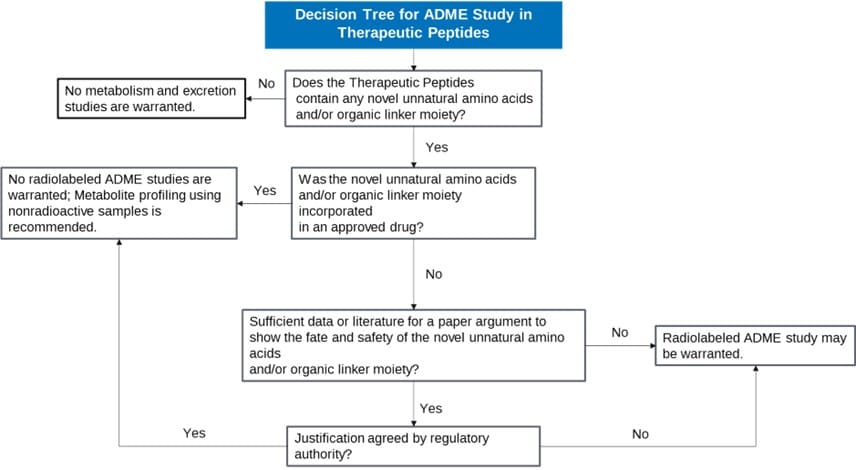
Figure 2. Industry recommendations for ADME studies of therapeutic peptides. Adapted from reference [1]
How to Select Radioisotopes and Labeling Sites for Radiolabeled Peptides in In Vivo ADME Studies
Radioactive tracer labeling is a widely used technique to study the in vivo ADME properties of small-molecule drugs, as well as drugs such as peptides, oligonucleotides, and ADCs. Similar to small molecules, peptides are commonly labeled with either 14C or 3H [3-6], with occasional application of other radioisotopes (e.g. 18F or 125I). Among the 37 peptide drugs approved by the FDA between 2011 and 2023, 17 drugs were labeled with 14C for in vivo ADME studies, 4 drugs were labeled with 3H, and 4 drugs were developed with the initial application of 3H labeling; before transitioning to 14C-labeled compounds, 1 drug was labeled with 125I, and 1 drug (diagnostic drug) was labeled with 18F, and other drugs were linear peptides containing only natural amino acids (TPepA) or had sufficient safety support data, meaning no radiolabeled ADME studies were conducted.
14C-labeling is a more prevalent choice than other radioisotopes [7]: 3H can be lost from the molecule due to hydrogen-tritium exchange [8], thus affecting the accuracy of the ADME study; 125I-labeling may alter the structure and composition of the molecule and ADME properties, particularly for small peptides.
Although 14C is a commonly used radioisotope, it has limitations compared to 3H labeling. The specific activity of 14C is much lower than that of 3H [7] , which can make detection of the 14C labeling difficult for low-dose drugs. The specific activity could be increased by introducing multiple 14C atoms to the same molecule. However, analytical challenges with 14C labeling persist for low-dose peptides with a large MW. The traditional radioactivity detection methods may lack the requisite sensitivity. To overcome this limitation, accelerator mass spectrometry can be used to analyze low radioactivity concentrations of 14C samples [9].
The selection of a radiolabeling site is critical and warrants careful deliberation. The radioisotope should be introduced in a position to monitor significant biotransformation pathways or to track the long-lived circulating metabolites. Prior to radiolabeled ADME studies, a qualitative metabolic profile for the therapeutic peptides from in vitro and in vivo nonradiolabeled metabolism studies can assist in determining the optimal labeling site [10].
Additionally, consideration must be given to the potential reincorporation of radiolabeled natural amino acids into the proteome of test species, which is unethical in the case of humans, and may potentially affect the total recovery of radioactivity in the excreta [2]. As a rule of thumb, xenobiotic moieties like novel unnatural amino acids and organic linkers with lipophilic side chains are preferred labeling positions over the natural amino acids within a peptide. In cases where multiple parts of a therapeutic peptide need to be monitored, efforts may be made to label a therapeutic peptide at two or more distinct positions.
Case Study: Radioactive Tracer Technique in the In Vivo ADME Study of Therapeutic Peptides
![[3H]-Semaglutide Structure](https://dmpkfiles.wuxiapptec.com/Public/Uploads/ueditor/upload/image/20260806/1786000961433589.jpg "[3H]-Semaglutide Structure")
Figure 3. [3H]-Semaglutide Structure
Semaglutide is a GLP-1 receptor agonist developed by Novo Nordisk for the treatment of type 2 diabetes. It has a MW of 4113.6 and uses radioisotope 3H. As shown in Figure 3, the labels are located at the α and β positions of the carbonyl group in the amide bond of the octadecanedioic acid group of the side chain of the semaglutide (two labeling positions in total) [11]. The investigators conducted separate radiolabeled ADME studies of 3H-labeled semaglutide in rats, monkeys, and humans using a liquid scintillation counter (LSC) to determine total radioactivity. The results showed that the recovery of total radioactivity in rats was 94%, much higher than 75% in humans and 58% in monkeys, as detailed in Table 3 [11]. The total radioactivity of rat carcasses accounted for 22%, which primarily explains why the total recovery in rats was higher than that in humans and monkeys. Lower recovery of total radioactivity in humans and monkeys presumably may be due to in vivo hydrogen-tritium exchange resulting in the loss of 3H from the molecule. It may also result from the hydrolysis of 3H-semaglutide to octadecanedioic acid, which enters into the body’s circulation. To improve the recovery of total radioactivity in human mass balance and reduce the effect of hydrogen-tritium exchange, a 14C-labeled compound for therapeutic peptides ADME studies is recommended, but there is still a need to comprehensively consider the administered dosage of therapeutic peptides, MW, and 14C-labeled radioactivity.
Table 3. Summary of radioactivity excretion recovery following subcutaneous administration of [3H]-semaglutide [11]
Species | Human (% of Dose [%CV]) n=7 | Rat (% of Dose [%CV]) n=3 | Monkey (% of Dose [%CV]) n=3 |
Dosage | 0.5 mg | 0.3 mg/kg | 0.03 mg/kg |
16.7 MBq | 10 MBq/kg | 14 MBq/kg | |
Collection time | 0 – 64 days | 0 – 1 week | 0 – 2 weeks |
Sex | M | M | M |
Urine | 53.0 (8.2) | 35.6 (27.7) | 30.3 (25.3) |
Feces | 18.6 (19.9) | 32.6 (9.7) | 20.7 (3.0) |
Expired air | 3.2 (9.0) | < 0.2 | NA |
Carcass | NA | 22.4 (27.0) | NA |
Cage bedding | NA | 3.7 (22.2) | 7.2 (28.4) |
Total excretion | 75.1 (5.2) | 72.1 (8.8) | 58.2 (10.2) |
Total recovery | 75.1 | 94.5 (0.5) | 58.2 |
Conclusion
In conclusion, radiolabeling technology provides a powerful tool for in vivo ADME studies of therapeutic peptides. In applications, it is necessary to select the appropriate isotope and labeling position based on the specific situation to ensure the accuracy and reliability of the study results. By leveraging techniques for radiolabeled peptides, invaluable ADME insights can be obtained, thereby advancing peptide drug development and therapeutic optimization.
Table 4. Summary of Metabolism and Excretion Studies of Therapeutic Peptides Approved by the FDA from 2011 to 2023[12]
Name | Molecular weight | Peptide category | In vitro metabolism matrix | In vivo metabolism and excretion studies | Mechanism of action/indication |
Boceprevir | 519.7 | TPepB | Mouse, rat, monkey, and human liver S9; human liver microsomes, liver cytosol, liver mitochondrial fraction, and plasma | Rat and human 14C-ADME study | A hepatitis C virus (HCV) NS3/4A protease inhibitor |
Icatibant | 1304.5 | TPepB | Dog liver microsomes and liver S9; human liver microsomes, liver S9, and hepatocytes | Mouse, rat, and dog 3H-ADME study | A potent and selective bradykinin B2 receptor and antagonist |
Telaprevir | 679.9 | TPepB | Rat, dog, monkey, and human liver microsomes and liver S9; human hepatocytes, skin microsomes, and skin S9 | Human 14C-ADME study | A hepatitis C virus (HCV) NS3/4A protease inhibitor |
Carfilzomib | 719.9 | TPepB | Rat and human hepatocytes, plasma, and plasma; human liver microsomes | Rat 3H-ADME study | A protease inhibitor for the treatment of relapsed and refractory multiple myeloma |
Linaclotide | 1526.7 | TPepA | Rodent and human intestinal contents; human intestinal fluid and microsomes | Excretion (nonradiolabeled) study in rats | A guanylate cyclase C (GC-C) agonist |
Pasireotide | 1047.2 | TPepC | Rat and human liver microsomes, hepatocytes, and kidney microsomes; monkey liver microsomes | 14C-ADME studies in rats, monkeys, and humans | A somatostatin analogue that is a second-generation analogue of somatostatin inhibitors |
Sinapultide | 2469.5 | TPepA | NS | NS | A peptide that mimics the function of human surfactant protein B (SP-B) |
Teduglutide | 3752.1 | TPepA | NS | NS | A GLP-2 analogue for the treatment of short bowel syndrome (SBS) |
Dalbavancin | 1816.7 | TPepC | Rat and dog liver microsomes, hepatocytes, and plasma; human liver microsomes and hepatocytes | 3H/14C-ADME studies in rats, New Zealand rabbits, and dogs; human (nonradiolabeled) ADME study | For the treatment of acute bacterial skin or skin structure infections (ABSSSI) caused by Gram-positive bacterial infections including MRSA (methicillin-resistant Staphylococcus aureus) |
Ombitasvir | 894.1 | TPepB | Rat, dog, monkey, and human liver microsomes and hepatocytes; recombinant enzymes | 14C-ADME studies in mice, rats, dogs, and humans | Treatment of patients with chronic hepatitis C virus (HCV) genotype 1 infection, often in combination |
Oritavancin | 1793.1 | TPepC | Monkey and human liver microsomes | 14C-ADME studies in mice, rats, and dogs; human excretion (nonradiolabeled) studies in urine and feces | A lipopeptide antibacterial used to treat acute bacterial skin and skin structure infections (ABSSSI) caused by certain susceptible bacteria |
Paritaprevir | 765.9 | TPepC | Rat, dog, monkey, and human liver microsomes and hepatocytes | Dog and human 14C-ADME study | Treatment of patients with chronic hepatitis C virus (HCV) genotype 1 infection, often in combination |
Grazoprevir | 766.9 | TPepC | Mouse liver microsomes; rat, rabbit, dog, and human liver microsomes and hepatocytes | Rat, rabbit, dog, and human 3H- or 14C-ADME studies | An NS3/4A protease inhibitor, an oral hepatitis C drug, often in combination |
Lixisenatide | 4858.6 | TPepA | Mouse, rat, dog, and human liver S9 and plasma | 3H/14C-ADME study in rats; excretion in milk (radiolabeled) study | A GLP-1 receptor agonist for use in adults with type 2 diabetes |
Abaloparatide | 3960.7 | TPepB | Rat and human kidney and liver homogenates; chymotrypsin and cathepsin B | Rat 125I-ADME study | A parathyroid hormone-related peptide [PTHrP (1-34)] analog used in the treatment of postmenopausal women with osteoporosis |
Angiotensin II | 1046.2 | TPepA | NS | NS | A vasoconstrictor that is the major bioactive peptide of the renin/angiotensin system |
Etelcalcetide | 1048.3 | TPepB | Rat and human liver microsomes, liver S9, liver cytosol, hepatocytes, kidney S9, and liver cytosol; dog liver microsomes, liver S9, and liver cytosol | Rat and human 14C-ADME study | A calcimimetic used in the treatment of secondary hyperparathyroidism in adult hemodialysis patients |
Macimorelin | 474.6 | TPepB | Mouse liver microsomes; rat and dog liver microsomes and plasma; human liver microsomes, liver S9, and plasma | NS | An oral ghrelin agonist |
Plecanatide | 1681.9 | TPepA | Intestinal fluid from rats and humans | Rat 14C-ADME study | An orally administered guanylate cyclase C (GC-C) receptor agonist |
Semaglutide | 4113.6 | TPepB | Mouse hepatocytes; rat, monkey, and human hepatocytes and plasma | Rat, monkey, and human 3H-ADME studies | A GLP-1 receptor agonist for glycemic control in adults with type 2 diabetes mellitus |
Voxilaprevir | 868.9 | TPepC | NS | Rat, dog, and human 14C-ADME studies | A noncovalent, reversible HCV NS3/4A protease inhibitor |
Afamelanotide | 1646.8 | TPepB | NS | NS | A melanin 1 receptor (MC1-R) agonist for erythropoietic porphyria (orphan drug) |
Bremelanotide | 1025.2 | TPepC | Rat, dog, and monkey liver S9; mouse, rat, rabbit, and dog hepatocytes; human liver microsomes, liver S9, hepatocytes, and plasma | Monkey and human 14C-ADME Study | A melanocortin receptor-4 (MC4R) agonist for acquired generalized loss of libido in premenopausal women |
Setmelanotide | 1117.3 | TPepB | Rat, monkey, and human liver microsomes, hepatocytes, and kidney microsomes; human dermal fibroblast cell line (Hs68) | 14C-ADME study in rats; excretion (nonradiolabeled) urine study in humans | A melanocortin receptor-4 (MC4R) agonist for chronic weight management in MC4R pathway impairment |
Dasiglucagon | 3381.6 | TPepB | Mouse, rat, rabbit, dog, and human hepatocytes; rat, dog, and human serum and plasma | Rat and dog plasma metabolism (nonradiolabeled) studies | Glucagon analog for the treatment of severe hypoglycemia in pediatric and adult diabetic patients 6 years of age and older |
Difelikefalin | 679.8 | TPepB | Rat, dog, monkey, and human hepatocytes (nonradiolabeled); rat, monkey, and human hepatocytes, intestine S9, and kidney S9 (3H-radiolabeled); rat, monkey, and human hepatocytes (14C-radiolabeled) | Monkey, rat 14C-excretion study; Rat milk excretion study (nonradiolabeled); 14C-ADME in healthy volunteers and hemodialysis patients | A K-chain opioid receptor agonist for the treatment of moderate to severe pruritus associated with chronic kidney disease in adults |
Odevixibat | 740.9 | TPepB | Mouse, rat, dog, and human hepatocytes (nonradiolabeled and 14C-radiolabeled) | Rat 14C-excretion study and milk excretion study (nonradiolabeled); human 14C-radiolabeled ADME | An ileal bile acid transporter (IBAT) inhibitor for the treatment of pruritus in patients with progressive familial cholestasis (PFIC) for 3 months and beyond |
Voclosporin | 1214.6 | TPepC | Mouse, rat, rabbit, dog, monkey, and human liver microsomes | Rat, dog, monkey, and human metabolism (nonradiolabeled) studies; Mice, rat, and human 3H/14C-ADME study | For the treatment of active lupus nephritis in adults |
Vosoritide | 4102.8 | TPepA | Neprilysin | NS | For the treatment of pediatric patients with achondroplasia starting at 2 years of age until the growth plate is closed |
Terlipressin | 1227.4 | TPepA | NS, literature references | NS | For improvement of renal function in adult patients with hepatorenal syndrome with rapidly declining renal function |
Tirzepatide | 4813.5 | TPepB | NS | 14C-ADME studies in rats, monkeys, and humans | GIP and GLP-1 Receptor Agonists for the Control of Type 2 Diabetes in Adults |
Trofinetide | 315.3 | TPepB | Rat, dog, and human plasma; rat, dog, and human liver microsomes; recombinant human cytochrome P450 isoenzymes | Rat, human 14C-ADME study | Drugs approved for the treatment of Reiter’s syndrome (Orphan drugs) |
Rezafungin | 1226.4 | TPepB | Rat, monkey, and human liver microsomes; rat, dog, monkey, and human hepatocytes | 14C-ADME studies in rats, monkeys, and humans | Treatment of adult candidemia and invasive candidiasis (Orphan drug) |
Paxlovid | 499.5/720.9 | TPepB | Rat, monkey, human liver microsomes and hepatocytes; | Human (nonradiolabeled) ADME study, 19F NMR ADME study | Treatment of adult patients with mild to moderate novel coronavirus pneumonia at high risk for progression to severe disease (COVID-19). |
(Nirmatrelvir/Ritonavir) | |||||
Flotufolastat F 18 | 1470.6 | TPepB | NS | Human 18F-ADME study | Radioactive targeted contrast agents for PET imaging of PSMA-positive lesions in men with prostate cancer |
Motixafortide | 2159.5 | TPepC | Human liver microsome | Dog, human (nonradiolabeled) ADME studies; rat and dog 14C-ADME studies | Chemokine receptor CXCR4 antagonist, in combination, mobilizes hematopoietic stem cells to peripheral blood |
Zilucoplan | 3562.2 | TPepC | NS | Human (nonradiolabeled) ADME study | Generalized myasthenia gravis (gMG) targeted C5 complement inhibitor |
Authors: Jia Xue, Peng Li, Lian Guo, Weiqun Cao, Lingling Zhang
Talk to a WuXi AppTec expert today to get the support you need to achieve your drug development goals.
Committed to accelerating drug discovery and development, we offer a full range of discovery screening, preclinical development, clinical drug metabolism, and pharmacokinetic (DMPK) platforms and services. With research facilities in the United States (New Jersey) and China (Shanghai, Suzhou, Nanjing, and Nantong), 1,000+ scientists, and over fifteen years of experience in Investigational New Drug (IND) application, our DMPK team at WuXi AppTec are serving 1,600+ global clients, and have successfully supported 1,800+ IND applications.
Reference
[1] He, M.M., Zhu, S.X., Cannon, J.R. et al. (2023). Metabolism and excretion of therapeutic peptides: current industry practices, perspectives, and recommendations. Drug Metabolism and Disposition 51 (11): 1436-1450.
[2] International Council for Harmonisation of Technical Requirements for Pharmaceuticals for Human Use (2011). S6 (R1) Preclinical Safety Evaluation of Biotechnology ‐ Derived Pharmaceuticals. London, UK: ICH (International Council for Harmonisation of Technical Requirements for Pharmaceuticals for Human Use).
[3] Subramanian, R., Zhu, X., Kerr, S.J. et al. (2016). Nonclinical pharmacokinetics, disposition, and drug-drug interaction potential of a novel d-amino acid peptide agonist of the calcium-sensing receptor AMG 416 (etelcalcetide). Drug Metabolism and Disposition 44 (8): 1319-1331.
[4] Jensen, L., Helleberg, H., Roffel, A.D. et al. (2017). Absorption, metabolism, and excretion of the GLP-1 analogue semaglutide in humans and nonclinical species. European Journal of Pharmaceutical Sciences 104: 31-41.
[5] Lee, S. and Lee, D.Y. (2017). Glucagon-like peptide-1 and glucagon-like peptide-1 receptor agonists in the treatment of type 2 diabetes. Annals of Pediatric Endocrinology & Metabolism 22 (1): 15.
[6] Subramanian, R., Zhu, X., Hock, M.B. et al. (2017). Pharmacokinetics, biotransformation, and excretion of [14 C] etelcalcetide (AMG 416) following a single microtracer intravenous dose in patients with chronic kidney disease on hemodialysis. Clinical Pharmacokinetics 56: 179-192.
[7] Dell 'isola, A., Brown, R.T., Jones, S. et al. (2019). Synthesis of carbon ‐ 14 – labelled peptides. Journal of Labelled Compounds and Radiopharmaceuticals 62 (11): 713-717.
[8] Knadler, M.P., Ackermann, B.L., Coutant, J.E. et al. (1992). Metabolism of the anticoagulant peptide, MDL 28, 050, in rats. Drug metabolism and disposition 20 (1): 89-95.
[9] Fifield, L.K. (1999). Accelerator mass spectrometry and its applications. Reports on Progress in Physics 62 (8): 1223.
[10] Knadler, M.P., Ackermann, B.L., Coutant, J.E. et al. (1992). Metabolism of the anticoagulant peptide, MDL 28, 050, in rats. Drug metabolism and disposition 20 (1): 89-95.
[11] Jensen, L., Helleberg, H., Roffel, A.D. et al. (2017). Absorption, metabolism and excretion of the GLP-1 analogue semaglutide in humans and nonclinical species. European Journal of Pharmaceutical Sciences 104: 31-41.
[12] Liang Shen, editor. Drug Metabolism and Pharmacokinetics: Frontiers, Strategies, and Applications. Wiley. 2025. http://doi.org/10.1002/9781394300150.


Related Services and Platforms


-
 Radiolabeled In Vivo ADME StudyLearn More
-
Novel Drug Modalities DMPK Enabling PlatformsLearn More
-
Radiolabeled In vitro ADME StudiesLearn More
-
Radiolabeled MetID (Metabolite Profiling and Identification)Learn More
-
Radiolabeled Non-Clinical In Vivo ADME StudyLearn More
-
Quantitative Whole-body Autoradiography (QWBA)Learn More
-
Human Radiolabeled Mass Balance StudyLearn More
-
Radiolabeled Compound SynthesisLearn More
-
PROTAC DMPK ServicesLearn More
-
ADC DMPK ServicesLearn More
-
Antibody-Oligonucleotide Conjugate (AOC) DMPK ServicesLearn More
-
Oligo DMPK ServicesLearn More
-
PDC DMPK ServicesLearn More
-
Peptide DMPK ServicesLearn More
-
mRNA DMPK ServicesLearn More
-
Covalent Drugs DMPK ServicesLearn More







Stay Connected
Keep up with the latest news and insights.

