



Optimizing Oral Formulation for Peptides and Novel Molecules: Breaking the Delivery Dilemma
-

Articles
-

May 28, 2026
As the clinical application of macromolecular drugs such as proteins, peptides, antibodies, and nucleic acids expands, injection remains the preferred route because it circumvents first-pass metabolism and gastrointestinal instability, which facilitates accurate prediction of drug exposure and efficacy [1,2].
However, the growing demand for chronic disease management and the ongoing challenges related to patient compliance are driving the industry toward innovative alternatives. Developing non-parenteral routes, such as oral formulation, intranasal delivery, and transdermal patches, has become a key focus area for enhancing medication convenience and accessibility [1].
For macromolecules like peptides and oligonucleotides, developing an effective oral formulation means overcoming two significant challenges [1,2]:
Maintaining structural integrity and activity in the hostile gastrointestinal (GI) environment (stability).
Achieving sufficient systemic exposure by traversing mucosal barriers (permeability and absorption efficiency).
This article focuses on oral formulation strategies, systematically analyzing three core approaches (permeation enhancers, stabilization techniques and nanocarriers). It also examines the research and development rationale using commercially available peptide products (Rybelsus® and Mycapssa®) as case studies [1,2].
Overview of Challenges in Developing an Oral Formulation of Macromolecular Drugs
Orally administered macromolecules typically face three major barriers and significant variability. The challenges include the following:
Three Types of Barriers:
Chemical barrier (The pH-driven instability): The low pH in the stomach (typically around 1–3) and changes in ionic strength can trigger conformational changes, aggregation, or chemical degradation of proteins and peptides. Upon entering the small intestine, the rise in pH may cause some molecules to approach their isoelectric point, resulting in reduced solubility or precipitation. This diminishes the absorbable fraction of the drug [1,2].
Enzymatic barrier (Ubiquitous "molecular scissors"): Peptide bonds can be rapidly cleaved by gastric proteases and intestinal trypsin/chymotrypsin. Even after surviving the intestinal lumen, the oral formulation may encounter further degradation by brush border enzymes or intracellular lysosomes [1,2].
Physical barrier (the mucus-epithelium Barrier): The mucus layer is continually renewed, and serves to filter and clear substance. Tight junctions in the intestinal epithelium restrict paracellular pathways. Meanwhile, unlike small molecules, the high hydrophilicity and large molecular weight of macromolecules make effective absorption via passive diffusion highly challenging for any oral formulation [1,2].
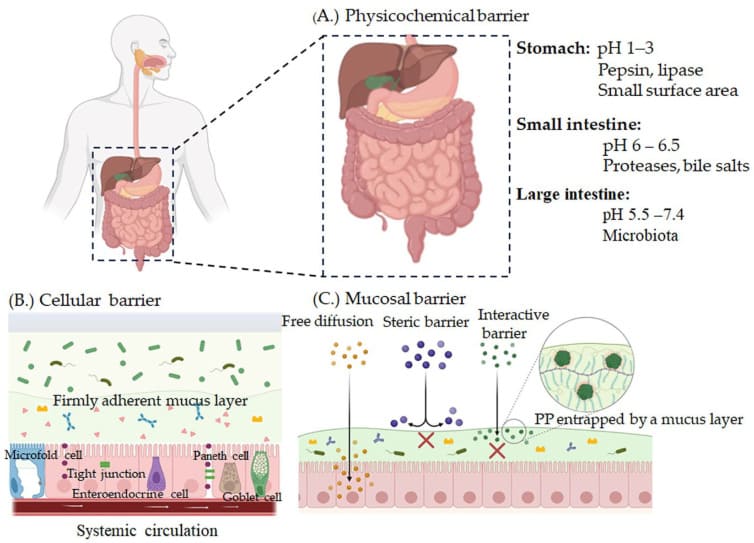
Figure 1. Obstacles in developing an oral formulation for large molecule drugs [1]
Two Sources of Variability: The two sources of variability are particularly critical to clinical developability. The first is variability in dosing conditions caused by food intake, gastric emptying, and intestinal motility. The second is physiological variability related to mucosal status, inflammation, intestinal secretion, and interindividual differences. For oral macromolecular drugs, these two types of variability often lead to highly variable systemic exposure and difficulties in maintaining consistent efficacy [1,2].
One Core Logic:The core logic behind macromolecular oral formulation strategies is to ensure "release and absorption at the appropriate site, within the correct microenvironment, and during a controllable timeframe." This explains why the R&D of macromolecules often requires an integrated strategy of "protection-localization-enhancement-validation". Meeting the criteria for stability, local effective concentration, and transmembrane transport is absolutely necessary to achieve reproducible and scalable in vivo exposure [1].
How to Choose Permeation Enhancers (PEs)
The primary objective of incorporating permeation enhancers (PEs) into oral formulations is to temporarily enhance mucosal permeability. By ensuring localized, temporally controlled, and reversible actions, PEs allow macromolecular drugs to cross tissue barriers within a limited time frame. The mechanisms of PEs are generally categorized as paracellular (increasing paracellular permeability by opening tight junctions), transcellular (enhancing membrane permeability through membrane perturbation), or a combination of both [1-3].
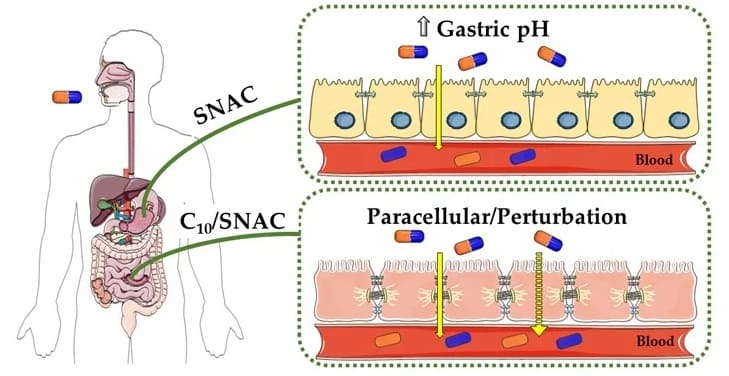
Figure 2. Mechanism of action for PEs in an oral formulation [3]
Common PEs typically include:
Medium-chain fatty acids/salts (e.g., sodium caprylate (C8), sodium caprate (C10))
Salts of N-acylamino acids (e.g., Sodium N-(8-[2-hydroxybenzoyl] amino) caprylate (SNAC, also known as Salcaprozate sodium))
Bile salts/surfactants (e.g., sodium taurodeoxycholate, sodium lauryl sulfate)
Chelators (e.g., EDTA)
Chitosan derivatives (e.g., chitosan-glutathione conjugates)
The dosages and absorption enhancement effects observed in animal models and clinical trials are summarized in the following table [2,4,5,6]:
Table 1. Doses and absorption enhancement effects of PEs in animal models
Absorption Enhancer | Co-administered Drug | Species | Common Dose Range | Absorption Enhancement Effect | Mechanism of Action |
SNAC | Daptomycin/ Semaglutide | Rat/Human | 100–1000 mg/kg | 5–7-fold increase in AUC in rats; 0.4–1% BA in humans | pH modulation of microenvironment and transient increase in cell membrane permeability |
C8 | Octreotide | Rat/Monkey/Human | 200–400 mg/kg | 3–6-fold increase in AUC in rats; 0.7% BA in Mycapssa | Enhancing epithelial permeability through membrane perturbation and partially affecting tight junctions |
C10 | ASO/Insulin | Mouse/Rat/Monkey/Human | 200–400 mg/kg | 1.1–2.8% BA in monkeys | Primarily reversible opening of tight junctions with increased membrane permeability |
EDTA | Insulin | Rat | 30–100 mg/kg | BA <0.1% in blank group; increased to 0.4–0.8% with EDTA | Chelates calcium ions to temporarily relax tight junctions |
Sodium deoxycholate (SDC) | FD4 (4 kDa Dextran) | Mouse | 200 mg/kg | 5-fold increase in AUC (gavage + continuous dosing) | Perturbs cell membranes to increase mucosal permeability |
Chitosan | Insulin | Mouse | 150–250 mg/kg | BA increased from <0.2% to 0.8–1.5% | Mucosal adhesion with reversible modulation of tight junctions to enhance paracellular absorption |
Rybelsus® vs. Mycapssa®: A comparison of Oral Peptide Formulations
Case 1: Rybelsus® (Oral Semaglutide)—Achieving a "Gastric Absorption Window" with SNAC
Rybelsus® is an oral peptide formulation of semaglutide tablets. The FDA approved it in 2019 for adults with type 2 diabetes to improve blood glucose control alongside diet and exercise.
The successful development of this semaglutide oral formulation is primarily attributed to two major technological advances. The first involves chemical modifications of the macromolecule itself, such as acylation and amino acid substitutions. The second pertains to the use of the excipient SNAC, which improves the oral formulation absorption. SNAC is a synthetic N-acylated amino acid derivative of salicylic acid, initially used as a critical excipient in oral vitamin B12 products. Unlike its application in previous oral formulations, in Rybelsus®, SNAC functions through a localized mechanism within the stomach. Upon tablet disintegration, SNAC temporarily increases the local pH at the gastric mucosal surface. This buffering environment protects semaglutide from degradation by gastric proteases, enhances its solubility, and promotes its monomeric state. Simultaneously, SNAC facilitates the transcellular absorption of semaglutide across the gastric epithelium [7,8]. According to Novo Nordisk, these permeation enhancer mechanisms of SNAC are specifically tailored for semaglutide [7].
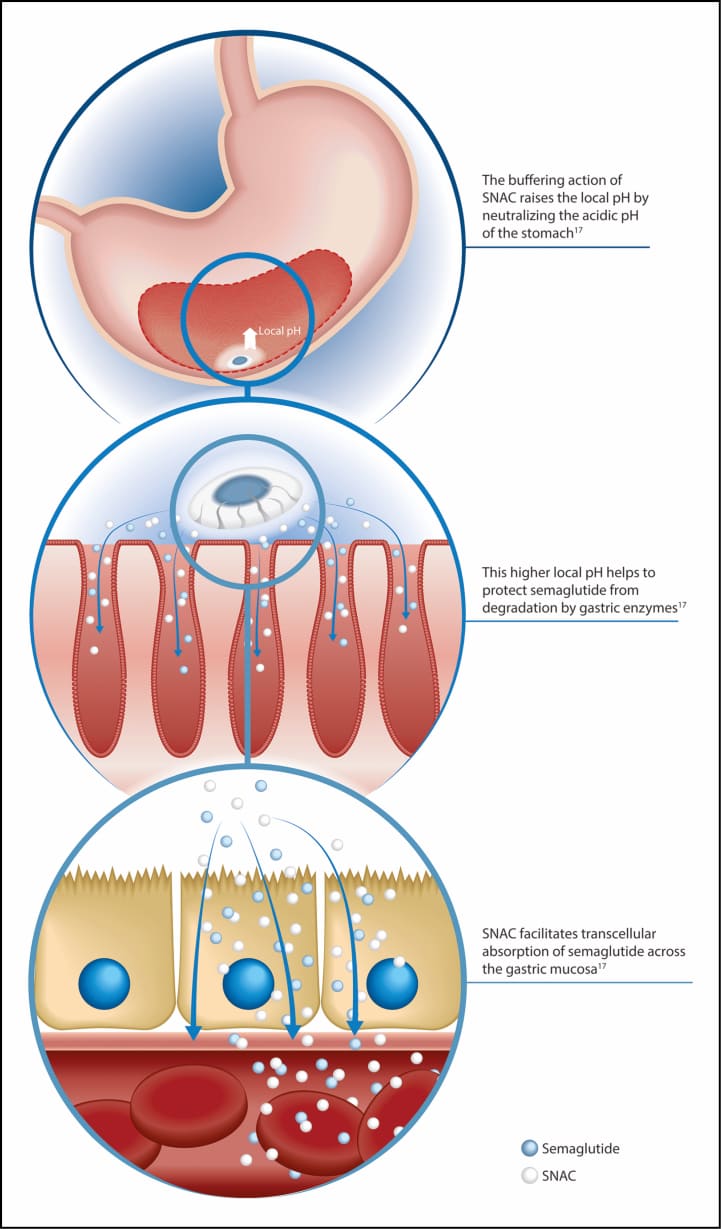
Figure 3. Mechanism diagram of SNAC promoting semaglutide absorption in the stomach [8]
Case 2: Mycapssa® (Oral Octreotide)—Achieving "Intestinal Promotion of Absorption" with TPE Platform
Mycapssa® is an oral peptide formulation utilizing delayed-release capsules of the peptide octreotide. It was approved by the FDA in 2020 for long-term maintenance therapy in acromegaly patients who previously responded to and tolerated treatment with octreotide or lanreotide.
This product utilizes Transient Permeability Enhancer (TPE®) technology, initially developed by Chiasma Pharmaceuticals. The key component of this technology is C8 (sodium caprylate), which provides temporary and reversible permeation enhancement by inducing the reorganization of tight junction (TJ) proteins, such as ZO-1 and claudins. This mechanism facilitates a transient increase in small intestinal epithelial permeability via the paracellular route, thereby enhancing the absorption of octreotide into systemic circulation.
Unlike Rybelsus®, which primarily leverages gastric absorption, Mycapssa® is designed for intestinal absorption, utilizing an enteric coating to release the drug and permeation enhancer in the small intestine [7,9].
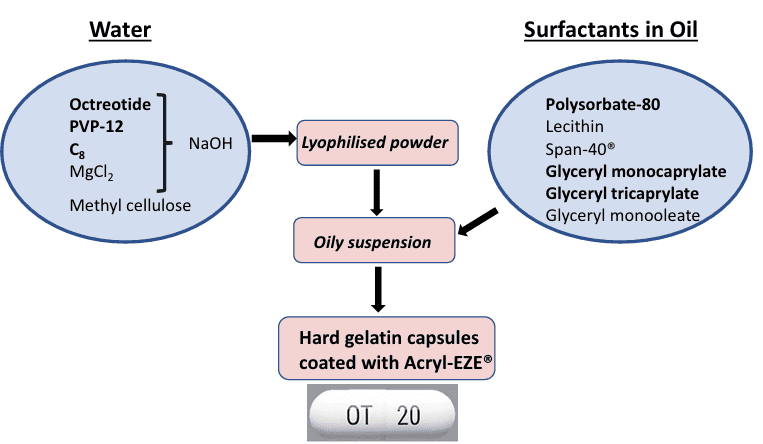
Figure 4. TPE technology promoting octreotide absorption in the intestine [9]
Permeation Enhancer Strategies: Personalized Rather than Platform Approaches
It is crucial to recognize that the efficacy of PEs is highly molecule-dependent, making it difficult to establish a universal formulation strategy for all macromolecules. For example, studies comparing the effects of SNAC on different peptide molecules revealed that for octreotide—a relatively small, linear peptide, the localized buffering environment created by SNAC helps maintain its monomeric state for transmembrane diffusion. However, for more complex cyclic peptides prone to aggregation (e.g., lanreotide and pasireotide), achieving significant absorption enhancement with SNAC alone remains challenging.
This molecule-specific efficacy underscores why current oral formulations are better regarded as personalized strategies, requiring optimization based on the unique physicochemical characteristics of each macromolecule. Nevertheless, as the understanding of absorption mechanisms deepens and new PEs emerge such as multi-functional excipient combinations—these approaches are expected to enable effective absorption enhancement for a broader range of macromolecules [2].
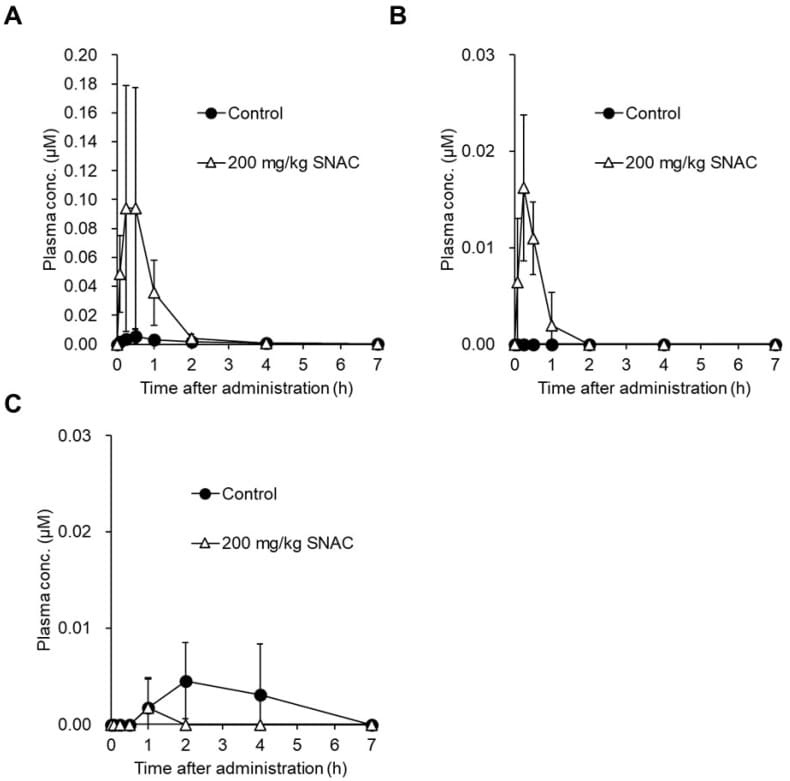
Figure 5. Impact of SNAC combination in an oral formulation on the absorption of three peptide drugs: octreotide (A, molecular weight 1019), lanreotide (B, molecular weight 1096), and pasireotide (C, molecular weight 1047) evaluating rat in vivo PK [2]
Consequently, the R&D focus for PEs in oral formulations has shifted: moving beyond merely "increasing permeation intensity" towards "constructing verifiable, localized microenvironmental conditions within established safety margins."
This integrated approach requires optimization across multiple parameters:
Permeation Components: Selecting and tailoring PEs for specific mechanisms (paracellular/transcellular).
Microenvironment Control: Precise pH regulation and buffering capacity at the target site.
Drug State Management: Ensuring dissolution and preventing aggregation/denaturation.
Site & Condition Synchronization: Harmonizing drug release kinetics with physiological conditions (e.g., gastric emptying, motility).
Crucially, developing truly viable formulations demands integrated in vitro and in vivo verification to identify PE combinations that are both effective and developable
Drug Stability Strategies
While the use of PEs addresses "how to facilitate macromolecular drug passage across barriers," ensuring drug stability in an oral formulation focuses on how to prevent premature degradation before the drug reaches the absorption site. These strategies prioritize localized release and preservation of molecular integrity [1,3].
1. Enteric Coating and Delayed Release: Enteric coatings leverage pH-responsive polymers to protect oral formulations in the stomach. The tablet remains intact at low gastric pH but dissolves upon entering the higher-pH small intestine, releasing its payload. Common methacrylic acid copolymers (e.g., EUDRAGIT® L and S series) enable site-specific release at distinct pH thresholds (e.g., duodenum vs. ileum) [10]. Their value lies not only in acid resistance but also in precise release localization, providing adjustable spatial and temporal windows for subsequent absorption promotion and local concentration establishment.
2. Localized Enzyme Inhibition and Microenvironment Regulation: Excipients co-administered with the drug can:
Inhibit enzymatic degradation (e.g., protease inhibitors).
Mitigate drug aggregation.
Improve local solubility.
By extending the drug’s functional lifespan in the GI tract, these excipients effectively widen the absorption window.
Safety Considerations: Systemic enzyme inhibitors or pH modifiers carry risks (e.g., mucosal irritation, nutrient malabsorption). Thus, strategies prioritize moderate, localized inhibition/modulation, often integrated with enteric coatings and permeation enhancers for synergistic effects [1,2,4]. Their application dosages and effects in preclinical trials are summarized below [4]:
Table 2. Doses and experimental effects of common enzyme inhibitors and modulators
Inhibitor/Regulator | Co-administered Drug | Common Dose Range | Type | Experimental Results | Mechanism of Action |
Aprotinin | Insulin/GLP-1 analogs | 5–10 mg/kg | Trypsin inhibitor | In animal models, can enhance peptide stability and absorption by about 2–4 times | Inhibits intestinal serine proteases, reducing early degradation post-administration |
Soybean Trypsin Inhibitor (STI) | Leuprolide/Insulin | ~50 mg/kg | Plant-derived trypsin inhibitor | Reduces enzyme degradation and increases local stability; better suited as a combination strategy component | Inhibits trypsin activity, improving peptide stability in the intestinal lumen |
Camostat mesylate | GLP-1 similar/Insulin | 10–50 mg/kg | Serine protease inhibitor | In intestinal drug studies, it can reduce enzyme degradation, but generally limited efficacy alone; often used with other strategies | Inhibits intestinal serine proteases to decrease local hydrolysis rates |
Bacitracin | Low molecular peptide/Insulin | 25–100 mg/kg | Non-specific peptidase inhibitor | Can enhance drug stability; some studies suggest it may also offer additional absorption enhancement | Primarily protease inhibition, potentially with some membrane/translocation promotion |
Citric acid | Salmon calcitonin/Insulin/Peptide | 20–100 mg/kg | Microenvironment pH regulator / weak calcium chelator | Lowers local pH and inhibits some intestinal protease activity, thereby improving peptide stability; however, weak permeation promotion alone; typically needs to be used with enteric localized or permeation promotion strategies | Primarily local acidification of the microenvironment to lower protease activity; may also have weak calcium chelation effects in some cases |
3. Pre-made Functional Capsules: Streamlining Preclinical Validation
Functional pre-made capsules significantly enhance formulation screening efficiency and data comparability in preclinical development. For example, Evonik's EUDRACAP® Preclinic enteric capsules—specifically designed for in vivo rodent studies—provide reliable gastric resistance and minimal premature drug release in the upper GI tract. This reduces the variability inherent in laboratory-prepared enteric coatings, thereby enhancing the comparability and consistency of experimental results [11]. Corresponding in vitro comparative studies have also indicated that these novel enteric capsules possess reliable protective capabilities in acidic media to ensure drug stability, facilitating rapid prototyping for "rapid prototyping and rapid iteration" in macromolecular oral formulation research [12].
Insights into Nanocarrier Strategies for an Oral Formulation
Nanocarrier strategies employ encapsulation macromolecules into nano-sized systems (such as polymer nanoparticles, solid lipid nanoparticles, nanoemulsions, or liposomes). These systems offer three synergistic mechanisms: protection (against acid, enzymes, and aggregation), mucosal interactions (adhesion or mucus penetration), and trans-epithelial transport (cellular uptake, transcytosis, and traversing M cells) [13,14].
Nanoparticle formulations enable superior modularity compared to single permeation enhancers. By engineering surface charge, hydrophilicity, and particle size, formulators can strike a balance between "adhesion/retention" and "mucus penetration/diffusion", while also exploring more predictable tissue distribution and local exposure strategies [13].
Nonetheless, translating a nanoparticle oral formulation from bench to clinic still faces typical hurdles: dynamic changes in the gastrointestinal environment, food effects, individual variability, batch-to-batch consistency, long-term safety considerations, and regulatory acceptance of quality control and in vitro-in vivo correlation models [13].
However, recent research into "oral LNPs" for nucleic acid drugs has sent positive signals to the industry. Recent studies demonstrate that a stabilized LNP oral formulation can successfully deliver siRNA or mRNA, with observable in vivo effects in animal models [15]. This further corroborates the substantial potential of nanocarrier strategies for macromolecular therapeutics.
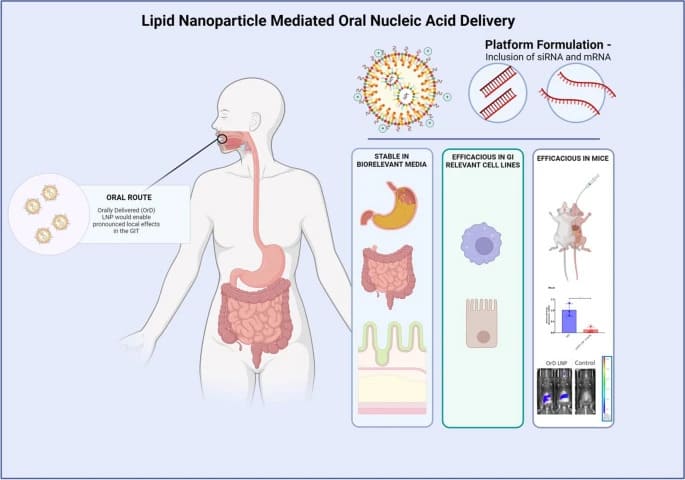
Figure 6. Stabilized lipid nanoparticle oral formulation for nucleic acid therapeutics [15]
Evaluating In Vivo and In Vitro Oral Formulation Screening: Transforming "Deliverable" into "Developable"
Key development decisions for non-parenteral macromolecular drugs often arise when an oral formulation demonstrates efficacy but exhibits unacceptable exposure variability or unclear safety boundaries. At this juncture, integrated analysis of in vivo and in vitro data becomes essential:
Biological & Pharmacokinetic Studies: Quantify systemic exposure, fluctuation magnitude, and food effects (in vivo relevance).
Mechanistic In Vitro Models: Identify barrier-specific loss mechanisms (e.g., luminal degradation, poor permeation) and validate formulation optimizations.
This dual approach establishes mechanistic causality between formulation properties and performance, enabling targeted adjustments that yield reproducible exposure benefits within defined safety margins [3,8].
Integrated Assessment Pathway for Oral Macromolecule Development (Exemplar Workflow) WuXi AppTec DMPK employs a tiered assessment strategy comprising:
1. Molecular Stability Profiling: Screening macromolecular candidates under simulated GI conditions (pH gradients, proteases)
2. Barrier Permeation Modeling: In vitro evaluation using Caco-2 monolayers or Ussing chambers
3. Preclinical Pharmacokinetics:
Exposure variability quantification in key species
Food effect assessment (AUCfasted vs. AUCfed)
Exposure-efficacy/biomarker correlation
4. Lead Optimization:
Selection of PEs demonstrating significant permeability enhancement
In vivo validation using formulation matrices dosed within established safety thresholds
This is followed by selecting appropriate preclinical vehicles for in vivo animal experiments based on the safety doses of the chosen PEs.
In terms of monitoring metrics for an oral formulation, beyond standard AUC, Cmax, and Tmax, greater attention should be paid to inter-batch and individual variability, food effects, daily fluctuations post-steady state, and exposure-response relationships. For complex delivery systems, comprehensive tissue monitoring prevents scenarios where localized target engagement coincides with undesirable systemic consequences—particularly immunogenic reactions to nanocarriers or excipients[13,14].
Conclusion and Future Perspectives
The landscape of non-parenteral macromolecule delivery is being transformed by rapid convergence of three critical innovations:
Advanced Permeation Enhancers (e.g., SNAC/TPE) enabling targeted barrier modulation
Intelligent Protection Systems (enteric coatings, microenvironment control)
Engineered Nanocarriers with programmable mucosal interactions
These synergistic advances are achieving clinical milestones previously thought unattainable for oral macromolecules—signaling an imminent paradigm shift away from injection dependency.
Looking forward, combination strategies will dominate next-generation oral formulations. Integrating enteric coatings, localized enzyme inhibitors, and permeation enhancers into a single triple-barrier strategy represents a promising path to overcome sequential GI challenges. Concurrently, engineered nanoparticle carriers—particularly those enabling mucus penetration or mucosal-targeted delivery—offer complementary bioavailability enhancement through programmable transport mechanisms.
Beyond oral delivery, alternative non-invasive routes (e.g., nasal, pulmonary) and minimally invasive systems (e.g., microneedle patches) are actively complementing oral R&D, collectively expanding the therapeutic landscape for macromolecules.
The future is promising for expanding the range of delivery methods for macromolecular drugs. Overall, innovations in macromolecular non-parenteral formulation design will continue to focus on enhancing stability, improving absorption rates, and maximizing patient compliance, thereby expanding the clinical utility for biopharmaceuticals.
Authors: Xinyue Wang, Lijin Zheng, Quanli Feng, Cheng Tang
Talk to a WuXi AppTec expert today to get the support you need to achieve your drug development goals.
Committed to accelerating drug discovery and development, we offer a full range of discovery screening, preclinical development, clinical drug metabolism, and pharmacokinetic (DMPK) platforms and services. With research facilities in the United States (New Jersey) and China (Shanghai, Suzhou, Nanjing, and Nantong), 1,000+ scientists, and over fifteen years of experience in Investigational New Drug (IND) application, our DMPK team at WuXi AppTec are serving 1,600+ global clients, and have successfully supported 1,800+ IND applications.
Reference
[1] Baral, K. C., & Choi, K. Y. (2025). Barriers and strategies for oral peptide and protein therapeutics delivery: Update on clinical advances. Pharmaceutics, 17(4), 397. doi:10.3390/pharmaceutics17040397.
[2] Asano, D., Muranishi, S., & Yamashita, S. (2023). Oral absorption of middle-to-large molecules and its improvement with a focus on new modality drugs. Pharmaceutics, 16(1), 47. doi:10.3390/pharmaceutics16010047.
[3] Twarog, C., Fattah, S., Heade, J., Maher, S., Fattal, E., & Brayden, D. J. (2019). Intestinal permeation enhancers for oral delivery of macromolecules: a comparison between salcaprozate sodium (SNAC) and sodium caprate (C10). Pharmaceutics, 11(2), 78.
[4] Khan Ghilzai, N. M. (2006). Oral insulin delivery strategies using: Absorption promoters, absorption enhancers, and protease inhibitors. Pharmaceutical Technology (2003), 30(4).
[5] Fein, K. C., Gleeson, J. P., Cochran, K., Lamson, N. G., Doerfler, R., Melamed, J. R., & Whitehead, K. A. (2023). Long-term daily oral administration of intestinal permeation enhancers is safe and effective in mice. Bioengineering & Translational Medicine, 8(1), e10342.
[6] Thanou, M., Verhoef, J. C., & Junginger, H. E. (2001). Oral drug absorption enhancement by chitosan and its derivatives. Advanced Drug Delivery Reviews, 52(2), 117-126.
[7] Kim, J. C., Park, E. J., & Na, D. H. (2022). Gastrointestinal permeation enhancers for the development of oral peptide pharmaceuticals. Pharmaceuticals, 15(12), 1585.
[8] Kane, M. P., Triplitt, C. L., & Solis-Herrera, C. D. (2021). Management of type 2 diabetes with oral semaglutide: Practical guidance for pharmacists. American Journal of Health-System Pharmacy, 78(7), 556-567.
[9] Brayden, D. J., & Maher, S. (2021). Transient Permeation Enhancer® (TPE®) technology for oral delivery of octreotide: a technological evaluation. Expert Opinion on Drug Delivery, 18(10), 1501-1512.
[10] Evonik Operations GmbH. (2024). Product portfolio overview: EUDRAGIT® and EUDRACAP®.
[11] Evonik Operations GmbH. (n.d.). EUDRACAP® preclinic enteric.
[12] Urich, J. A. A., Paudel, A., Van den Mooter, G., & Sandler, N. (2023). Evidence of reliable gastro-resistance of novel enteric ready-to-fill capsules simplifying pharmaceutical manufacturing. Pharmaceutics, 15(11), 2716.
[13] Wang, D., Miller, J. M., & Sahay, G. (2023). Nanocarriers transport across the gastrointestinal barriers. Advanced Drug Delivery Reviews.
[14] Ejazi, S. A., et al. (2023). Mechanisms of nanoparticle transport across intestinal barriers for oral delivery. Advanced Drug Delivery Reviews.
[15] Suri, K., Pfeifer, L., Cvet, D., Li, A., McCoy, M., Singh, A., & Amiji, M. M. (2024). Oral delivery of stabilized lipid nanoparticles for nucleic acid therapeutics. Drug Delivery and Translational Research, 15(5), 1755–1769. doi:10.1007/s13346-024-01709-4.


Related Services and Platforms


-
 In Vivo PharmacokineticsLearn More
-
Novel Drug Modalities DMPK Enabling PlatformsLearn More
-
Rodent PK StudyLearn More
-
Large Animal (Non-Rodent) PK StudyLearn More
-
Clinicopathological Testing Services for Laboratory AnimalsLearn More
-
High-Standard Animal Facilities and Animal WelfareLearn More
-
Preclinical Formulation ScreeningLearn More
-
PROTAC DMPK ServicesLearn More
-
ADC DMPK ServicesLearn More
-
Antibody-Oligonucleotide Conjugate (AOC) DMPK ServicesLearn More
-
Oligo DMPK ServicesLearn More
-
PDC DMPK ServicesLearn More
-
Peptide DMPK ServicesLearn More
-
mRNA DMPK ServicesLearn More
-
Covalent Drugs DMPK ServicesLearn More






Stay Connected
Keep up with the latest news and insights.

