



Overcoming Drug Delivery Barriers: DMPK Studies of Oral Transmucosal Delivery in Large Animals
-

Articles
-

Oct 16, 2026
Oral transmucosal delivery (OTD) is a noninvasive route of administration with a rapid onset of action, and it is attracting growing interest in drug delivery research. It can bypass hepatic first pass metabolism, reduce gastrointestinal degradation, and facilitate rapid onset, making it particularly suitable for patients who cannot swallow or require urgent drug administration.
According to Maximize Market Research, the global oral thin film market reached USD 3.92 billion in 2023 and is projected to increase to USD 8.51 billion by 2030. This robust growth underscores strong industry acceptance and the commercial potential of oral thin films. More than 10 oral thin film products have been approved worldwide, spanning pain management, psychiatric and neurological disorders, opioid dependence, and nausea and vomiting.
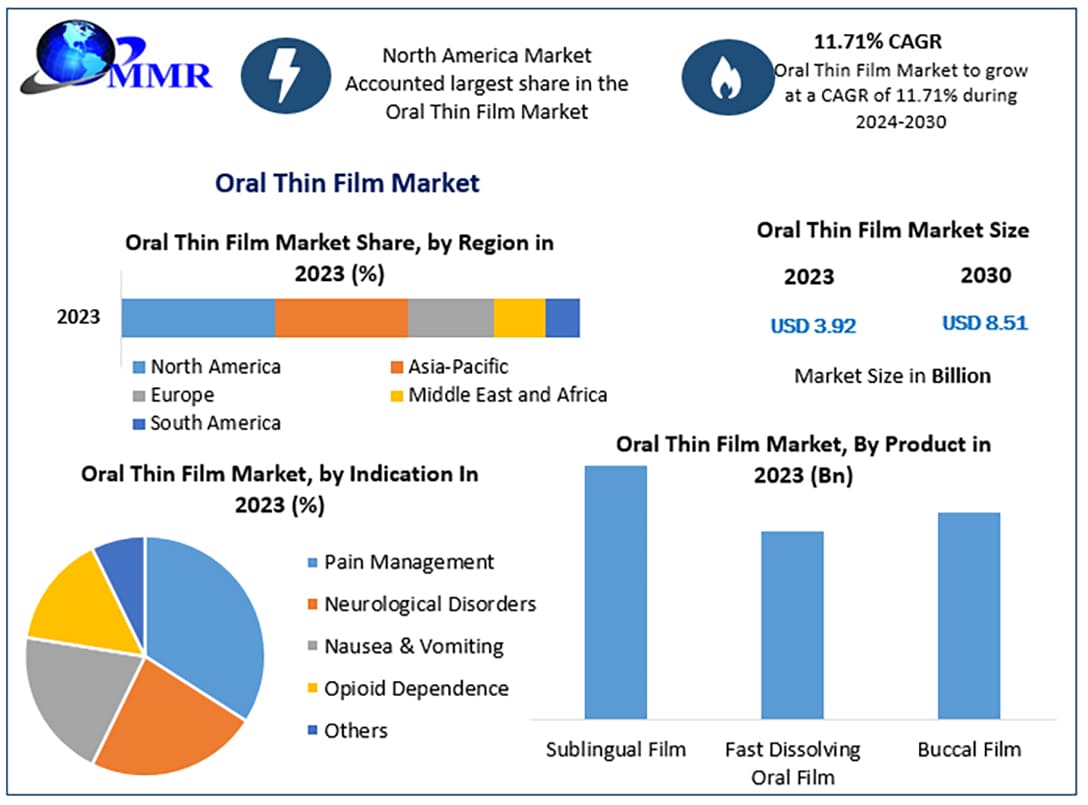
Figure 1. Global oral thin film market forecast[1]
In alignment with guidelines from U.S. Food and Drug Administration (FDA), innovative drugs generally require pharmacokinetic evaluation in at least two animal species, including a nonrodent species, such as dogs, monkeys, or minipigs. Because the anatomy and physiology of the oral cavity in large animals—including mucosal thickness and salivary secretion—more closely resemble those in humans, these large animal models offer greater clinical relevance for predicting in vivo absorption, distribution, metabolism, and excretion (ADME) following oral transmucosal delivery[2]. Using a canine model as an example, this article describes key methods, common challenges, and improvement strategies for in vivo PK studies of oral transmucosal delivery, and summarizes practical considerations for DMPK studies in this area.
Overview of Oral Transmucosal Drug Delivery Systems
What Are the Oral Mucosal Physiology and Absorption Pathways?
The oral mucosa comprises anatomically distinct regions, including the sublingual, buccal, gingival, and palatal mucosa. Structurally, it consists of the epithelium, lamina propria, and submucosa (Figure 2). The sublingual mucosa is nonkeratinized and is the thinnest and most permeable of these regions, with an exceptionally rich blood supply, making it the preferred site for rapid systemic absorption during oral transmucosal delivery. The buccal mucosa is also nonkeratinized and has an intermediate thickness, making it suitable for prolonged absorption from mucoadhesive formulations. The gingival and hard palatal mucosa have keratinized epithelia with strong barrier properties and limited permeability[3,4].
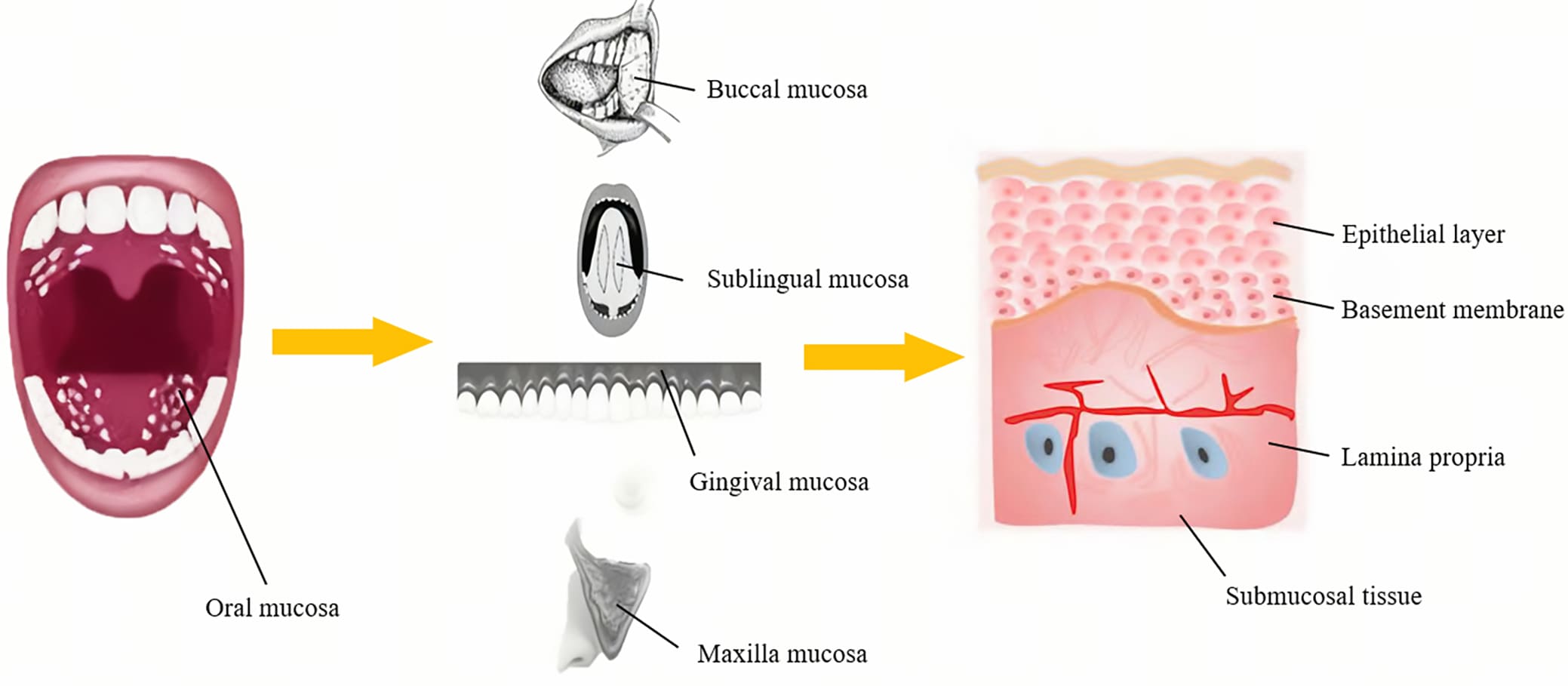
Figure 2. Histological structure of the oral mucosa and sites of absorption[5]
Drugs cross the oral mucosa to enter the systemic circulation primarily through two passive diffusion pathways (Figure 3):
Paracellular pathway: Drugs traverse aqueous spaces at tight junctions between epithelial cells. This route primarily accommodates relatively low-molecular-weight hydrophilic compounds (typically <500 Da).
Transcellular pathway: Drugs cross the cell membrane into epithelial cells, pass through the cytoplasm, and exit at the basal surface. This route primarily accommodates compounds with a degree of lipophilicity.
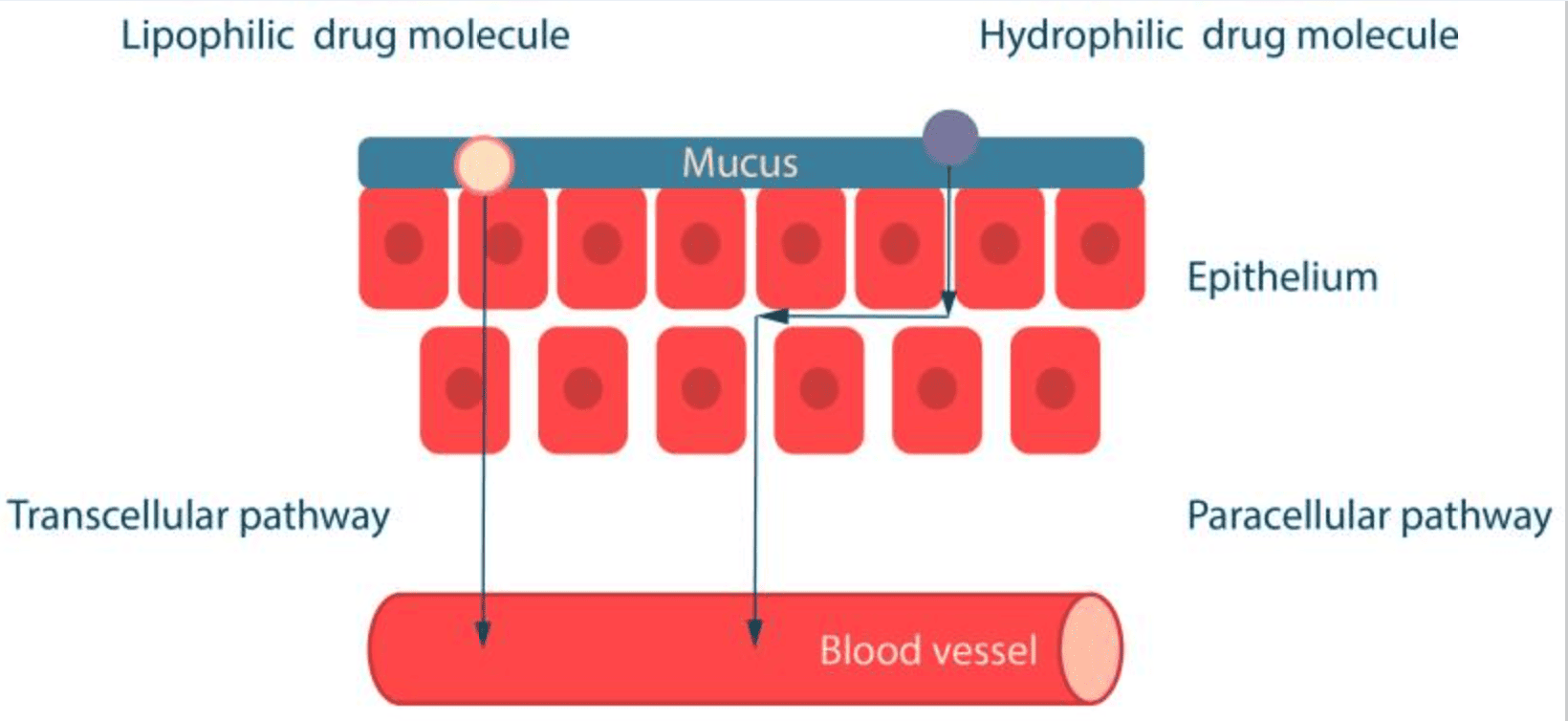
Figure 3. Pathways of drug absorption across the oral mucosa[6]
The efficiency of oral transmucosal delivery is determined by the drug's physicochemical properties:
Lipophilicity: This is commonly quantified by log P, the logarithm of the n-octanol/water partition coefficient of the uncharged molecule. Membrane permeation is optimal at log P values of 1-3. Values below 1 indicate excessive hydrophilicity, limiting entry into the lipid layer; values above 3 indicate insufficient solubility in saliva, which impairs absorption.
Molecular weight: Molecules with molecular weights below 500 Da can diffuse through intercellular spaces. Macromolecules, such as peptides, require nanocarriers, permeation enhancers, or other physical permeation-enhancement techniques[3,6,7].
What Are the Pharmacokinetic Advantages of Oral Transmucosal Delivery?
Avoidance of hepatic first pass metabolism and gastrointestinal degradation: The drug enters the systemic circulation directly, bypassing first pass metabolism and gastrointestinal degradation. This route is particularly suitable for drugs with extensive first pass metabolism or low oral bioavailability.
Rapid onset: The rich vascular supply of the mucosa enables direct entry into the systemic circulation, resulting in faster onset than oral formulations.
Convenient administration and dose optimization: Oral transmucosal delivery requires no water and is suitable for patients with dysphagia. It may allow dose reduction and decrease the risk of adverse reactions.
In a study of five healthy adult male Beagle dogs, the pharmacokinetics of buprenorphine solution (C29H41NO4·HCl; molecular weight [MW], 504.10; log P, 3.0-3.5) were evaluated after administration at 0.03 mg/kg by intravenous injection (IV), intranasal administration (IN), and oral transmucosal delivery (OTD)[8]. A randomized block crossover design was used, with a washout period of at least 72 hours between administration routes. Overall exposure after oral transmucosal delivery was lower than after IV administration but did not differ significantly from that after IN administration; blood drug concentrations could be maintained within the therapeutic window. In addition, oral transmucosal delivery significantly shortened the time of reaching the maximum concentration (Tmax), enabled rapid onset and achieved effective systemic drug concentrations. These findings provide a pharmacokinetic basis for the use of oral transmucosal drug delivery in clinical pain management (Figure 4).
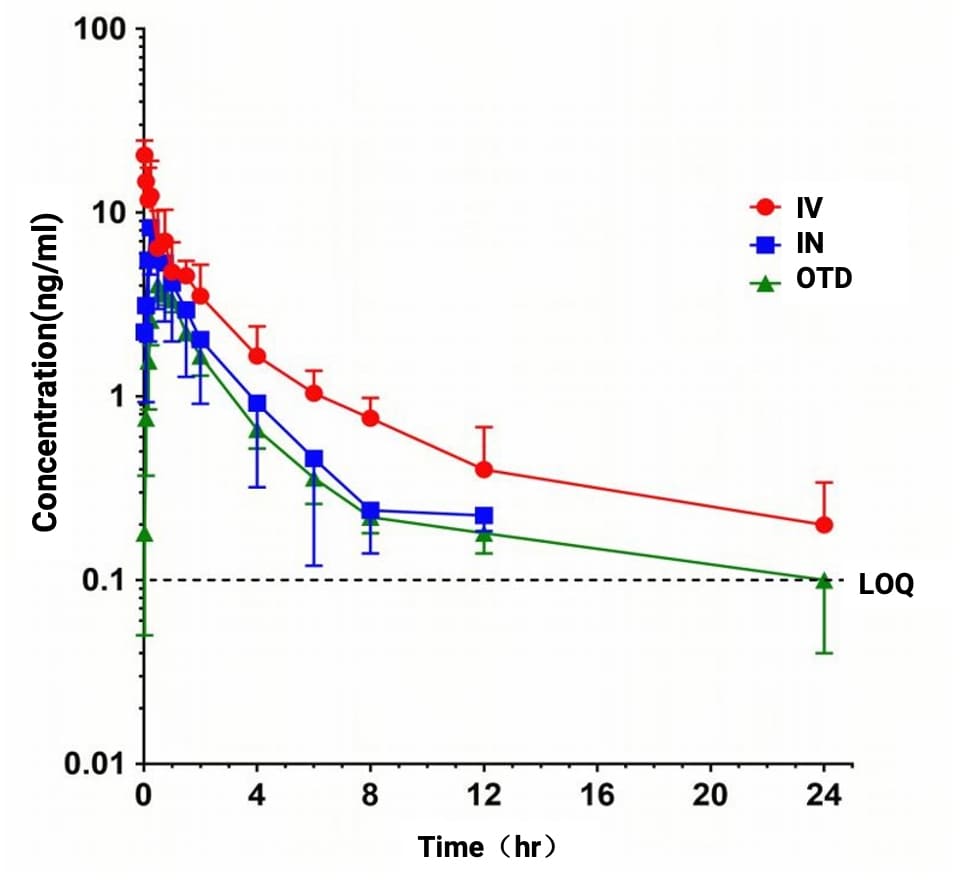
Figure 4. Plasma buprenorphine concentrations over time (hours) in dogs following intravenous (IV), intranasal (IN), and oral transmucosal (OTD) administration[8]
Challenges in Oral Transmucosal Delivery and Strategies to Improve Large Animal Models
Despite the substantial pharmacokinetic advantages of oral transmucosal delivery in large animals, in vivo PK studies face common challenges arising from animal physiology and behavior, as well as formulation characteristics.
What Are the Core Challenges in In Vivo PK Studies?
Difficulty achieving precise placement at the dosing site:
Interference from spontaneous animal behavior: In conscious animals, tongue protrusion, chewing, swallowing, and licking can readily displace the drug from the intended mucosal site or cause it to be expelled or swallowed into the gastrointestinal tract. These behaviors are the leading cause of unsuccessful administration during oral transmucosal delivery.
Practical limitations: Precise and reproducible placement of small oral thin films or tablets in the oral cavity of large animals such as dogs is technically demanding, directly affecting the success of individual administrations and consistency across DMPK studies.
Insufficient residence time on the mucosal surface: Continuous salivary washout and excessively rapid dosage-form disintegration substantially shorten effective drug-mucosa contact time. Once swallowed, the drug enters the gastrointestinal route, losing the first pass metabolism avoidance advantage of oral transmucosal delivery and introducing confounding oral absorption that can interfere with efficacy assessment.
High PK variability arising from interindividual physiological differences: Substantial interindividual differences in physiological parameters, including salivary flow rate, pH, and mucus-layer thickness, directly influence drug release, dissolution, and absorption. These differences increase the coefficients of variation of PK parameters, such as the area under the concentration-time curve (AUC) and maximum concentration (Cmax), and complicate data interpretation in large animal models.
How to Implement Improvement Strategies for DMPK Studies?
To address these challenges, WuXi AppTec DMPK coordinates improvements across three aspects to optimize oral transmucosal delivery: study preparation, predose preparation, and standardized administration procedures.
Study preparation:
Acclimation training. Provide at least 3 days of acclimation training before dosing, including wearing an Elizabethan collar, simulated dosing positions, and gentle pressure applied to the mouth, to reduce animal stress. Exclude animals that are extremely uncooperative to reduce the risk of experimental failure in in vivo PK studies.
Restraint duration. Determine an appropriate restraint duration based on the drug's dissolution characteristics in the oral cavity and its mucoadhesive properties.
Predose preparation: Withhold water briefly before dosing to reduce the urge to swallow and basal salivary secretion. Moisten the oral cavity with warm water and wait 5 minutes for salivary flow to stabilize before dosing. This step is intended to reduce individual differences in mucus secretion, thereby minimizing effect on drug diffusion during oral transmucosal delivery.
Standardized administration procedures: Gently expose the buccal pouch or elevate the tongue. Place the dosage form precisely on the intended mucosal site and apply pressure for 30-60 seconds. Confirm adhesion before closing the mouth. Extend the restraint period as warranted by the drug's properties to prevent unsuccessful dosing due to tongue protrusion, swallowing, or similar behaviors.
Experimental Case Study
To validate the optimized procedure, we administered a test compound by oral transmucosal delivery to five adult male Beagle dogs at 40 mg/dog. The pharmacokinetic results showed good data consistency (Figure 5), indicating that the large animal model can provide clear guidance for formulation optimization in DMPK studies.
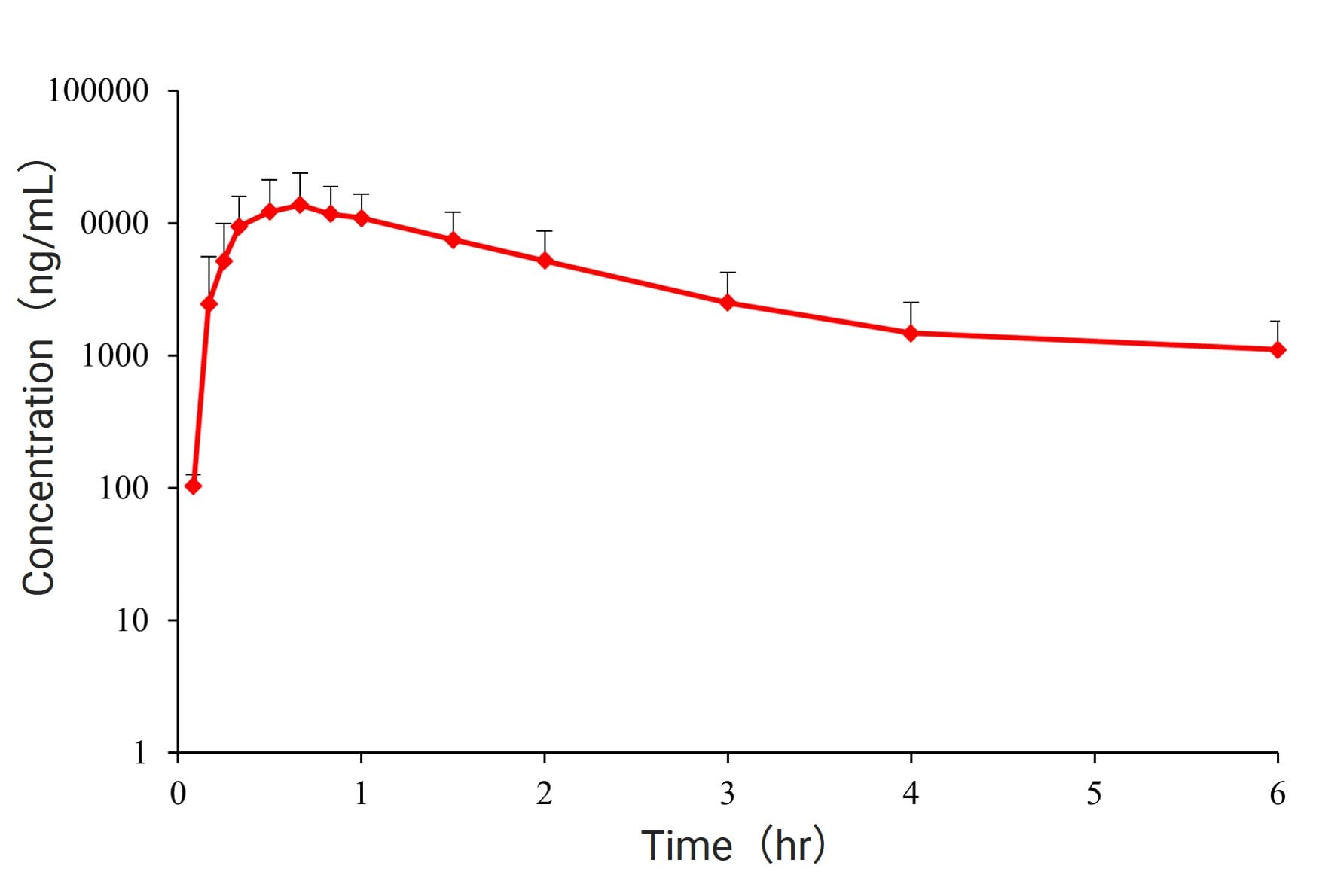
Figure 5. Mean plasma drug concentration-time profile in Beagle dogs following oral transmucosal administration
Methodological Summary and Outlook for Oral Transmucosal Delivery
What Are the Key Methodological Considerations?
Based on the preceding analysis, DMPK studies of oral transmucosal delivery in large animals should focus on the following methodological priorities:
Animal selection and training: Prefer standardized laboratory animals, such as Beagle dogs, and provide sufficient predose acclimation training to minimize the influence of interindividual behavioral differences on study results.
Standardization of administration procedures: Develop standardized procedures for placement at the mucosal site, pressure-application duration, and restraint duration to ensure reproducibility of dosing in in vivo PK studies.
Control of physiological confounders: Use measures such as withholding water and moistening the oral cavity to reduce the influence of interindividual variation in salivary secretion and the mucus barrier on absorption.
Assessment of data variability: Investigate the sources of interindividual variability in PK parameters and distinguish the contributions of physiological and procedural factors during oral transmucosal drug delivery.
Outlook for Oral Transmucosal Drug Delivery
With its noninvasive administration, rapid onset, and avoidance of first pass metabolism, oral transmucosal delivery offers clear value for rapid-onset formulations and the delivery of drugs subject to extensive first pass metabolism, making it an important direction in drug delivery research. Nevertheless, interpreting highly variable data and establishing standardized procedures remain major bottlenecks in oral thin film development as large-animal findings are translated into clinical applications. A standardized framework for large animal models in oral transmucosal delivery PK studies is an important foundation for translating preclinical data into clinical development.
Conclusion: Advancing DMPK Studies for Oral Transmucosal Delivery
The central objective of large animal model PK studies is to obtain high-quality, reproducible pharmacokinetic data through standardized procedures and systematic control of physiological confounders. Drawing on its systematic platform for oral transmucosal delivery PK studies, WuXi AppTec DMPK has successfully supported the preclinical development of multiple innovative and improved formulations, building substantial methodological expertise in standardized animal handling, control of physiological confounders, and quantitative analysis of absorption. Over the past three years, we have completed in vivo PK studies involving more than 500 dogs accumulating extensive hands-on experience in administering multiple types of oral transmucosal drug formulations, and established standardized administration procedures for multiple types of oral transmucosal drug delivery.
Looking ahead, we will continue to advance emerging areas such as macromolecular mucosal delivery and in vitro-in vivo correlation modeling. These efforts aim to further improve the predictive accuracy of preclinical oral thin film evaluation, use high-quality data to inform drug optimization decisions, and help clients accelerate the clinical translation of oral transmucosal delivery formulations.
Authors: Dong An, Guangyuan Fan, Jiarui Yu, Chao Zhang, Zhihai Li, Shoutao Liu
Talk to a WuXi AppTec expert today to get the support you need to achieve your drug development goals.
Committed to accelerating drug discovery and development, we offer a full range of discovery screening, preclinical development, clinical drug metabolism, and pharmacokinetic (DMPK) platforms and services. With research facilities in the United States (New Jersey) and China (Shanghai, Suzhou, Nanjing, and Nantong), 1,300+ scientists, and over fifteen years of experience in Investigational New Drug (IND) application, our DMPK team at WuXi AppTec are serving 1,700+ global clients, and have successfully supported 2,100+ IND applications.
Reference
[1] Maximize Market Research. (2024, August 1). Oral Thin Film Market is expected to reach USD 8.51 Bn by 2030, says Maximize Market Research. EmailWire. Retrieved August 31, 2026, from http://www.emailwire.com/release/1146837-Oral-Thin-Film-Market-is-expected-to-reach-USD-851-Bn-by-2030-says-Maximize-Market-Research.html#
[2] Sa G, Xiong X, Wu T, et al. Histological features of oral epithelium in seven animal species: As a reference for selecting animal models[J]. European Journal of Pharmaceutical Sciences, 2015, 81: 10-17.
[3] Solanki V R, Parmar V K. Recent Advances in Development of Buccal Formulations: From Small to Macromolecules[J]. AAPS PharmSciTech, 2025, 26: 156.
[4] Wang S, Liu L, Meng S, et al. A method for evaluating drug penetration and absorption through isolated buccal mucosa with highly accuracy and reproducibility[J]. Drug Delivery and Translational Research, 2022, 12: 2875-2892.
[5] Guo Y, Pratap Singh A. Emerging strategies for enhancing buccal and sublingual administration of nutraceuticals and pharmaceuticals[J]. Journal of Drug Delivery Science and Technology, 2019, 52: 440-451.
[6] Natallia V, Dubashynskaya,Valentina A, Petrova,Yury A, Skorik,Biopolymer Drug Delivery Systems for Oromucosal Application: Recent Trends in Pharmaceutical R&D.[J] .Int J Mol Sci, 2024, 25(10):5359 .
[7] Patel V F, Liu F, Brown M B. Advances in oral transmucosal drug delivery[J]. Journal of Controlled Release, 2011, 153(2): 106-116.
[8] Love L, Enmoto H, Wallace A, et al. A pilot study investigating the pharmacokinetics of intravenous, oral transmucosal, and intranasal concentrated buprenorphine in dogs[J]. Veterinary Anaesthesia and Analgesia, 2021, 48(6): S994.


ON THIS PAGE

Related Resources


Related Services and Platforms



Stay Connected
Keep up with the latest news and insights.

