



Preclinical Pharmacokinetics Strategies for Topical and Transdermal Drug Delivery Products
-

Articles
-

Oct 30, 2026
The skin is generally divided into four layers from outside to inside (see Figure 1). The stratum corneum (SC) composed of dead cells is the very thin (approximately 10-20 microns) and outermost layer of the skin. The viable epidermis, with a thickness of about 0.2 millimeters, is the region for drug binding, metabolism, and active transport. The dermis is about 3-4 millimeters thick, and is rich in collagen. The hypodermis, which can be up to several centimeters thick, is the innermost layer of the skin and serves as an important storage site for fat[2, 3].
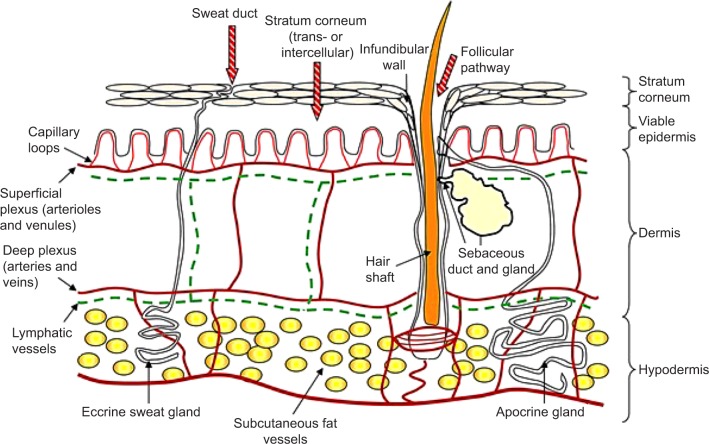
Figure 1. Structure of the skin[1]
Topical and Transdermal Drug Delivery Products refer to those that are administered on the skin surface, pass through the skin, and enter the body to exert local or systemic therapeutic effects, representing non-invasive and highly compliant dosage form. Topical Dermatologic Products are designed to deliver the active ingredient to dermal topical application or specific layers of skin. Its therapeutic areas include infections with bacteria, fungi, and viruses Psoriasis, atopic dermatitis, acne, etc. Transdermal Products are designed to deliver the active ingredient (drug substance) across the skin and into systemic circulation. It is usually prescribed to treat pain, disorders of the central nervous system, the cardiovascular system, and other diseases. With the aging of the global population and the increase in the number of patients with chronic diseases, the market demand for such drugs is also increasing.
Based on the drug characteristics and therapeutic purposes, topical drug delivery and transdermal drug delivery products are broadly divided into liquid, semi-solid, and matrix type delivery systems. Such as sprays, gels, emulsions, ointments, gel patches, etc. New drug delivery systems are under development, such as microneedles and ultrasonic introduction[4]. Diverse formulations also make preclinical pharmacokinetics research more complex. This article explores preclinical DMPK assessment strategies for topical drug delivery and transdermal drug delivery products based on literature and our experience.
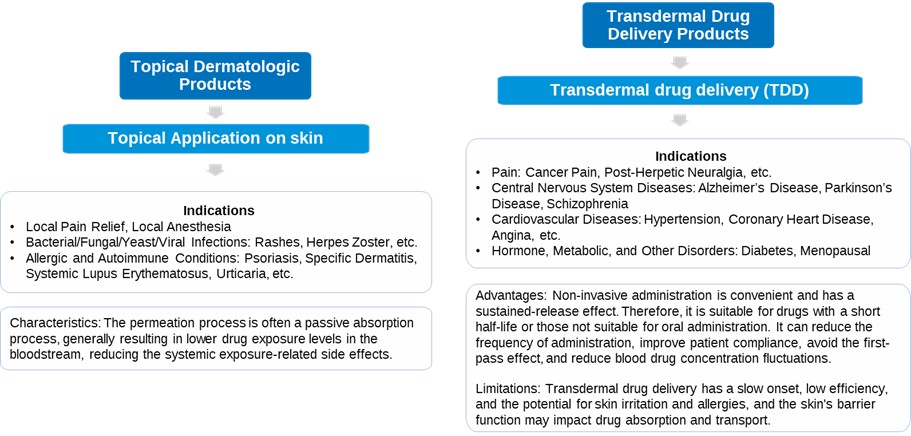
Figure 2. Brief Introduction to Topical and Transdermal Drug Delivery Systems
Drug Permeation and Research Methods for Topical and Transdermal Drug Delivery
There are physiological and physicochemical barriers to drug penetration in the skin. Microscopically, from outside to inside, skin constitutes three main histological layers: epidermal (including stratum corneum and active epidermal layer), dermis, and subcutaneous layer, and also includes skin appendages such as hair follicles, sweat glands, and sebaceous glands. There are mainly three routes of drug penetration into the systemic bloodstream[5]:
The transcellular pathway: The transcellular pathway passes through corneocytes and into the skin. Corneocytes containing highly hydrated keratins provide a hydrophilic environment to facilitate the passage of hydrophilic drugs.
The intercellular pathway: Mainly by intercellular lipid matrix diffusion. This path is generally considered to be most favored by lipophilic small molecules and uncharged drugs.
Trans skin appendage pathway: Permeating through skin appendages such as hair follicles, sweat glands, and sebaceous glands.
Topical dermatologic products diffuse to the epidermis or dermis may be adsorbed or bound by the relevant cells and components of the skin and act on the target site to produce local efficacy; Transdermal products need to further enter the dermal vascular-lymphatic system and eventually the blood.
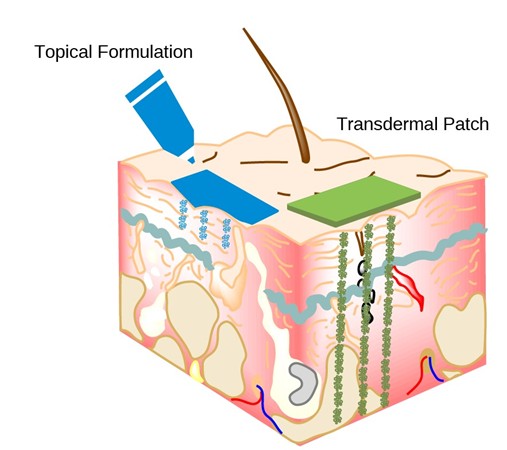
Figure 3. Schematic representation of drug permeation for topical drug delivery and transdermal drug delivery products
The absorption of drugs mainly depends on the first two pathways, which means drugs must pass through the stratum corneum layer, the outermost layer of the skin, before they penetrate into deeper layers. Among all skin layers, the stratum corneum barrier is the most effective, in which the stratum corneum cells and the brick wall structure composed of intercellular lipids block the absorption of drugs[7], directly or indirectly leading to a lower bioavailability of drugs.
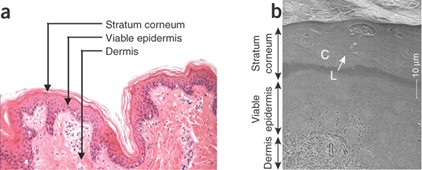
Figure 4. Histological structure of mammalian skin (a) Skin structure (Image of H&E stained porcine skin); (b) Stratum corneum structure (cryoscan electron microscopy image)[4]
The effectiveness and acceptability of skin formulations are directly related to the properties of the carrier/vehicle used. Faster the drug release commonly means the more effective drug penetration. Therefore, it is necessary to pay attention to the permeability of the formulation through the various layers of the skin in the early phases of formulation development. Both in vitro models and in vivo animal studies are used in the evaluation of topical drug delivery and transdermal drug delivery systems. Franz diffusion cell is generally used to assess skin permeability and evaluation of transdermal formulations[8], which is regarded as the industry gold standard. This method is normally used with excised human or animal skin. However, when biological skin is not available, synthetic membranes are employed. The artificial model membranes enable the testing and evaluation of various drugs and drug formulations as an initial screening approach to narrow the selection of the formulations to be evaluated with a more biologically intact model, like Silicone, PAMPA, and PVPA models[9]. In vivo preclinical pharmacokinetics studies have seminal techniques such as skin biopsy, skin curettage, negative pressure suction bubble technique and microdialysis, and non-traumatic methods e.g., quantitative whole-body autoradiography (QWBA), laser scanning confocal microscopy, and Roman Confocal microscope[5].
DMPK Research Strategies in the Development of Topical and Transdermal Drug Delivery Products
To provide regulatory support for the application and marketing of topical drug delivery and transdermal drug delivery products, each regulatory authority gave continuously updated policy guidance, mainly focusing on drug product quality control and generic drug evaluation, as shown in Table 1 below. A number of recommendations for the development of individual drugs have also been issued and will not be further expatiated here.
Table 1. FDA and CDE Guidance for Topical and Transdermal Drug Products (as of 2024)
Regulatory Authority | Guidance | Date Issued | Version |
FDA | In Vitro Permeation Test Studies for Topical Drug Products Submitted in ANDAs | 2022/10/21 | DRAFT |
In Vitro Release Test Studies for Topical Drug Products Submitted in ANDAs | 2022/10/21 | DRAFT | |
Physicochemical and Structural (Q3) Characterization of Topical Drug Products Submitted in ANDAs | 2022/10/21 | DRAFT | |
Transdermal and Topical Delivery Systems - Product Development and Quality Considerations | 21-NOV-2019 | DRAFT | |
Assessing Adhesion with Transdermal Delivery Systems and Topical Patches for ANDAs: Draft Guidance for Industry | April 2023 | DRAFT | |
Assessing the Irritation and Sensitization Potential of Transdermal and Topical Delivery Systems for ANDAs: Draft Guidance for Industry | April 2023 | DRAFT | |
Residual Drug in Transdermal and Related Drug Delivery Systems: Guidance for Industry | 17 Aug 2011 | FINAL | |
CDE | Technical Guidance for Clinical Trials of Locally Applied Locally Products | 5/30/2022 | Issued |
Technical Guidance for Chemical Generic Drugs for Topical Dermatology (Trial) | 3/16/2021 | Trial | |
Technical Guidance for Pharmaceutical Study of Chemical Generic Transdermal Patch (Trial) | 12/25/2020 | Trial | |
Technical Guidance for Irritation, Sensitization and Hemolysis Studies of Drugs | 5/13/2014 | Issued |
Preclinical development of topical and transdermal delivery products should follow the general principles of preclinical DMPK of pharmaceuticals. At the same time, compared to drugs administrated by other routes, they have particularity in formulation composition and dosage form. Therefore, evaluation strategies should be designed purposively.
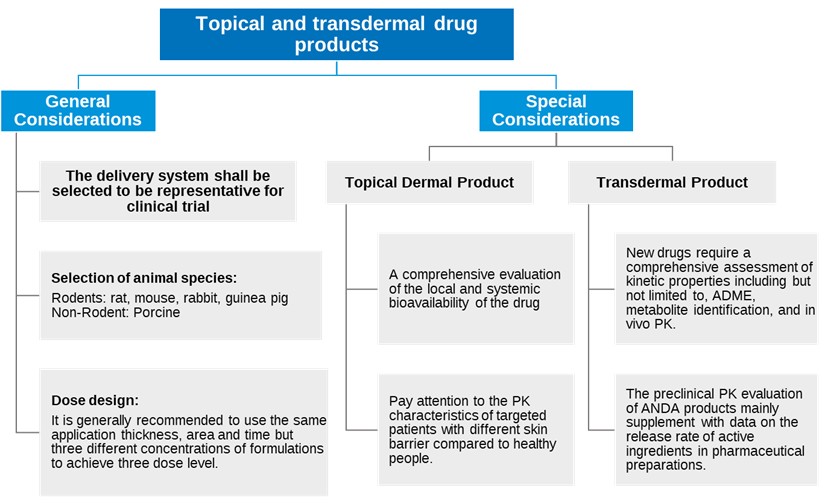
Figure 5. Preclinical Pharmacokinetics Assessment Strategy for Topical and Transdermal Drugs
General Considerations for Preclinical Pharmacokinetics
1) The delivery system should be selected to be representative of the clinical trial
For the test articles in preclinical pharmacokinetics studies, the delivery system should be at a pilot scale or above that represents the samples for clinical trial, and the physical and chemical properties of the formulation, such as volatility, stability, and solubility are necessary to provide a reasonable basis for trial design.
2) Selection of preclinical species
When assessing the local skin kinetics or systemic absorption of such drugs, experimental animal species for preclinical PK should be close to human skin and have sufficient background research data. For the selection of rodents, the draft guidance for preclinical safety evaluation of dermal administration published by the OECD[9] recommends to use of rats, or guinea pigs for safety evaluation of systemic exposure, and this recommendation is also applicable to PK studies. When it comes to non-rodent selection, the skin of minipigs has good similarity with that of humans in terms of anatomical structure and physiological status, with similar skin penetration data of compounds[10]. Moreover, the pig skin is light in color and has few hair follicles, and feasibility.
3) Considerations of the dose
The consideration of administration dose levels in the in vivo PK experiment are the same as conventional routes, and routinely choose three dose levels. It is generally recommended to use three concentrations of formulation to achieve three dose levels with the same application thickness, area, and application time. In the preclinical safety assessment, the administration dose can also be increased by expanding the administration area and increasing the frequency of administration. OECD Draft Guidance Repeated Dose Dermal Toxicity: 21/28-day Study[9] suggested the maximum administration area should not exceed 10% of the body surface area.
Special Considerations for Topical Drug Delivery Products
1) The bioavailability of the drug in the skin and circulation system should be comprehensively evaluated
The local kinetic trail in the skin can help in understanding whether the drug reaches the target site, and the speed and quantity of the drug reaching the target site. The study of local kinetics in humans is not easy to conduct due to the skin sampling techniques and ethics. The data of preclinical local kinetics can support the subsequent human clinical trial design. In addition, systemic bioavailability is important for the evaluation of absorption and in vivo loading toxicity. Therefore, topical skin preparations should be evaluated comprehensively for their local and systemic bioavailability.
2) Attention should be paid to the impact of skin disease types, their barriers, and its PK profile
For some diseases, the patient's skin is damaged, and its skin absorption may be quite different from that of intact skin. It should be studied for its PK behavior before clinical use. The following table lists several disease models and changes in the skin barrier.
Table 2. Skin barrier system in different skin diseases[13]
Disease | Target Tissue | Skin barrier |
Fungal infection | Epidermis | Not damaged |
Herpes simplex | Superficial epidermis | Severely damaged (trauma to skin) |
Melanoma | Deep epidermis (basal layer) | Not damaged |
Psoriasis (plaque type) | Epidermis and dermis | Not damaged |
Atopic dermatitis | Epidermis and dermis | Partly damaged |
Acne | Sebaceous glands and dermis | Partly damaged (face) |
Muscle pain | Subcutaneous and intramuscular | Not damaged |
The topical animal model can be used for pre-clinical assessment of topical drug delivery. Different animal models can be obtained by different methods. For example, the model of stratum corneum loss can be obtained by tape stripping. It is necessary to determine the frequency of stripping according to the skin healing characteristics and the administration mode in the study protocol, to ensure the consistency of drug absorption.
3) Case Study on Topical Drug Delivery
VTAMA® (Tapinarof) is a novel small molecule for mild, moderate, and severe plaque psoriasis in adults[11], which was approved by the FDA in May 2022. Tapinarof is applied as a thin layer of cream to the lesion once a day, which binds and activates the aryl hydrocarbon receptor (AhR), thereby modulating the imbalance of proinflammatory cytokine levels in the body. The preclinical pharmacokinetics studies conducted are shown in the table below:
Table 3. Preclinical Pharmacokinetics of Tapinarof
Experiment Type | Test item | Main test results |
Absorption | An In Vitro Investigation of the Passive Membrane Permeability of [14C] Tapinarof in MDCKII-MDR1 Cells | [14C]-tapinarof was determined to have a high passive membrane permeability of 670 nm/s at pH 7.4 and 500 nm/s at pH 5.5 in Madin-Darby canine kidney (MDCKII-MDR1) cells in the presence of the potent P-glycoprotein (P-gp) inhibitor. |
Multiple-Dose Topical Dermal Toxicokinetics in Göttingen Minipigs | Tmax: 6 hours; AUC0-t: 5.09 ng·hr/mL at 3%; Cmax: 0.686 ng/mL at 3%; Accumulation: No; Dose proportionality: Exposure generally increased dose proportionally (0.5, 1.0, and 3%) on Week 39. | |
DISTRIBUTION | Plasma protein binding in pooled rat, minipig, and human plasma using equilibrium dialysis | The plasma protein binding of tapinarof was very high, ranging from 99.1% to 99.4%, with no apparent concentration dependence in the three species tested (rat, minipig, and human) over the concentration range from 20 to 1000 ng/mL. |
In Vitro Protein Binding in Human and Minipig and Human Skin Homogenate | In vitro protein binding study of tapinarof showed that the skin protein binding values for the minipig and human homogenates were 90.7% and 92.7%, respectively. The binding appeared to be concentration dependent at high concentrations. | |
Quantitative Whole Body Autoradiography Tissue Distribution Study in Rat after Single Subcutaneous Dosing | All tissues arrived maximum concentrations at approximately 1 hour after dosing. It was mainly distributed in the treated skin site, urinary bladder wall, adrenal cortex, small intestinal wall, liver, fat, and kidney cortex. The exposure in tissues was higher than in blood. | |
Metabolism | An In Vitro Investigation of the Hepatic Metabolite profiling of WBI-1001 in human liver microsomes and cryopreserved hepatocytes from rat, rabbit, Gottingen minipig, and human; Metabolism of [14C]GSK2894512 in the Human, Crl: WI (Han) and Crl: ICR (CD-1) Mouse | The major in vitro biotransformation pathways of the test article in all of the species were attributed to the Phase II enzyme activities, e.g. sulfate and glucuronic acid conjugations on the phenolic group, alone or in combination with oxidation. All metabolites noted in human hepatocyte incubations were observed in rat or minipig hepatocyte incubations. Only incubation of the test article with rabbit hepatocytes produced a Phase I metabolite, which was formed likely due to an aromatic hydroxylation reaction. |
Metabolism in Male Rats following a Single Subcutaneous Administration of [14C] Tapinarof at a Target Dose Level of 2 mg freebase/kg | The major routes of metabolism in vivo in mice and rats were oxidation, glucuronidation, and combinations thereof. | |
Excretion | The Excretion of Radioactivity Following a Single Subcutaneous Administration of [14C] free base to the CD-1 Mouse and Rat (2 mg/kg) | In rats and mice, the major route of elimination was in the feces. For bile duct-cannulated rats, the major route of elimination was in the bile. Elimination of drug-related material was rapid following SC administration, with 80% to 88% of the dose recovered by 24 hours post-dose. Blood-to-plasma ratios ranged from 0.66 to 1.2 in the rat and 0.60 to 0.77 in the mouse, and liver-to-plasma ratios ranged from 7.1 to 14.0 in the rat and 4.0 to 14.1 in the mouse, respectively. |
Excretion of Radioactivity Following Dermal Administration of [14C]GSK2894512 free base to the Mini pig (10 mg/kg) | In the minipig study, the majority of the radioactivity (82.5% of the dose) was recovered in the interim dressing removed from the dose site 10 hours after dosing. Less than 1% of the administered radiolabeled material was recovered in excreta (urine and feces), suggesting minimal absorption of the radioactive test material. Blood and plasma concentrations of radioactivity were below the limit of detection. |
Special Considerations for Transdermal Drug Delivery Products
1) The transdermal delivery system requires an assessment of absorption characteristics and systemic exposure, separately
Transdermal preparations are systemically active dermal preparations, and their systemic exposure and ADME properties of drugs can be assessed by referring to drugs dosed by conventional systems in preclinical pharmacokinetics. The assessment of systemic exposure requires the selection of one rodent and one non-rodent species that are metabolically similar to humans, while transdermal absorption assessment often selects minipigs.
2) Preclinical PK assessment of the transdermal drug delivery system of a modified formulation
Most of the transdermal products approved by the FDA belong to the NADA products. The application mainly relies on the available literature data and the real data of the marketed product to provide evidence of safety and effectiveness, while the preclinical test plays a supplementary role. Preclinical PK mainly supplements data like the release rate of active ingredients in the delivery system. Relevant animal species can be used for in vivo PK study.
3) Case Study on Transdermal Drug Delivery
EXELON®PATCH (rivastigmine transdermal patch) is a novel formulation modified from the original oral capsule formulation[12] for the treatment of Alzheimer's disease with mild, moderate, and severe cognitive impairment. The results of plasma protein binding and in vitro and in vivo metabolism were based on the existing data of oral preparations, supplemented with the PK data of pigs (isotope-labeled) under transdermal drug delivery route of administration, transdermal patch drug residue, and in vitro human skin metabolism studies. When comparing the transdermal product with the oral product, the pig's bioavailability increased by 23.8-fold with more long-time plasma concentrations curve. It also reduces the gastrointestinal side effects of rivastigmine and becomes preferable to Alzheimer's patients.
Table 4. Pharmacokinetics Data of EXELON® PATCH in Three Administration Routes to Minipig
Pharmacokinetics Parameters | Intravenous administration (0.1 mg/kg) | Oral administration (1.0 mg/kg) | Transdermal drug delivery (18 mg) | Transdermal drug delivery (54 mg) |
Cmax (ng/mL) | 27.04 | 0.67 | 1.03 | 4.06 |
Tmax (h) | 0.083 | 0.5 | 18 | 24 |
AUC0-96 (ng·h/mL) | 14.6 | 0.7 | 43.0 | 140.8 |
F% | - | 0.5 | 11.9 | 13.0 |
Summary
Topical and transdermal drug delivery products are relatively complex as there is no universal assessment system and regulators have different degrees of acceptance. So, selecting appropriate research methods according to drug physicochemical properties, disease targets, etc. is crucial. Combining multiple methods can provide a more comprehensive understanding of the drugs' absorption, distribution, and metabolism at the target site. We established a universal set of drug research systems to help with the entire research process, from early-stage formulation screening to new drug applications. This includes in vitro IVRT and IVPT assay platform, in vivo dermal pharmacokinetics and visualized QWBA technology, etc.
Authors: Zhangpei Zhu, Jing Jin
Talk to a WuXi AppTec expert today to get the support you need to achieve your drug development goals.
Committed to accelerating drug discovery and development, we offer a full range of discovery screening, preclinical development, clinical drug metabolism, and pharmacokinetic (DMPK) platforms and services. With research facilities in the United States (New Jersey) and China (Shanghai, Suzhou, Nanjing, and Nantong), 1,300+ scientists, and over fifteen years of experience in Investigational New Drug (IND) application, our DMPK team at WuXi AppTec are serving 1,800+ global clients, and have successfully supported 2,100+ IND applications.
Reference
[1] Eman Abd, Shereen A Yousef, Michael N Pastore, et al. Skin models for the testing of transdermal drugs. Clinical Pharmacology: Advances and Applications 2016:8 163–176.
[2] Rakesh Patel, Ankita Patel, Bijal Prajapati, Gajanan Shinde and Abhay Dharamsi. Transdermal drug delivery systems: a mini review. Int. J.Adv.Res.6 (5): 891-900.
[3] Vaibhav Rastogi, Pragya Yadavf. Transdermal drug delivery system: An overview. Asian Journal of Pharmaceutics, 2012, 6(3): 161 – 170.
[4] Prausnitz M R, Langer R. Transdermal drug delivery [J]. Nature biotechnology, 2008, 26 (11): 1261-1268.
[5] Supe S, Takudage P. Methods for evaluating drug penetration into the skin: A review [J]. Skin Research and Technology, 2021, 27 (3): 299-308.
[6] http://www.amarintech.com/topical-and-transdermal-drug-products-making-the-difference-through-transdermal-delivery-systems/
[7] Gorzelanny C, Mess C, Schneider S W, et al. Skin barriers in dermal drug delivery: which barriers have to be overcome and how can we measure them? [ J]. Pharmaceutics, 2020, 12 (7): 684.
[8] Santos L L, Swofford N J, Santiago B G. In vitro permeation test (IVPT) for pharmacokinetic assessment of topical dermatological formulations [J]. Current Protocols in Pharmacology, 2020, 91 (1): e79.
[9] OECD Ilibrary . OECD Guidelines for the Testing of Chemicals, Section 4. http://www.oecd-ilibrary.org/environment/oecd-guidelines-for-the-testing-of-chemicals-section-4-health-effects_20745788
[10] Jung E C, Maibach H I. Animal models for percutaneous absorption [J]. Topical drug bioavailability, bioequivalence, and penetration, 2014: 21-40.
[11] SU Min, LIU Hong-bin, CUI Jia-li, ZHOU Hui, SUN Xian-ying, MAO Yong, ZHANG Pei-pei, ZHAO Gao-qiong, XU Hong-hua, WANG Jing-kun. A comparative study of bulleyaconitin Penetration rate on three damaged ways of skin[J]. Drug Evaluation Research, 2015, 38(5): 491-496.
[12] http://www.accessdata.fda.gov/drugsatfda_docs/nda/2007/022083_exelon_toc.cfm
[13] Liang Shen, editor. Drug Metabolism and Pharmacokinetics: Frontiers, Strategies, and Applications. Wiley. 2025. http://doi.org/10.1002/9781394300150.


FAQ
-

What is the main difference in preclinical pharmacokinetics evaluation between topical and transdermal drug delivery?


-
Which animal models are most suitable for in vivo preclinical pharmacokinetics studies of transdermal products?
-
How do IVRT and IVPT contribute to the development of topical and transdermal formulations?
-
How does skin barrier damage (e.g., in psoriasis or dermatitis) affect preclinical pharmacokinetics?
-
What are the dosing considerations for in vivo dermal pharmacokinetic studies?



Stay Connected
Keep up with the latest news and insights.

