


How to Increase Oral Bioavailability of PROTAC Drugs: 7 Key Strategies to Overcome Druggability Challenges
-

Articles
-

Jun 18, 2026
Why Oral Bioavailability is Challenging for PROTAC Drugs
Over the past five years, Proteolysis-Targeting Chimera (PROTAC*) has gradually become one of the most popular small molecules due to its unique mechanism of action. However, there are many obstacles to overcome on its druggability. One of the most discussed challenges is that, unlike traditional small molecule drugs, PROTAC drugs do not adhere to the classical Rule of Five. PROTAC is considered to violate the tenets of medicinal chemistry and functions as a redefined small molecule compound. Consequently, poor oral absorption remains a common issue for PROTAC compounds. Here we discuss the PROTAC molecules’ properties that are closely related to oral absorption and oral bioavailability, including solubility, lipophilicity, permeability, metabolic stability, etc., to provide ideas for further research and development of PROTAC molecules.
PROTAC Molecules do not Meet Lipinski's Rule of Five
Oral small-molecule drugs with high oral bioavailability and desired pharmacokinetic properties generally meet Lipinski's Rule of Five:
The molecular weight is less than 500
No more than 5 hydrogen bond donors
No more than 10 hydrogen bond acceptors
Octanol–water partition coefficient log P not greater than 5
No more than 10 rotatable bonds
PROTAC molecules hardly meet the Rule of Five. In terms of molecular weight, PROTAC consists of three key structural parts, a ligand binding with the target protein, a ligand binding with the E3 ubiquitin ligases, and a linker connecting the two ligands, which results in a large molecular weight of PROTAC, typically more than 700 Da [1]. Also, PROTAC has poor solubility and permeability.
The two PROTAC molecules, ARV-110 and ARV-471, which have entered Phase II clinical trials, exhibit physical and chemical characteristics that are closer to Lipinski’s Rule of Five (Figure 1). This may indicate that PROTACs that adhere more closely to Lipinski’s Rule of Five may possess better pharmacokinetic properties and higher oral bioavailability of drugs [2].
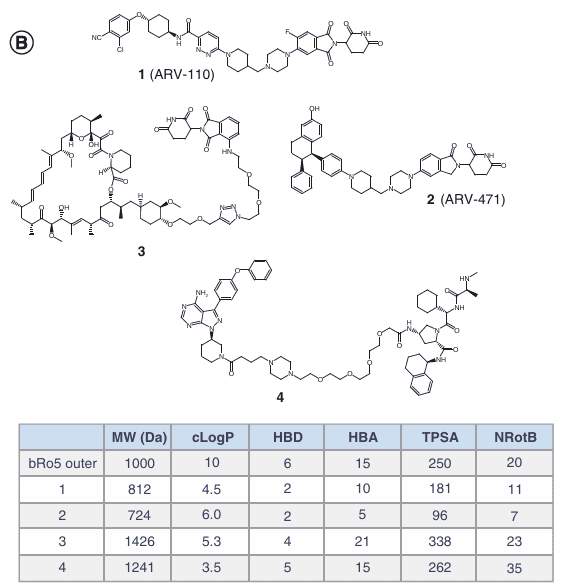
Figure 1 Structure and physicochemical properties of ARV-110, ARV-471 and other two PROTAC molecules [2]
How to Increase Oral Bioavailability of PROTAC?
Improve the PROTAC’s Solubility
Conventional solubility studies typically measure the solubility of compounds in a pH 7.4 phosphate buffer solution. However, since drug absorption occurs in the gastrointestinal tract, it is important to consider the solubility of PROTAC in physiological media as well. It has been reported that the solubility of PROTAC molecules significantly improves in fasted-state simulated intestinal fluid (FaSSIF) and fed-state simulating intestinal fluid (FeSSIF), with optimal solubility observed in FeSSIF (Figure 2). The clinical trial design of ARV-110 and ARV-471 published by Arvinas disclosed that the phase I clinical administration modes of these two PROTAC molecules are both "once daily with food". Our study also found that postprandial administration increased the exposure of some PROTAC molecules in animals. This suggests that the in vivo pharmacokinetics of PROTAC may obtain better in vivo drug exposure via postprandial administration.
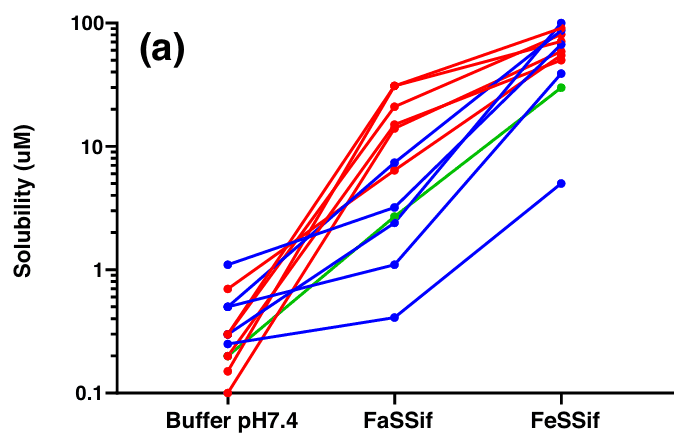
Figure 2 Solubility of PROTAC molecules in different buffer solutions [3]
Another way to solve the solubility problem of the PROTAC is to use optimized formulations. Studies have shown that using amorphous solid dispersions (such as spray drying, hot melt extrusion), nano delivery systems, self-emulsifying delivery systems, or different solvents to make the formulation clear can help to increase the in vivo exposure and overall oral bioavailability.
Improve the PROTAC’s Permeability
Permeability is another crucial factor that affects oral bioavailability. On one hand, drugs need to pass through the membrane barrier of small intestinal epithelial cells for oral absorption. On the other hand, for intracellular protein degradation, PROTACs also need to enter target cells. It has been demonstrated that substituting the PEG linker with a 1,4-disubstituted benzene ring can greatly enhance the cell permeability of PROTACs [4].
In the preclinical compound screening stage, it is critical to select an appropriate in vitro permeability model for PROTAC. Conventional models for in vitro permeation research include Caco-2, MDCK, LLC-PK1, and PAMPA. When researching PROTAC molecules, PAMPA is not recommended as a suitable in vitro permeability model due to the restrictions of its non-cellular structure. Caco-2, MDR1-MDCK, or LLC-PK1 cells can be applied to evaluate the in vitro permeability of PROTAC. However, PROTAC molecules showed low permeability in most of the models (Figure 3).
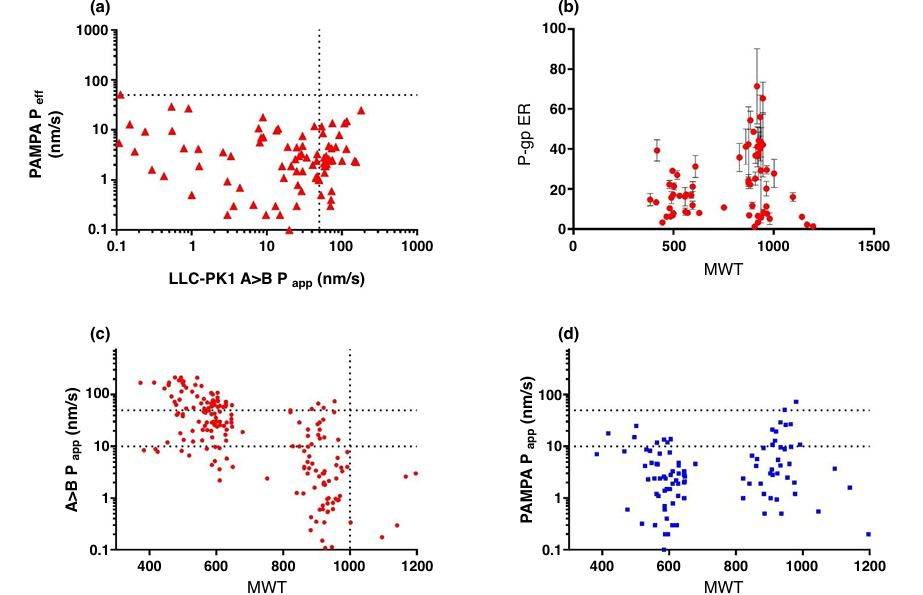
Figure 3 Molecular weight and permeability of PROTAC [1]
a) The correlation between PAMPA and LLC-PK1, the area under the dotted line represents low permeability;
b) Relations between P-gp efflux ratio and molecular weight;
c) The permeability of compounds with different molecular weights in LLC-PK1 cell model, molecular weight less than 650 is a single ligand, and molecular weight more than 650 is a complete PROTAC;
d) The permeability of compounds with different molecular weights in the PAMPA model, molecular weight less than 650 is an individual ligand, and molecular weight more than 650 is an intact PROTAC.
In addition to low permeability, the low solubility and high non-specific binding would also lead to the insufficient recovery of PROTAC molecules in permeability models. Low recovery makes it hard to determine whether the permeability data are accurate, thus greatly reducing the credibility of the data. We carried out additional validation studies to solve this problem. The recovery of PROTAC molecules in the Caco-2 cell models can be greatly improved by using a transfer buffer with BSA or a physiological medium as the transfer buffer. The optimized Caco-2 cell systems have been recommended for in vitro permeability evaluations of PROTAC.
Improve the PROTAC’s Metabolic Stability
When absorbed by the intestine, the compound undergoes metabolism by the liver or intestine before it enters the circulatory system. This process is known as “first-pass” metabolism, which restricts the oral absorption and oral bioavailability of many drugs. One strategy on how to increase oral bioavailability of PROTACs is to improve their metabolic stability and reduce first-pass metabolism. Various approaches have been explored to achieve this, including altering the length of the linker, modifying the anchor point of the linker, employing cyclic linkers, and changing the attachment site of the linker [5].
Choose Smaller E3 Ligand
PROTAC’s properties are closely related to the type of E3 ligase ligands. The most commonly utilized E3 ligases for PROTAC mainly include CRBN, VHL, cIAP, and MDM2, with CRBN and VHL being the most frequently employed. As shown in Figure 4, CRBN has a smaller volume compared to VHL ligands. It has been reported that VHL ligand-containing PROTACs usually have poor oral absorption due to larger molecular weights [6]. Vasanthanathan et al. compared the chemical properties of PROTAC molecules based on different E3 ligases with oral drugs included in DrugBank and found that the PROTAC based on VHL (green) is far away from the oral drug region (blue) and it has been reported that the oral bioavailability of such PROTAC is indeed low. In contrast, the PROTAC based on CRBN E3 ligase (red) is closer to the oral drug region [2]. The two PROTAC molecules (ARV-110 and ARV-471) that have entered clinical phase II are with CRBN E3 ligase. Therefore, searching for new E3 ligands with smaller molecular weights is worth exploring.
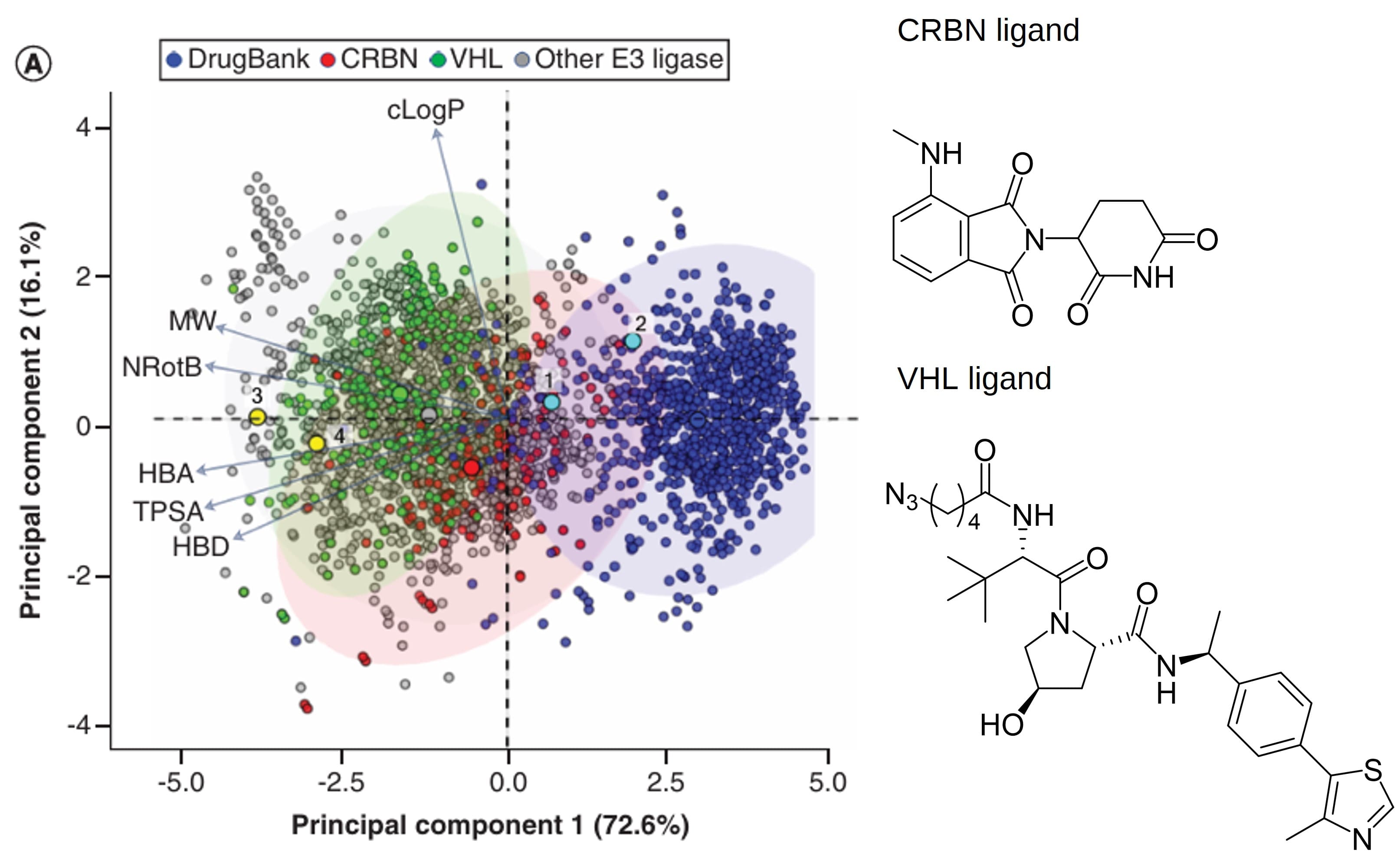
Figure 4 Structures of CRBN, VHL Ligands, and comparison of chemical properties of PROTAC molecules with oral drugs included in DrugBank. Adapted from reference [2]. Blue circles represent oral drugs included in DrugBank (n = 888), and red, green, and grey circles represent PROTAC of CRBN, VHL, and other E3 ligases (n = 2082), respectively.
Introduce Intramolecular Hydrogen Bonds
PROTACs usually have high polarity and many rotatable bonds, and these structures generally make it difficult to penetrate the lipid bilayer of the cell membrane. Recent research found that the formation of intramolecular hydrogen bonds can reduce the polar molecular surface area of PROTACs, and then improve their permeability. Under the action of intramolecular hydrogen bonds, an original strip-type molecule will be transformed into a “ball” form, which makes it easier to penetrate the lipid bilayer of the cell membrane [7].
Select Appropriate Solutions
PROTAC compounds generally have long structures, large molecular weight, high polarity, and a large number of rotatable bonds. Atilaw et al showed that a PROTAC acts like a chameleon in that its conformation changes with the environment [8]. In solutions that mimic extra- (DMSO) or intracellular (DMSO mixed with water by 10:1), PROTAC molecules present an elongated shape and have a high molecular polarity. However, in the solution that mimics a cell membrane interior (chloroform), PROTAC molecules are folded by forming intramolecular hydrogen bonds and π−π interaction, thus becoming a molecule with a smaller polar surface area (Figure 5). In other words, it shifts from the conformation of a polar molecule to the conformation of a non-polar molecule. This finding suggests that the permeability and subsequent oral bioavailability of PROTAC may be related to whether it can form a conformation with a small polar surface area during the permeation process.
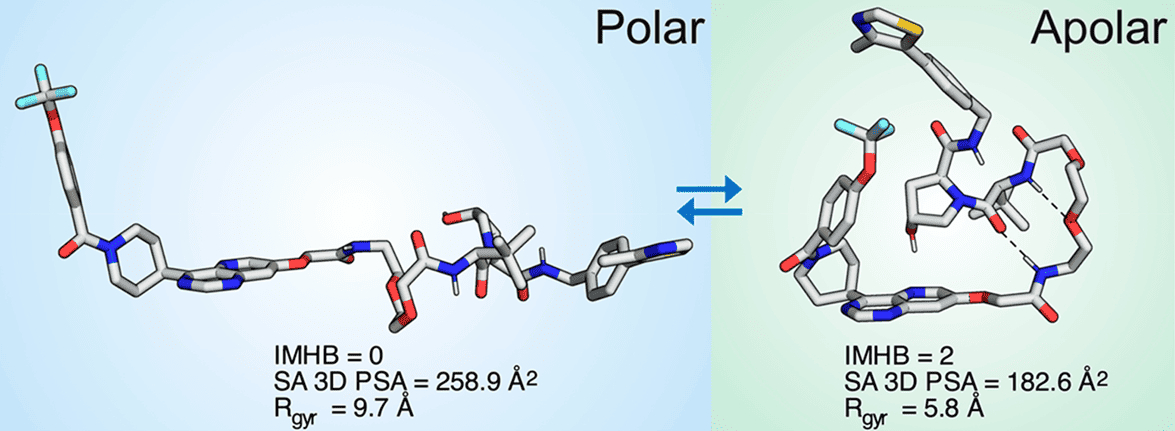
Figure 5 Conformation change of PROTAC in different solutions [8]
Use Prodrug Strategy
Prodrug is a common approach to improving the oral bioavailability of drugs. A prodrug is obtained by structural modification of pharmacologically active compounds. Prodrugs themselves have little or no activity, and pharmacologically active parent drugs will be released in vivo by enzymatic catalysis. Chemists designed a prodrug from a PROTAC by adding a lipophilic group to the CRBN ligand. The results showed that the oral bioavailability of a PROTAC was significantly increased by prodrug design [9]. The prodrug design based on CRBN ligand can also be used in other PROTACs with similar E3 ligands to improve their oral bioavailability (Figure 6). However, a potential problem with designing prodrugs for PROTACs is that the molecular weights of PROTACs may be increased.
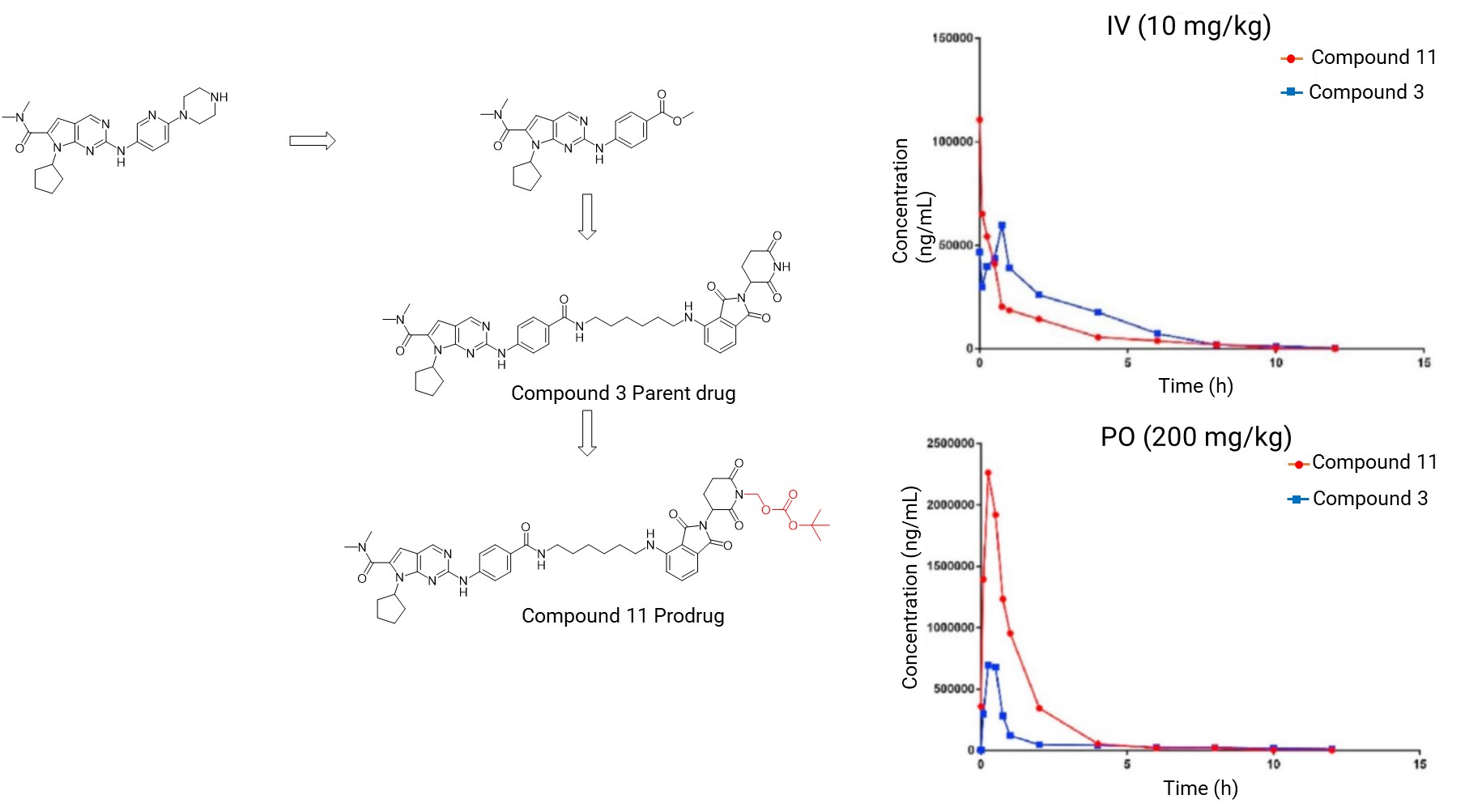
Figure 6 Oral bioavailability of compound 3 was significantly improved after its prodrug design as compound 11. Adapted from reference [9]
Use Molecular Glues
Due to the large molecular weight of PROTACs, chemists continue to explore new strategies to reduce molecular weight to make PROTACs more “drug-like”. Molecular glues are considered to be a more "dense molecule" than PROTACs and they can also trigger a ternary complex like that of PROTACs (Figure 7). For these reasons, the molecular glues have better drug-like properties than PROTACs [10].
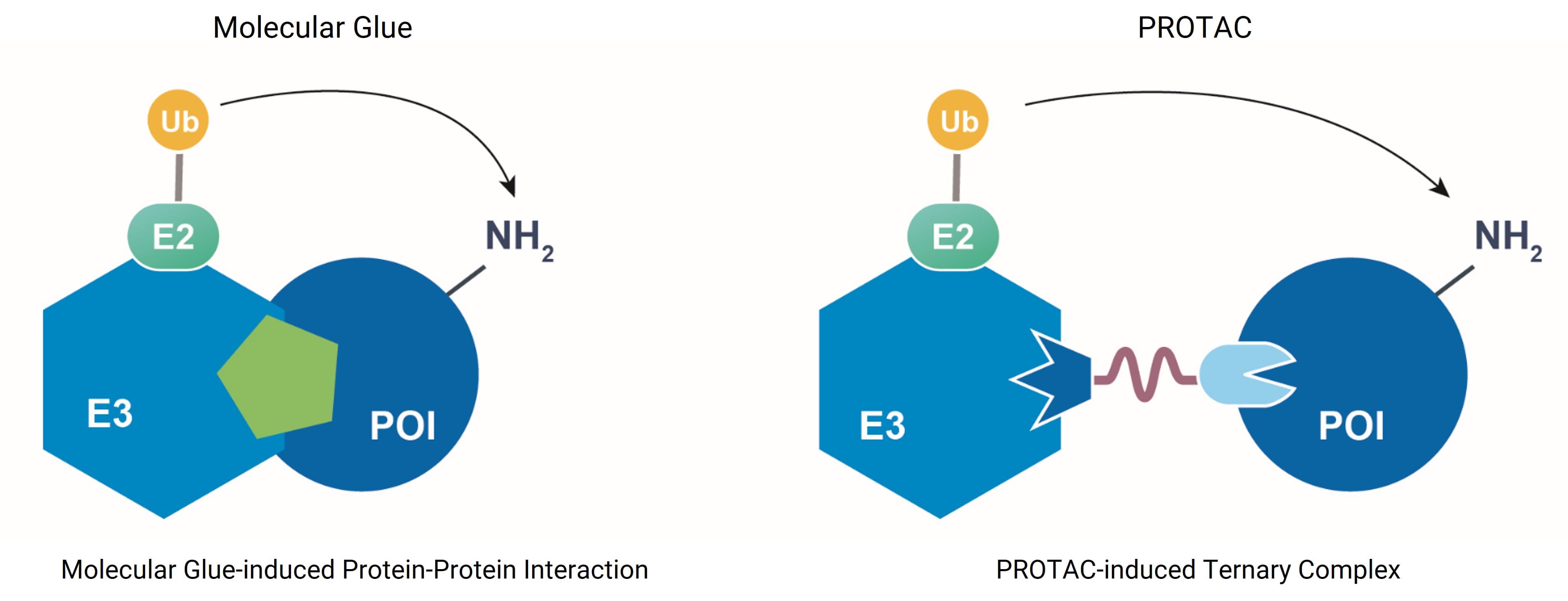
Figure 7 Comparison of the mechanism of action between molecular glues and PROTACs. Source: Drawn by the author. [11]
Summary
The development of PROTAC technology has provided unprecedented therapeutic options for drug development, with the most exciting potential ability to target “undruggable” targets. Despite the industry’s optimism towards some late-stage clinical studies, researchers still face challenges in optimizing the pharmacokinetic behavior of PROTACs without compromising their efficacy. By modifying the structure of PROTAC molecules, such as modifying the linker, introducing intramolecular hydrogen bonds, designing as prodrugs, as well as selecting appropriate administration methods, such as administering with meals, the oral bioavailability of PROTAC molecules can be enhanced. It is hoped that academic and industrial researchers in the field of drug development will collaborate to address the challenges in pharmacokinetics faced by PROTACs and unleash their enormous potential.
*PROTAC® is a registered trademark of Arvinas. In this article, PROTAC specifically refers to the abbreviation of Proteolysis-Targeting Chimera as therapeutic modalities.
Author: Liping Ma, Jie Hu, Chengyuan Li, Jing Jin
Talk to a WuXi AppTec expert today to get the support you need to achieve your drug development goals.
Committed to accelerating drug discovery and development, we offer a full range of discovery screening, preclinical development, clinical drug metabolism, and pharmacokinetic (DMPK) platforms and services. With research facilities in the United States (New Jersey) and China (Shanghai, Suzhou, Nanjing, and Nantong), 1,000+ scientists, and over fifteen years of experience in Investigational New Drug (IND) application, our DMPK team at WuXi AppTec are serving 1,600+ global clients, and have successfully supported 1,800+ IND applications.
Reference
[1] Cantrill C, Chaturvedi P, Rynn C, Schaffland JP, Walter I, Wittwer MB. Fundamental aspects of DMPK optimization of targeted protein degraders. Drug Discovery Today. 2020 Jun 1;25(6):969-82.
[2] Poongavanam V, Kihlberg J. PROTAC cell permeability and oral bioavailability: a journey into uncharted territory. Future Medicinal Chemistry. 2022 Feb;14(3):123-6.
[3] Pike A, Williamson B, Harlfinger S, Martin S, McGinnity DF. Optimising proteolysis-targeting chimeras (PROTACs) for oral drug delivery: a drug metabolism and pharmacokinetics perspective. Drug Discovery Today. 2020 Oct 1;25(10):1793-800.
[4] Farnaby W, Koegl M, Roy MJ, Whitworth C, Diers E, Trainor N, Zollman D, Steurer S, Karolyi-Oezguer J, Riedmueller C, Gmaschitz T. Publisher Correction: BAF complex vulnerabilities in cancer demonstrated via structure-based PROTAC design. Nature Chemical Biology. 2019 Aug;15(8):846-.
[5] Goracci L, Desantis J, Valeri A, Castellani B, Eleuteri M, Cruciani G. Understanding the metabolism of proteolysis targeting chimeras (PROTACs): the next step toward pharmaceutical applications. Journal of Medicinal Chemistry. 2020 Oct 7;63(20):11615-38.
[6] Poongavanam V, Kihlberg J. PROTAC cell permeability and oral bioavailability: a journey into uncharted territory. Future Medicinal Chemistry. 2022 Feb;14(3):123-6.
[7] Atilaw Y, Poongavanam V, Svensson Nilsson C, Nguyen D, Giese A, Meibom D, Erdelyi M, Kihlberg J. Solution conformations shed light on PROTAC cell permeability. ACS Medicinal Chemistry Letters. 2020 Dec 25;12(1):107-14.
[8] Atilaw Y, Poongavanam V, Svensson Nilsson C, Nguyen D, Giese A, Meibom D, Erdelyi M, Kihlberg J. Solution conformations shed light on PROTAC cell permeability. ACS Medicinal Chemistry Letters. 2020 Dec 25;12(1):107-14.
[9] Wei M, Zhao R, Cao Y, Wei Y, Li M, Dong Z, Liu Y, Ruan H, Li Y, Cao S, Tang Z. First orally bioavailable prodrug of proteolysis targeting chimera (PROTAC) degrades cyclin-dependent kinases 2/4/6 in vivo. European journal of medicinal chemistry. 2021 Jan 1;209:112903.
[10] Maneiro M, De Vita E, Conole D, Kounde CS, Zhang Q, Tate EW. PROTACs, molecular glues and bifunctionals from bench to bedside: Unlocking the clinical potential of catalytic drugs. Progress in medicinal chemistry. 2021 Jan 1;60:67-190.
[11] Liang Shen, editor. Drug Metabolism and Pharmacokinetics: Frontiers, Strategies, and Applications. Wiley. 2025. http://doi.org/10.1002/9781394300150


Related Services and Platforms


-
 Novel Drug Modalities DMPK Enabling PlatformsLearn More
-
PROTAC DMPK ServicesLearn More
-
ADC DMPK ServicesLearn More
-
Antibody-Oligonucleotide Conjugate (AOC) DMPK ServicesLearn More
-
Oligo DMPK ServicesLearn More
-
PDC DMPK ServicesLearn More
-
Peptide DMPK ServicesLearn More
-
mRNA DMPK ServicesLearn More
-
Covalent Drugs DMPK ServicesLearn More
Stay Connected
Keep up with the latest news and insights.

