



FDA-Approved Drugs in 2025: Overview of Human Pharmacokinetics (PK) and Drug-drug Interactions (DDI)
-

Articles
-

Jun 05, 2026
The U.S. FDA (CDER) approved 46 new drugs in 2025; this article reviews data detailing the absorption, distribution, metabolism, excretion (ADME) data, and reported drug-drug interactions (DDI) for these 46 drugs [1] (see the appendix for the downloadable data summary). Key trends from these data include: among the 2025 FDA-approved small molecules reviewed here, CYP3A4/5 remains the primary metabolic enzyme; biologics are primarily cleared via the reticuloendothelial system/protein hydrolysis and exhibit characteristics such as target-mediated drug disposition (TMDD) and neonatal Fc receptor (FcRn) mediated elimination [3,4]; the payload in antibody-drug conjugates (ADC) is often metabolized by CYP3A4/5 and generally needs separate evaluation; siRNA and antisense oligonucleotides (ASO) show overall low CYP DDI risks but possess off-target toxicity and transport-related risks. Due to space constraints, this article provides a detailed review of ten representative drugs, while the remaining data are summarized in a table for use in R&D, clinical practices, and regulatory review.
In recent years, drug development has diversified into novel molecular entities such as ADCs, bispecific antibodies, fusion proteins, and oligonucleotides, while regulators emphasize a balance between efficacy and safety. Among the 46 FDA-approved drugs in 2025, small molecules still dominate, but the proportion of biologics and oligonucleotides has significantly increased (see Figure 1), with a notable percentage being orphan drugs and breakthrough therapy designations. The diversification of delivery methods (such as subcutaneous long-term administration of monoclonal antibodies combined with hyaluronidase) and first-in-class drugs has added complexity to DMPK/PKPD and DDI evaluations. This article provides a compilation of human DMPK/ADME/DDI data and trend summaries to serve as a convenient reference for R&D decision-making, clinical management, and regulatory review.
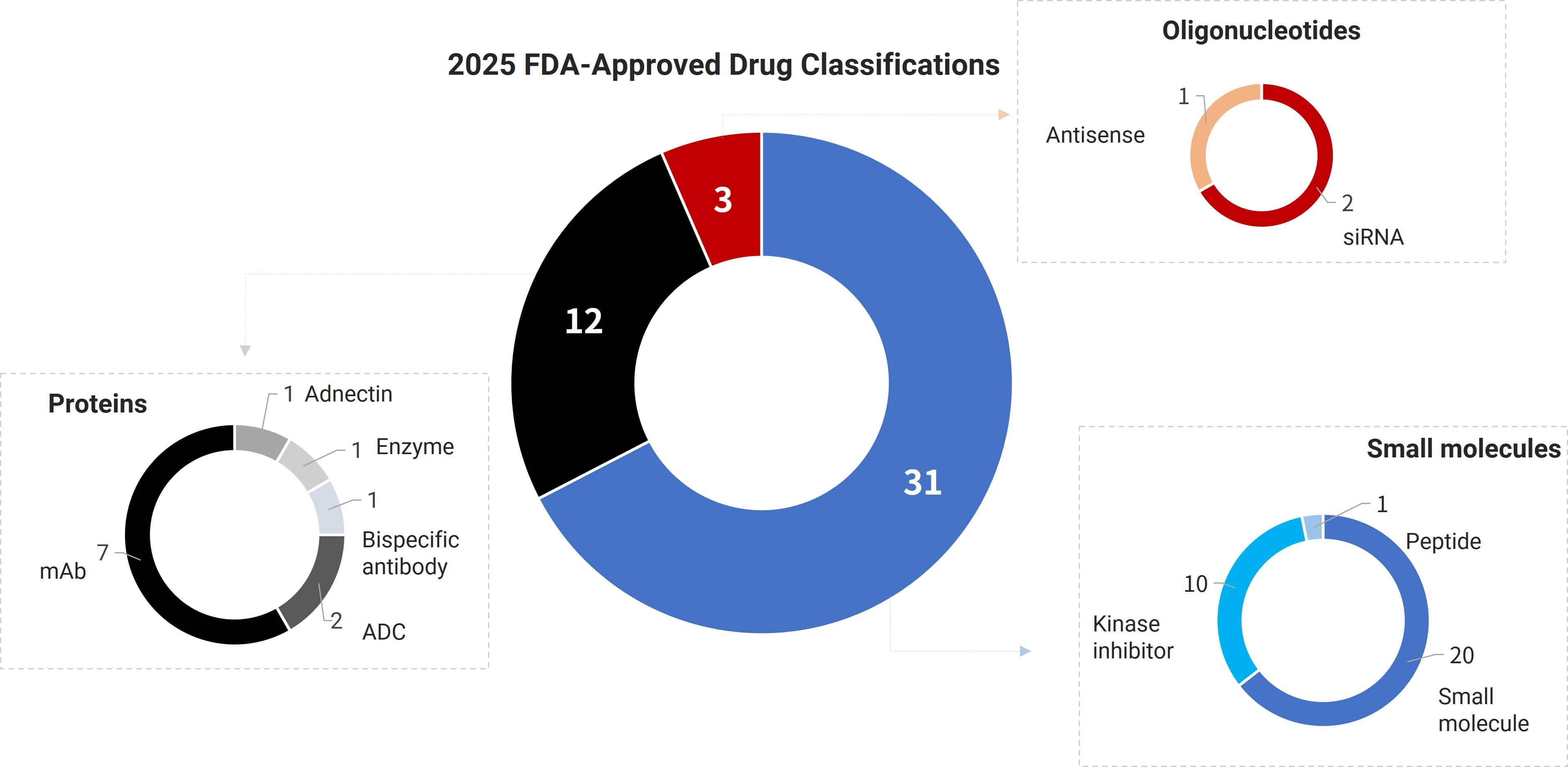
Figure 1. Classification of FDA-approved drugs in 2025
Overview of FDA New Drug Approvals in 2025
In 2025, the FDA (CDER) approved a total of 46 new drugs, with 18 (39%) receiving Fast Track designation [2]. This is a slight decrease from the 50 approved in 2024, but the proportion of innovative drugs has increased. In terms of molecular type/formulation, small molecules account for 67% (31/46, including one peptide with a molecular weight of 749.2), antibody and related formulations represent 20% (9/46), and the remainder (ADC, fusion proteins, siRNA/ASO, etc.) make up 13% (6/46) (see Figure 1). In terms of indication distribution, oncology and autoimmune diseases account for the highest proportions (approximately 43%), with significant increases in blood disorders and coagulation disorders; the rest include neurological disorders, infections, respiratory, and metabolic diseases (see Figure 2). The overall trend is "fewer but more refined, winning by quality," with an increase in first-in-class and rare disease drugs (see Figure 3, Table 1). Half of the FDA-approved new drugs received orphan drug designation [2].
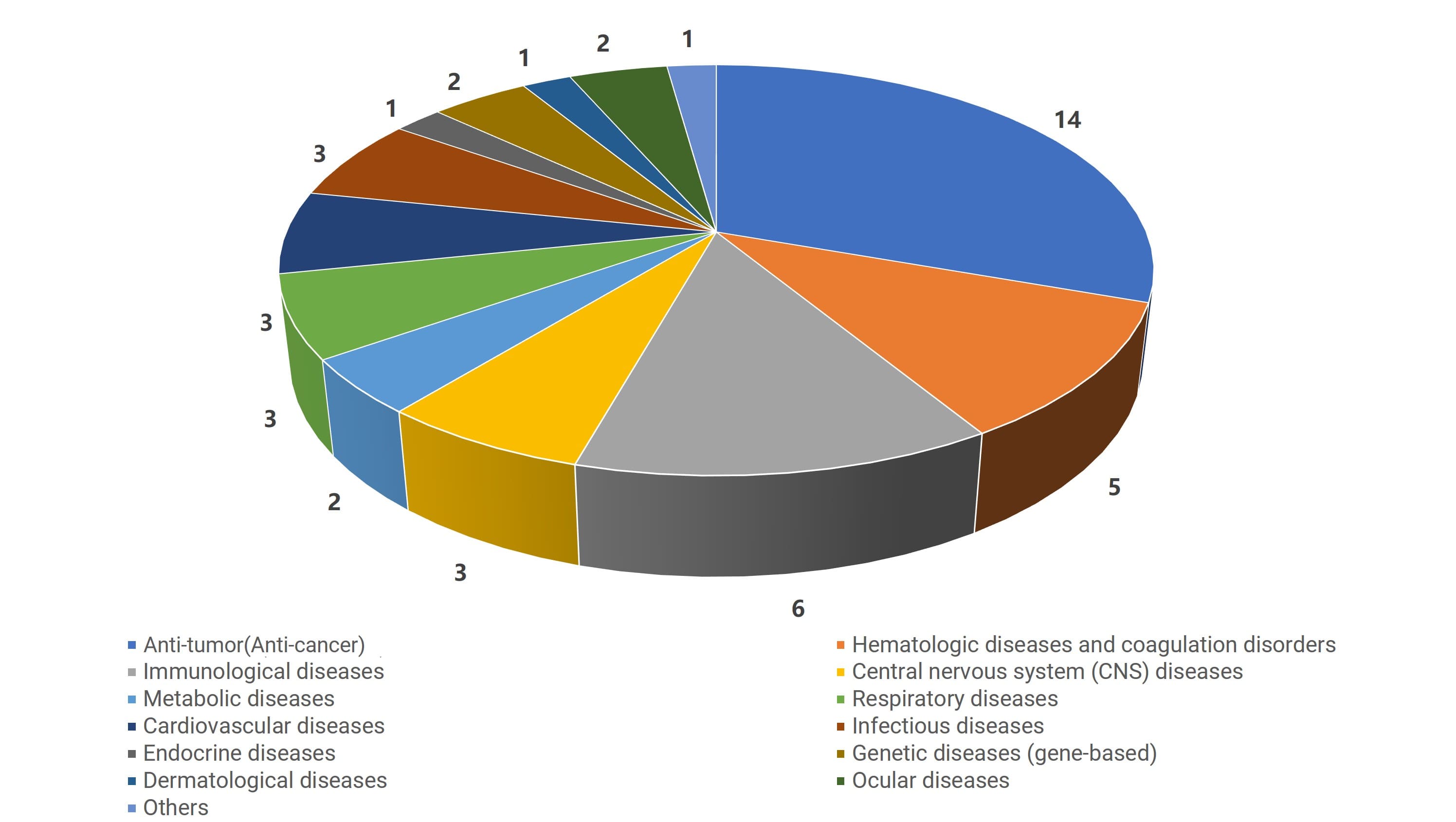
Figure 2. Overview of disease areas for new drugs approved by the FDA in 2025
First-in-class drug: Mechanism of action differs from existing therapies.
Rare disease (orphan drug): Diseases affecting fewer than 200,000 people in the U.S.
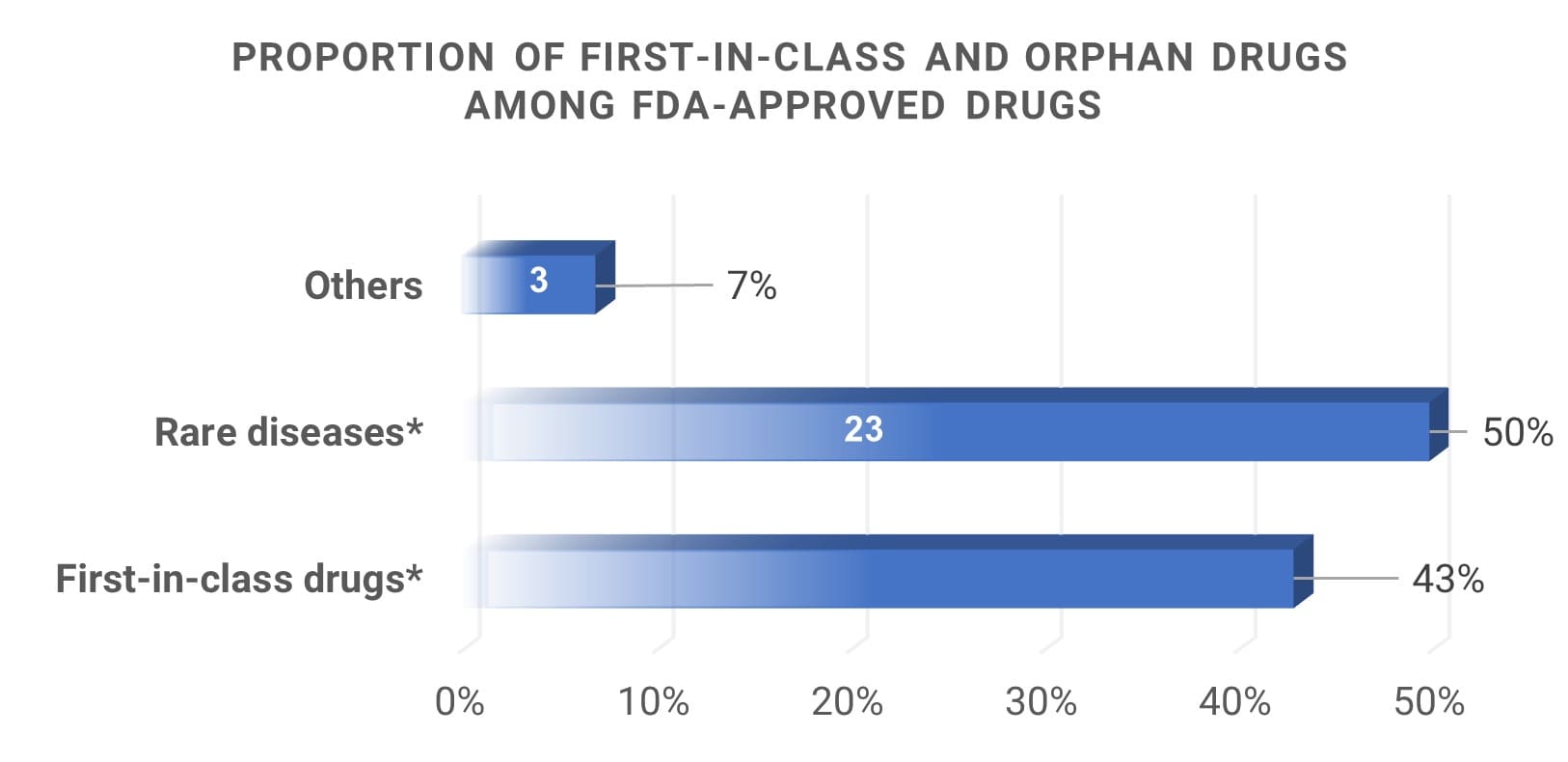
Figure 3. Proportion of first-in-class and rare disease drugs among FDA-approved drugs in 2025
Table 1. Representative first-in-class and rare disease drugs approved by the FDA in 2025.
Representative drug names | Molecular type | Sponsor company | Category | Indication/Mechanism of action (MOA) | |
First-in-class drug | Rare disease | ||||
Journavx | Small molecule | Vertex | √ |
| Non-opioid analgesic (NaV1.8 inhibitor) for the treatment of moderate to severe acute pain, avoiding the risk of addiction |
Qfitlia | siRNA | Sanofi | √ | √ | First antithrombin (AT)-lowering therapy (siRNA technology) for hemophilia A/B, reducing bleeding frequency |
Forzinity | Synthetic peptide | Stealth BioTherapeutics |
| √ | The world’s first drug for Barth syndrome (a mitochondrial disease) |
Kygevvi | Small molecule | UCB |
| √ | First therapy for thymidine kinase 2 deficiency (oral solution) |
Voyxact | Monoclonal antibody (mAb) | Otsuka | √ |
| Novel mechanism therapy for IgA nephropathy, reducing proteinuria and preserving renal function |
Tryptyr | Small molecule | Alcon | √ |
| First TRPM8 agonist for dry eye disease |
Emrelis | ADC | AbbVie | √ | √ | First c-Met-targeting ADC for c-Met-overexpressing non-squamous non-small cell lung cancer |
Jascayd | Small molecule | Boehringer Ingelheim | √ | √ | First-in-class drug targeting PDE4B for adult idiopathic pulmonary fibrosis |
Blujepa | Small molecule | GSK | √ |
| First-in-class treatment for uncomplicated urinary tract infection in women aged 12 years and older weighing ≥40 kg |
Avmapki Fakzynja | Small molecule | Verastem | √ |
| First MEK inhibitor + FAK inhibitor combination for KRAS-mutant ovarian cancer |
Komzifti | Small molecule | Kura Oncology |
| √ | First menin inhibitor for NPM1-mutant acute myeloid leukemia |
Four Major Trends and Highlights of 2025 FDA Drug Approvals
Oncology Drugs Continue to Lead, with More Molecular Types and Indications
Oncology drug indications exhibit more refinement, continuously deepening the capabilities of precise targeting: about 16 oncology-related drugs were approved (see Figure 4), with a notable proportion of oral targeted small molecules aimed at specific gene mutations (such as EGFR Exon 20, HER2 TKD), which facilitate the precise design of targeted DMPK/PD strategies. Additionally, ADCs and T-cell engagers (TCE) dual-specific antibodies show promise, with the former emphasizing high-expression molecular markers (such as HER2, c-Met).
Drug development for indications is leaning towards precise classification, with therapies approved for rare cancers or tumors (including recurrent types) such as low-grade serous ovarian cancer, diffuse gliomas, acute myeloid leukemia, and non-small cell carcinoma with HER2 (ERBB2) activating mutations, all featuring entirely new mechanisms for approval. Central nervous system drugs targeting specific molecules have also seen breakthroughs (e.g., Journavx, Nereus, and Lynkuet).
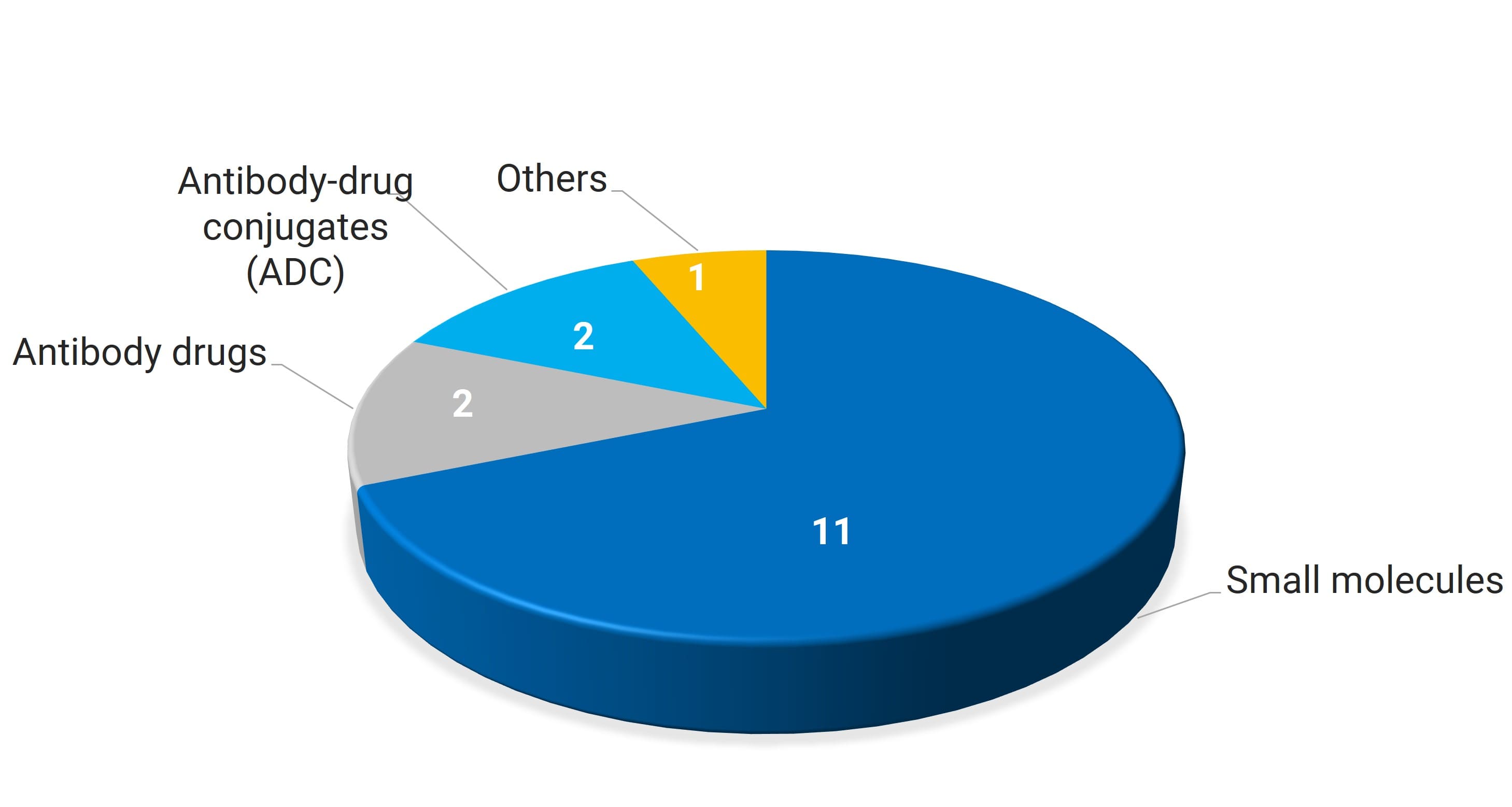
Figure 4. Proportions of molecular types for FDA-approved oncology drugs in 2025
A Clear Focus on the Evaluation of Rare Diseases and Orphan Drugs
Three siRNA/ASO therapies (fitusiran, donidalorsen, plozasiran) and 20 targeted small molecules have been approved, covering rare diseases such as Barth syndrome, acromegaly, systemic severe myasthenia gravis, idiopathic pulmonary fibrosis, and hemophilia. This reflects a trend toward advancing precision medicine with priority approvals and active biomarker (such as gene mutation) development that precision-targets early intervention in the market covering metabolic defects, mitochondrial diseases, and amino acid metabolism abnormalities.
Among the 46 new drugs approved, 15 (33%) were designated breakthrough therapies [2], and drugs for rare diseases included both symptomatic control and substantial long-term therapies for disease modification (monthly, quarterly, semiannual dosing; see Table 2).
Table 2. Representative long-term therapies among FDA-approved drugs in 2025.
Drug Name | Indication | Mechanism of action / Characteristics | Administration frequency |
Redemplo (plozasiran) | Familial Chylomicronemia Syndrome (FCS) | RNAi therapy that inhibits APOC3 protein, enhancing triglyceride clearance | Quarterly administration (once every three months) |
Lerochol (lerodalcibep-liga) | Adult Hypercholesterolemia (Including Heterozygous Familial Hypercholesterolemia, HeFH) | Engineered polypeptide fusion protein targeting PCSK9, reducing low-density lipoprotein cholesterol (LDL-C) levels | Subcutaneous injection once every month |
Dawnzera (donidalorsen) | Hereditary Angioedema (HAE) | Antisense oligonucleotide (ASO) targeting prekallikrein for prophylactic control of attacks | Subcutaneous injection once every four weeks |
Exdensur (depemokimab-ulaa) | Severe Asthma with Eosinophilic Phenotype in Patients Aged 12 Years and Older | Ultra-long-acting monoclonal antibody that precisely inhibits IL-5 (interleukin-5), significantly improving the inflammatory process of eosinophilic asthma | Subcutaneous injection once every six months |
Qfitlia (fitusiran)* | Prevention or Reduction of Bleeding Episodes in Hemophilia A or B | First-in-class RNA interference (RNAi) therapy targeting antithrombin (AT) in the liver to rebalance hemostasis | Subcutaneous injection once every two months |
Voyxact (sibeprenlimab-szsi)* | Primary Immunoglobulin A (IgA) Nephropathy at Risk of Disease Progression | First-in-class APRIL (a proliferation-inducing ligand) blocker, intervening in the core pathogenic pathway of IgAN | Subcutaneous injection once every four weeks |
Diversification of Administration Methods and Molecular Types
New drugs approved by the FDA in 2025 not only illustrate improvements and optimizations, including subcutaneous long-term delivery (quarterly/semiannual), but also include alternatives to various intravenous routes (e.g., Keytruda, Qlex), nasal sprays, single-use eye drops, and oral granules, greatly enhancing patient compliance and accessibility.
Fusion proteins (Adnectin, such as non-antibody PCSK9 inhibitors) and various macromolecular platforms are emerging as new options to supplement or replace existing antibody and small molecule therapies.
Common Characteristics and Major Potential Risks Related to DMPK/DDI
CYP3A (mainly CYP3A4/5) remains the core enzyme system for the metabolism of small molecules; ADC payloads are often metabolized by CYP3A and require separate assessment of in vivo exposure and DDI risk.
Biologics demonstrate characteristics of TMDD, FcRn-mediated elimination, and clearance via the reticuloendothelial system.
While siRNA/ASO generally has low overall CYP DDI risk, off-target toxicity and transport-related specific risks exist. Due to differences in delivery systems (e.g., GalNAc) and chemical modifications, specific risks should be assessed on a case-by-case basis, combined with clinical exposure evidence, as in the representative drug Redemplo (plozasiran).
These changes necessitate earlier and more systematic DMPK/PKPD and DDI evaluation strategies and contemporary assessment frameworks.
Common Observations in Safety and Pharmacokinetics (DMPK)
CYP3A4-related DDI: A number of orally administered small molecules (mostly kinase/enzyme inhibitors or anti-infectives) are mainly metabolized or modulated by CYP3A4/5, indicating that strict management is required when co-administered with potent CYP3A4/5 inhibitors or inducers; dose adjustments or avoidance may be necessary with strong CYP3A4/5 inhibitor itraconazole or strong CYP3A4/5 inducer rifampicin.
Biologics with long half-lives: Most are cleared through the reticuloendothelial system or protein hydrolysis and support monthly, quarterly, or semiannual dosing (some support self-administered subcutaneous injection).
ADC drugs exhibit characteristics combining large molecule antibodies and small molecule toxic payloads: The antibody portion displays typical antibody PK characteristics (small distribution volume, half-life of several days); payloads such as MMAE or DXd are usually metabolized by CYP3A4/5 and present corresponding DDI risks.
Significant differences in oral bioavailability: Some approved small molecule drugs exhibit notable food effects (some require fasting or coadministration with food), and acid suppression agents/PPIs significantly impact certain drugs.
Key Indications Examples of 2025 FDA-Approved Drugs (Representative Products) [1, 6, 8, 9]
Typical Autoimmune Disease Drug FDA Approved in 2025: Rhapsido (Remibrutinib)
Indication: For adults with chronic spontaneous urticaria (CSU) poorly controlled by H1 antihistamines.
Target/Type: Bruton tyrosine kinase (BTK), small molecule covalent inhibitor.
Mechanism of Action: Inhibits BTK activity, blocking BCR and FcεRI mediated signals, suppressing mast cell/basophil activation and degranulation, reducing the release of inflammatory mediators to relieve hives and itching.
Approval/Sponsor: 2025-09-30; Novartis (NOVARTIS).
Administration: Oral tablets, standard dosing at 25 mg twice daily, can be taken with or without food. The whole tablet should be swallowed and not broken, crushed, or chewed.
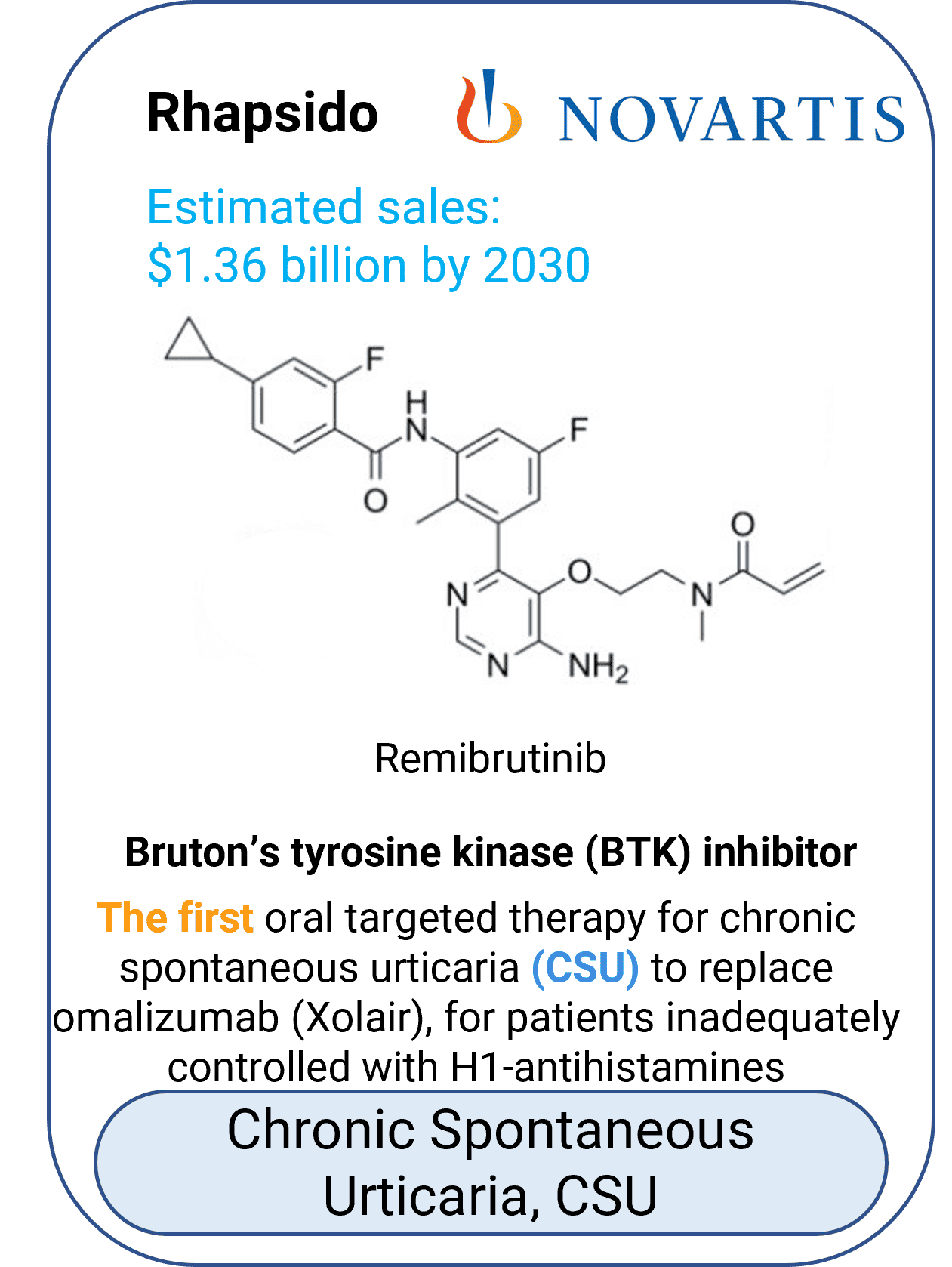
Pharmacokinetic and Drug-drug Interaction Characteristics: Recommended oral dose is 25 mg twice daily, with a cessation of 3-7 days before and after major surgery. Pharmacokinetics: steady-state Cmax about 57 ng/mL, AUClast about 193 ng·h/mL, Tmax about 1 h, half-life 1-2 h, plasma protein binding about 95%, large volume of distribution, dose-exposure relationship is nearly linear. Primarily metabolized by CYP3A4; approximately 70% of the administered radioactivity is excreted in feces, 30% in urine (about 2.9% unchanged). Minimal impact on renal function; liver damage significantly increases exposure (mild AUC about 2.3 times, severe about 3.5 times). Strong CYP3A4/5 inhibitors (ritonavir) increase Cmax by about 3.3 times and AUC by about 4.3 times; strong inducers decrease Cmax by about 74% and AUC by about 77%, co-administration should be avoided. Remibrutinib is a substrate for CYP3A4/P-gp, with potential effects on various CYPs and transporters in vitro; clinical practices should avoid or adjust for co-administration with strong or moderate CYP3A4/5 modulators, and enhanced monitoring is warranted when co-administered with P-gp/BCRP substrates like digoxin or rosuvastatin.
Typical Central Nervous System Drug FDA Approved in 2025: Journavx (Suzetrigine)
Indication: Treatment ofmoderate to severe acute pain, developed as a novel alternative therapy toaddress the opioid crisis.
Target/Type: Selective inhibitor of NaV1.8 voltage-gated sodiumchannels; small molecule oral tablets.
Mechanism of Action: NaV1.8 is expressed in peripheral sensory neurons(including dorsal root ganglia neurons) and participates in the conduction ofaction potentials for pain signals. Suzetrigine inhibits NaV1.8 channelactivity, blocking pain signals from being transmitted to the spinal cord andbrain, thus providing analgesic effects.
Approval/Sponsor: 2025-01-30; Vertex Pharmaceuticals.
Administration: Initial dose of 100 mg; after 12 hours, beginmaintenance dose of 50 mg every 12 hours.
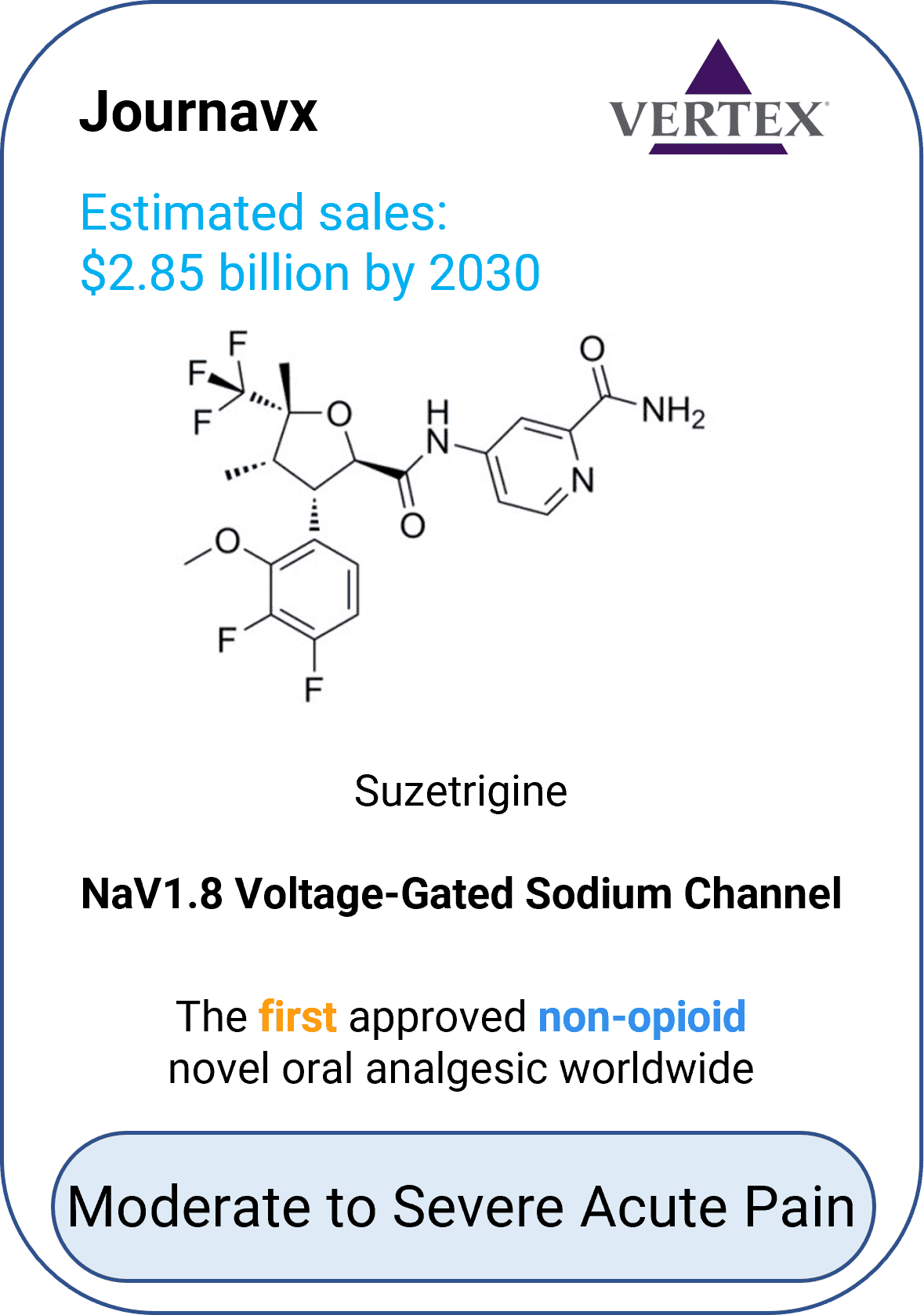
Pharmacokinetic and Drug-drug Interaction Characteristics: Recommended initial dose of 100 mg orally on an empty stomach, followed by 50 mg every 12 hours after the initial dose for 12 hours. Upon steady-state at the 50 mg dose, Cmax is about 0.62 µg/mL, AUC0‑24h about 11.5 µg·h/mL, with median Tmax at approximately 3 h; average terminal half-life is about 23.6 h, reaching 90% steady-state in about 3 days, and accumulation ratio is about 3.4. M6‑SUZ exhibits higher AUC and Cmax than the parent drug, with Tmax around 10 h and t1/2 about 33 h. Vd is approximately 495 L, and the plasma protein binding is around 99% for the parent drug and around 96% for the metabolite. Primarily metabolized by CYP3A4/5; recovery in feces is about 50% (with about 9.1% as the parent drug), and recovery in urine is about 44% (mostly as metabolites). Avoid co-administration with strong CYP3A4/5 inhibitors or inducers (inhibitors increase exposure/adverse effects, inducers decrease efficacy); avoid grapefruit consumption.
Typical Metabolic Disease Drug FDA Approved in 2025: Redemplo (Plozasiran)
Indication: For adults withfamilial chylomicronemia syndrome (FCS) as a dietary adjunctive treatment.
Target/Type: APOC3 mRNA; GalNAc-conjugatedsiRNA.
Mechanism of Action: Targets and degrades APOC3 mRNA via RNAi, reducingapoC-III expression and lowering chylomicrons and triglyceride levels.
Approval/Sponsor: 2025-11-18; Arrowhead Pharmaceuticals.
Administration: Prefilled syringe 0.5 mL (contains 25 mg plozasiransodium), 25 mg subcutaneously every three months (in the abdomen, thigh, orupper arm); must be used in conjunction with a low-fat diet (≤20 g of fat/day).
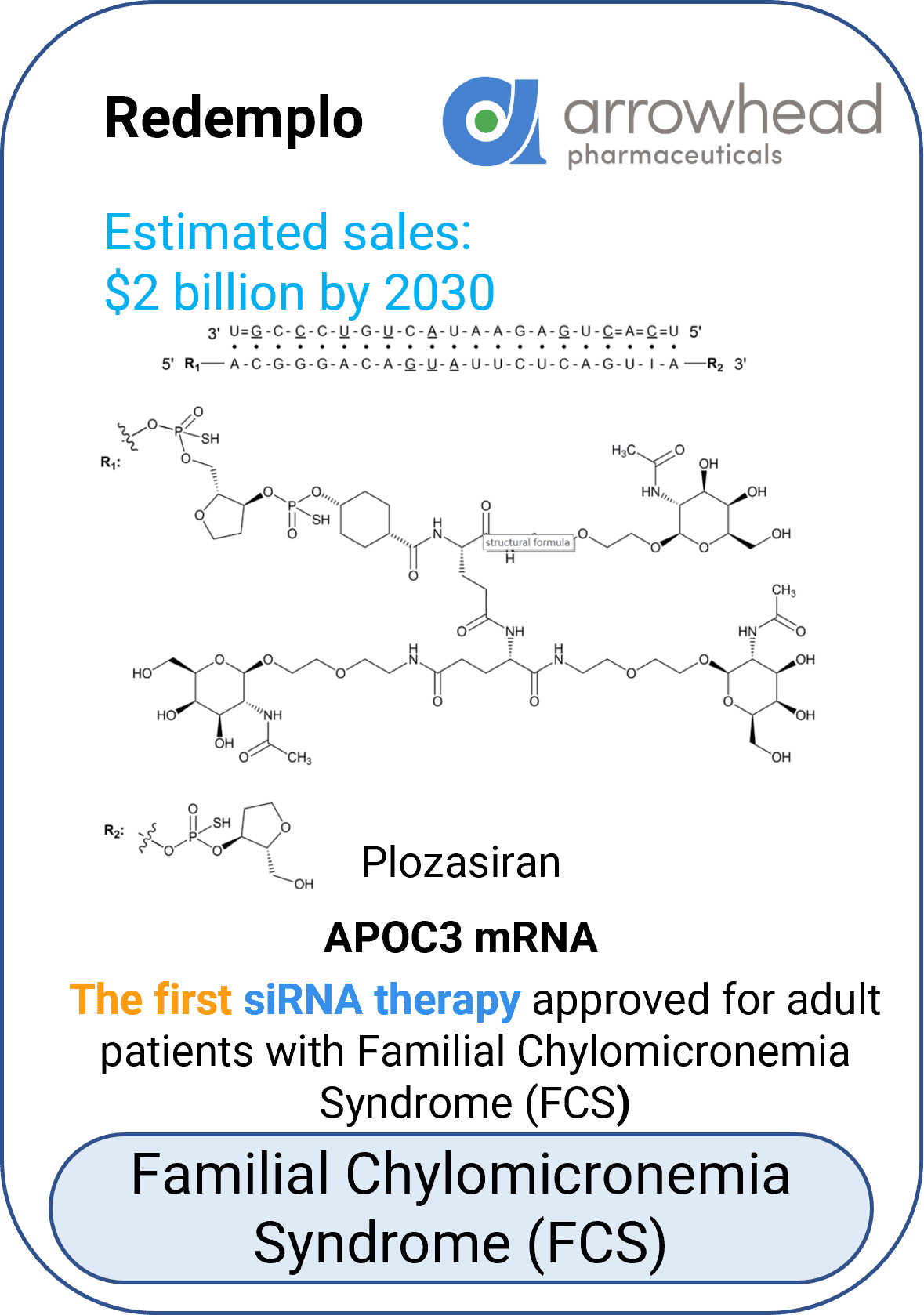
Pharmacokinetic and Drug-drug Interaction Characteristics: Recommended dose of 25 mg (0.5 mL solution), administered subcutaneously every 3 months (a total of 4 doses per year). Redemplo (plozasiran) employs a GalNAc delivery system, specifically targeting liver cells (uptake rate >90%), Cmax about 68.5 ng/mL, Tmax around 6 h; terminal plasma half-life about 3‑4 h. Plasma protein binding is about 78%; apparent clearance rate is approximately 33.8 L/h, with an apparent Vd of about 146 L, primarily distributed in the liver; hepatic delivery through GalNAc results in prolonged effects for several months, leading to quarterly dosing; the drug does not rely on hepatic enzymes for metabolism and is primarily degraded by nucleases (non-CYP); renal excretion is predominant, with a recovery rate in urine of approximately 16‑19%. In vitro DDI studies indicate no significant drug-drug interaction with common medications (such as statins, warfarin); nor is it a substrate or inhibitor of CYP450 or major transporters.
Typical Oncology Drug FDA Approved in 2025: Datroway (Datopotamab Deruxtecan dlnk, ADC, Trop 2)
Indication: For the treatment of unresectable or metastatic, hormone receptor-positive, HER2-negative breast cancer in patients previously treated with endocrine therapy and chemotherapy for metastatic disease.
Target/Type: Trop-2; humanized IgG1 antibody conjugated drug (ADC).
Mechanism of Action: An antibody-drug conjugate targeting the tumor surface Trop-2, composed of a humanized IgG1 antibody linked through a cleavable linker to the topoisomerase I inhibitor DXd. The process involves: the antibody specifically recognizes and binds to cell surface Trop-2 → ADC is internalized → cleavable linker in the lysosome is selectively cleaved by enzymes, releasing the membrane-permeable DXd → DXd inhibits topoisomerase I, causing DNA damage and inducing apoptosis.
Approval/Sponsor: 2025-01-17; AstraZeneca & Daiichi Sankyo.
Administration: 6 mg/kg, intravenous infusion once every three weeks, with a maximum dose of 540 mg for patients weighing ≥90 kg; the drug is a lyophilized powder (100 mg/vial), requiring reconstitution with sterile water for injection, then dilution with 5% dextrose injection for infusion.
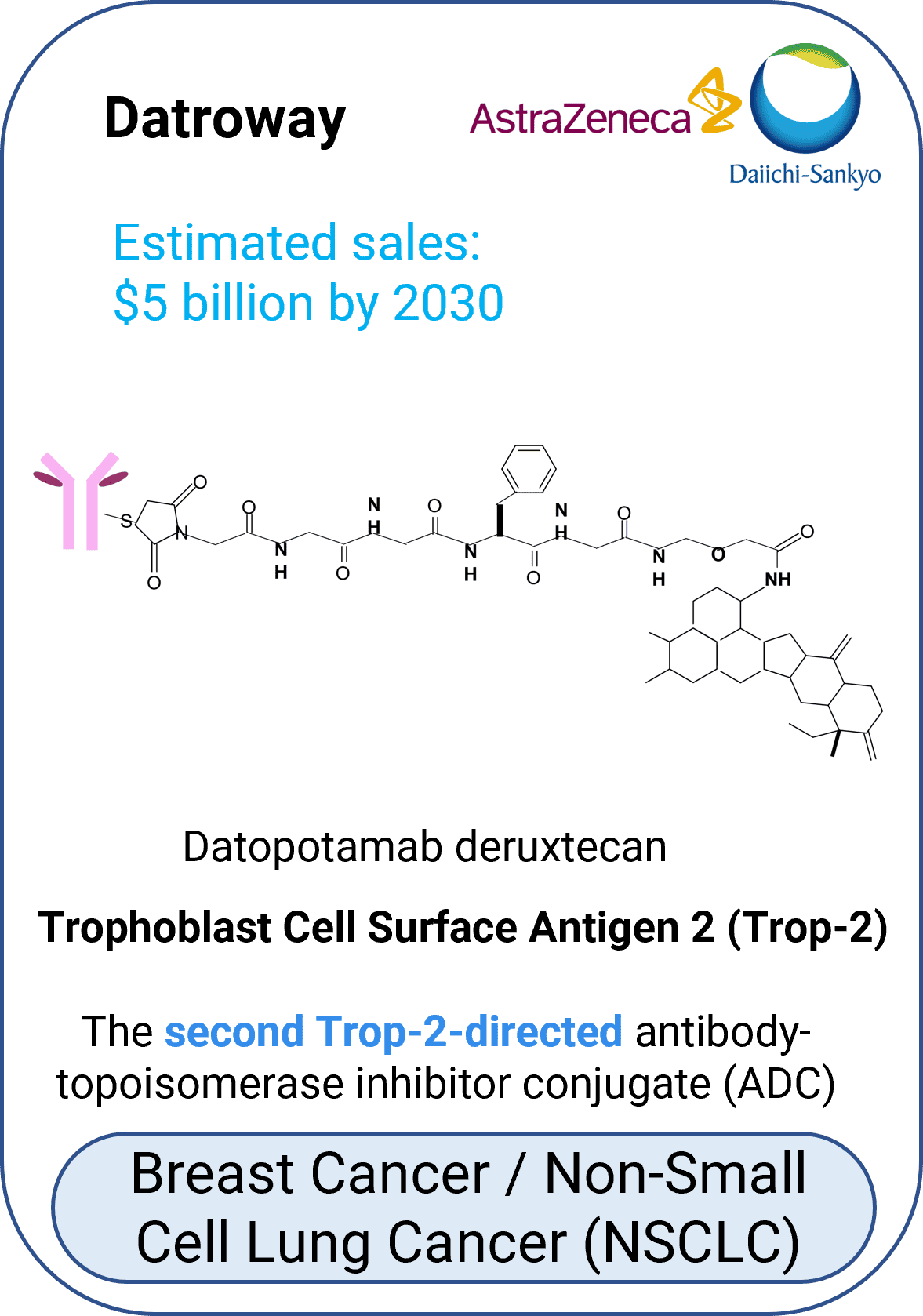
Pharmacokinetic and Drug-drug Interaction Characteristics: The recommended dose is 6 mg/kg (based on actual body weight), administered over 90 minutes. No clinically significant accumulation was observed during the first to third weeks after the initial dose. The Cmax of the antibody component is about 154 µg/mL, AUC about 671 µg·day/mL; the released cytotoxic payload DXd has a Cmax of approximately 2.8 ng/mL, AUC of about 18 ng·day/mL; exposure to DXd at doses between 4‑10 mg/kg is approximately proportional to the dose. The average Vd of the ADC is about 3.5 L; ADC clearance is approximately 0.6 L/day; the median terminal half-life of the ADC is about 4.8 days (range 1.0‑8.2 days); the median apparent half-life of free DXd is about 5.5 days (3.2‑8.8 days). The plasma protein binding of DXd is about 98%, with a whole blood/plasma concentration ratio of about 0.6. The antibody portion is degraded through the reticuloendothelial system/protein hydrolysis into peptides and amino acids. In vitro studies show that DXd is primarily metabolized by CYP3A4, and in vivo studies indicate that DXd is mainly excreted via bile/feces; the chances of clinically causing CYP enzyme-mediated interactions are low for ADCs; however, released DXd is a substrate for CYP3A4 and also interacts with major transporters such as OATP1B1/OATP1B3, MATE2-K, P-gp, MRP1, and BCRP. Strong CYP3A inhibitors or inhibitors of these transporters may increase DXd exposure, necessitating caution and close monitoring or avoidance of co-administration; at clinical concentrations, DXd does not significantly inhibit or induce major CYP enzymes nor significantly inhibit most common transporters.
Summary
This article systematically compiles and analyzes human DMPK/ADME and DDI characteristics of 46 FDA-approved new drugs in 2025, based on FDA CDER approval data. The analysis reveals several key patterns: CYP3A4/5 remains the primary metabolic enzyme for small molecule drugs, while biologics exhibit characteristics of clearance via the reticuloendothelial system and FcRn-mediated elimination. ADCs require simultaneous evaluation of the antibodies and released payloads' ADME characteristics, while siRNA/ASO shows overall low CYP DDI risk, but interactions related to delivery systems and transporters should not be overlooked. The diversification of administration methods and platforms (e.g., long-term subcutaneous administration, subcutaneous alternatives to intravenous administration) complicates DMPK/PKPD and DDI evaluations.
Based on these observations, we emphasize that DMPK studies should be integrated throughout the entire drug development process, with systematic in vitro metabolic assessments conducted during the early to mid-stages. Taking ADCs as an example, early evaluation of plasma stability in in vitro studies should be prioritized, with comprehensive biological analyses conducted on in vivo samples (ADC/total antibody/free payload/linker payload metabolites) and performing anti-drug antibody (ADA) assessments and tissue/tumor exposure evaluations to characterize the drug's ADME characteristics while monitoring liver function and DDI risks; designing detailed PK/PD studies and safety assessments in the early clinical stages should proceed in sync. Sample collection must be comprehensive, including plasma, whole blood, feces, urine, tumor biopsy, etc., and based on results, material submissions and labeling should detail co-administration considerations, liver function adjustments, and monitoring guidelines. For ADCs, independent assessments of payload metabolism, transporter interactions, and tissue distributions should be additionally emphasized.
Overall, faced with diversified molecular platforms and delivery methods, R&D teams and regulatory agencies should consider DMPK as a core element throughout drug development decision-making: with rigorous in vitro and in vivo data chains and existing tools, precisely identifying and managing DDI and special population risks to ensure the clinical efficacy and safety of innovative drugs. The appendix of this article provides downloadable summary data on the DMPK/ADME/DDI profiles of 46 drugs, serving as a reference for R&D, clinical, and regulatory purposes.
WuXi AppTec DMPK has accumulated extensive experience across various fields, including small molecules, oligonucleotides, peptides, antibody drugs, and other modalities, with deep expertise in ADME screening and optimization. This enables us to help clients accelerate project progression into clinical stages and facilitate the early identification and mitigation of potential risks throughout clinical development.
Authors: Yan Pan, Qian Cui, Yingqi Xu, Lijuan Hou, Qigan Cheng, Jing Jin
Talk to a WuXi AppTec expert today to get the support you need to achieve your drug development goals.
Committed to accelerating drug discovery and development, we offer a full range of discovery screening, preclinical development, clinical drug metabolism, and pharmacokinetic (DMPK) platforms and services. With research facilities in the United States (New Jersey) and China (Shanghai, Suzhou, Nanjing, and Nantong), 1,000+ scientists, and over fifteen years of experience in Investigational New Drug (IND) application, our DMPK team at WuXi AppTec are serving 1,600+ global clients, and have successfully supported 1,800+ IND applications.
Reference
[1] U.S. Food and Drug Administration. (2025). Novel drug approvals for 2025. http://www.fda.gov/drugs/novel-drug-approvals.
[2] U.S. Food and Drug Administration. (2025). Advancing health through innovation: New drug therapy approvals 2025. U.S. Department of Health and Human Services. http://www.fda.gov.
[3] U.S. Food and Drug Administration. (2023). Guidance for industry: Drug-drug interaction studies. http://www.fda.gov/media/ddi-guidance.
[4] U.S. Food and Drug Administration. (2024). M12 drug interaction studies: Questions and answers. http://www.fda.gov/media/m12-guidance.
[5] European Medicines Agency. (2024). Guideline on physiologically based pharmacokinetic (PBPK) modeling in drug development. http://www.ema.europa.eu/pbpk-guideline.
[6] Zhang, L., Williams, K. T., & Chen, M. (2024). ADMET trends in targeted therapies. Nature Reviews Drug Discovery, 23(5), 345‑360. http://doi.org/10.1038/nrd.2024.001
[7] International Council for Harmonisation. (2024). ICH harmonised guideline: Drug interaction studies M12. http://www.ich.org/m12-guideline.
[8] Koester, D. C. (2025, December). Top 10 most popular Drug Hunter reviews of 2025. Drug Hunter. http://www.drughunter.com/top-reviews-2025
[9] Park, A., & Taylor, N. P. (2025, November 30). Top 10 most anticipated drug launches of 2025. Fierce Pharma. http://www.fiercepharma.com/top-drug-launches-2025
[10] Nature Reviews Drug Discovery. (2025). http://www.nature.com/nrd
[11] Okajima, D., Yasuda, S., Maejima, T., et al. (2021). Datopotamab Deruxtecan, a Novel TROP2-Directed Antibody-Drug Conjugate, Demonstrates Potent Antitumor Activity by Efficient Drug Delivery to Tumor Cells. Molecular Cancer Therapeutics, 20(12), 2329‑2340. http://doi.org/10.1158/1535-7163.MCT-21-0206


ON THIS PAGE

Related Resources


Related Services and Platforms


-
 Novel Drug Modalities DMPK Enabling PlatformsLearn More
-
PROTAC DMPK ServicesLearn More
-
ADC DMPK ServicesLearn More
-
Antibody-Oligonucleotide Conjugate (AOC) DMPK ServicesLearn More
-
Oligo DMPK ServicesLearn More
-
PDC DMPK ServicesLearn More
-
Peptide DMPK ServicesLearn More
-
mRNA DMPK ServicesLearn More
-
Covalent Drugs DMPK ServicesLearn More
Stay Connected
Keep up with the latest news and insights.

