



Viscosity Reduction Formulation Strategies for High-Concentration Injectables
-

Blogs
-

May 08, 2026
As expectations for patient adherence and convenience rise, many macromolecule drugs, especially therapeutic antibodies and the new wave of injectable weight loss drug therapies, are shifting from traditional intravenous infusion (IV) to subcutaneous injection (SC). This shift requires delivering high doses (tens to hundreds of milligrams) in relatively small volumes (typically 1–1.5 mL, and sometimes up to 2–5 mL). High-concentration macromolecule solutions, however, commonly face sharply increased viscosity, difficult injection force, injection-site pain, and higher aggregation risk at elevated concentrations. To address these challenges, scientists focused on injectable formulation development have created two specialized strategies leveraging viscosity reduction excipients for injectables.
Strategy 1: Co-Formulation with Tissue Permeability Enzymes (rHuPH20)
The most representative example is recombinant human hyaluronidase PH20 (rHuPH20). This enzyme can be co-formulated in the same solution with monoclonal antibodies and similar drugs, or used as a companion in combination injection approaches. rHuPH20 targets hyaluronic acid (HA), a major component of the subcutaneous connective tissue extracellular matrix. By enzymatically degrading HA, it can markedly reduce subcutaneous tissue viscosity and resistance within minutes and temporarily remodel the interstitial structure, creating a larger “temporary depot” and a more open “channel” for dispersion [1].
This mechanism enables larger injection volumes (e.g., single injections >1.5 mL, potentially up to 5 mL or more) to disperse rapidly in the subcutaneous space and be absorbed into systemic circulation. With rHuPH20, several antibody therapies that previously required longer IV infusions have successfully launched SC versions, substantially shortening administration time (to just minutes) and improving convenience and the overall treatment experience. Examples include Herceptin/trastuzumab, MabThera/rituximab, and Tasigna/nilotinib.
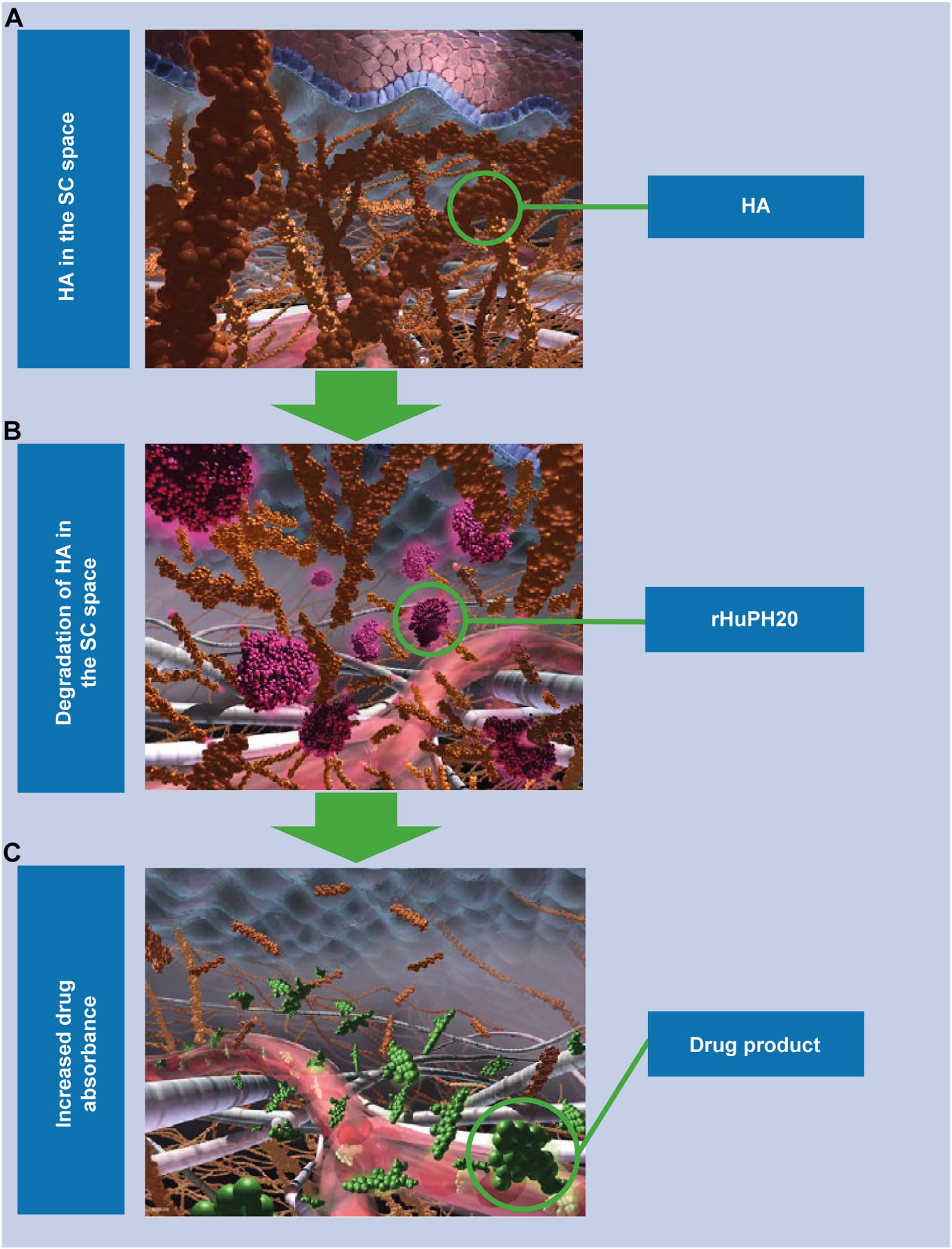
Figure 1. Mechanism of action of rHuPH20 [1]
Strategy 2: Viscosity Reduction with Amino Acids
Even without enzyme-enabled tissue remodeling, lowering the intrinsic viscosity of high-concentration macromolecule solutions through formulation design is essential for feasible SC administration. Studies show that amino acids and derivatives, such as arginine, histidine, and lysine, can reduce viscosity through coordinated modulation of multiple intermolecular interactions [2].
Disrupting hydrophobic interactions: At high concentrations, hydrophobic patches on protein surfaces can engage in hydrophobically driven short-range interactions, forming transient network-like structures that substantially increase viscosity. Arginine, with its highly polar guanidinium group, can weakly and specifically interact with hydrophobic regions on the protein surface and has some “denaturant-like” characteristics, which can weaken hydrophobic association and reduce viscosity.
Shielding electrostatic attraction: At high concentrations, positively and negatively charged regions on protein surfaces can attract each other, promoting closer approach and potential aggregation. Histidine, arginine, and other small molecules that carry charge and/or contribute ionic strength as buffers can reduce these interactions via charge screening, lowering intermolecular forces and viscosity.
Increasing effective intermolecular distance: Some amino acids (e.g., arginine and histidine) may form weak adsorption layers on the protein surface or enhance solvation layers, creating a “soft shell” around proteins that increases effective separation, reduces collision frequency and interaction strength, and thereby decreases viscosity.
Using amino-acid-based formulation strategies appropriately, by selecting suitable types, concentrations, and combinations, can significantly lower viscosity without materially compromising protein stability, greatly improving injectability and tolerability for high-concentration products.
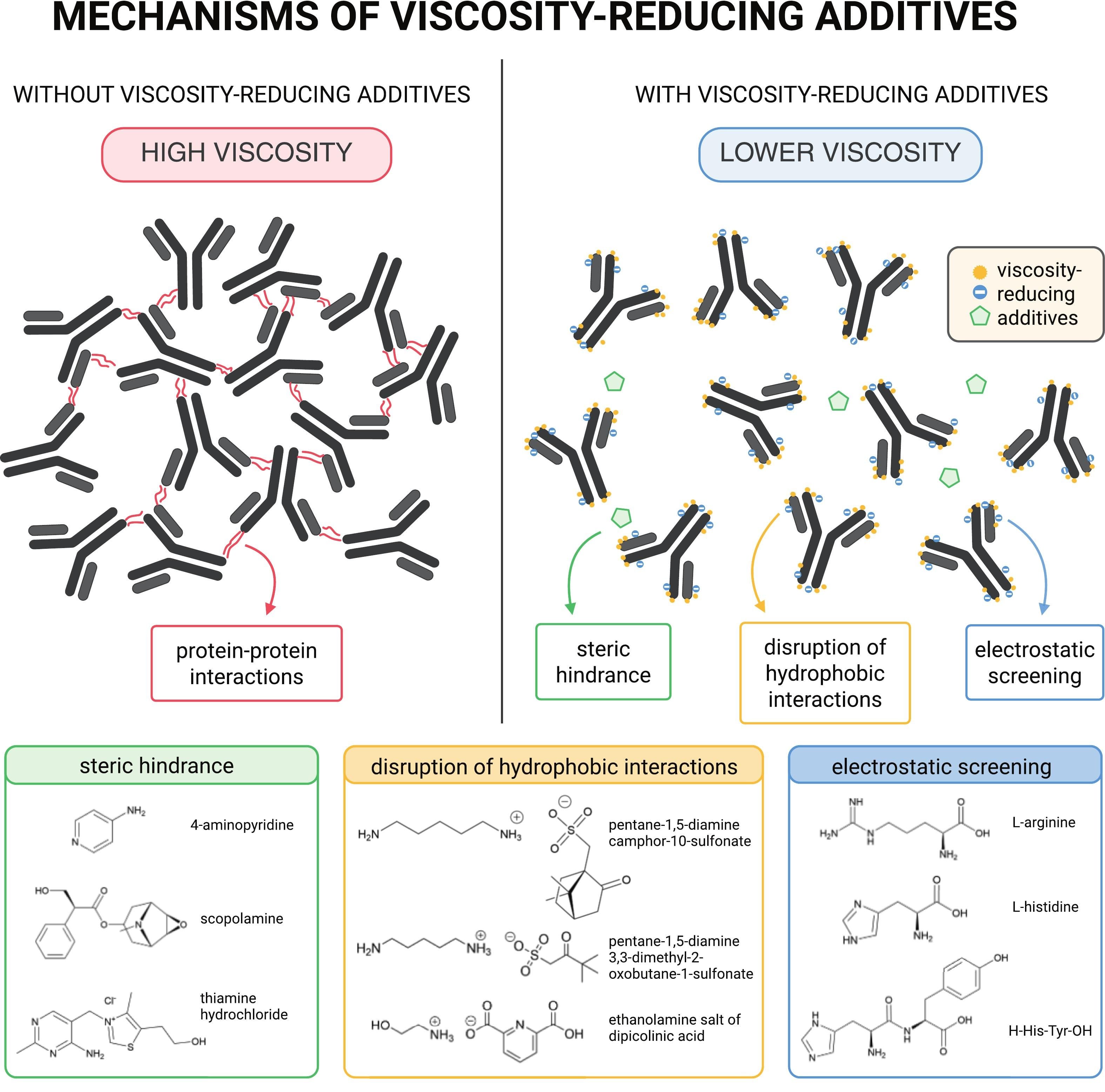
Figure 2. Mechanism of action of viscosity-reducing excipients [2]
Concluding Remarks
The shift toward high-concentration subcutaneous injectables offers immense patient benefits but presents significant viscosity challenges that demand precise scientific solutions. By leveraging tissue-permeating enzymes like rHuPH20 and optimizing formulations with amino acids to disrupt intermolecular networks, developers can successfully deliver high-dose biologics in small volumes. At WuXi AppTec DMPK, we specialize in these advanced viscosity-reduction strategies, offering preclinical in vivo formulation services that ensure your complex drugs achieve the optimal balance of injectability, stability, and safety.
WuXi AppTec DMPK possesses extensive experience and a comprehensive suite capability for pharmacokinetic formulation optimization of macromolecular therapeutics. The platform supports early-stage vehicle screening, physicochemical characterization, and relevant in vitro and in vivo studies, thereby enabling efficient identification of developable candidates for macromolecular drugs.
Authors: Xinyue Wang, Lijin Zheng, Quanli Feng, Cheng Tang
Talk to a WuXi AppTec expert today to get the support you need to achieve your drug development goals.
Committed to accelerating drug discovery and development, we offer a full range of discovery screening, preclinical development, clinical drug metabolism, and pharmacokinetic (DMPK) platforms and services. With research facilities in the United States (New Jersey) and China (Shanghai, Suzhou, Nanjing, and Nantong), 1,000+ scientists, and over fifteen years of experience in Investigational New Drug (IND) application, our DMPK team at WuXi AppTec are serving 1,600+ global clients, and have successfully supported 1,800+ IND applications.
Reference
[1] Connor, R. J., Taverna, D. M., Thrall, K., LaBarre, M. J., & Kang, D. W. (2020). Use of computed tomography to assess subcutaneous drug dispersion with recombinant human hyaluronidase PH20 in a swine model. Journal of Pharmacological and Toxicological Methods, 106, 106936.
[2] Prašnikar, M., Žiberna, M. B., & Grabnar, P. A. (2025). Targeting intermolecular interactions to reduce viscosity in monoclonal antibody formulations: A review. International journal of biological macromolecules, 147515.


Related Services and Platforms


-
 In Vivo PharmacokineticsLearn More
-
Novel Drug Modalities DMPK Enabling PlatformsLearn More
-
Rodent PK StudyLearn More
-
Large Animal (Non-Rodent) PK StudyLearn More
-
Clinicopathological Testing Services for Laboratory AnimalsLearn More
-
High-Standard Animal Facilities and Animal WelfareLearn More
-
Preclinical Formulation ScreeningLearn More






Stay Connected
Keep up with the latest news and insights.

