



CNS Delivery: Novel Technologies, Exposure Evaluation, and Humanized Models
-

Articles
-

May 22, 2026
With the rapid growth of the aging population, central nervous system (CNS) targeted drugs have shown enormous potential in addressing major neurological diseases such as Alzheimer’s disease, Parkinson’s disease, and brain tumors. These drugs are regarded as one of the most valuable yet challenging research areas. Due to the barrier presented by the BBB, the vast majority of therapeutic macromolecules and many small-molecule compounds cannot effectively reach brain tissue through systemic administration to achieve therapeutic exposure levels. It is estimated that over 98% of small-molecule drugs and nearly all macromolecular drugs are barred from crossing the BBB.
Recently, good news has emerged from the field of CNS drug research: Denali Therapeutics has gained FDA approval for the biologic AVLAYAHTM, designed to cross the BBB. This drug serves as an enzyme replacement therapy for treating Hunter syndrome (Mucopolysaccharidosis Type II, MPS II). AVLAYAHTM is a fusion of the IDS enzyme and Denali’s proprietary Transport VehicleTM (TV) platform, which can bind to the transferrin receptor (TfR) and cross the BBB via receptor-mediated transcytosis, delivering IDS to peripheral tissues and the CNS. This transport vehicle platform has established diverse therapeutic combinations, enabling the efficient delivery of various biologics such as enzymes, antibodies, and oligonucleotides while balancing delivery efficiency and safety. This approach tackles the traditional challenges of penetrating the BBB. With the flourishing development of CNS drug R&D, accurately assessing drug exposure levels in the brain has become a critical challenge in preclinical pharmacokinetic (PK) studies. This article focuses on CNS drug exposure assessment strategies, highlighting the application of humanized animal models in preclinical PK research for CNS drugs.
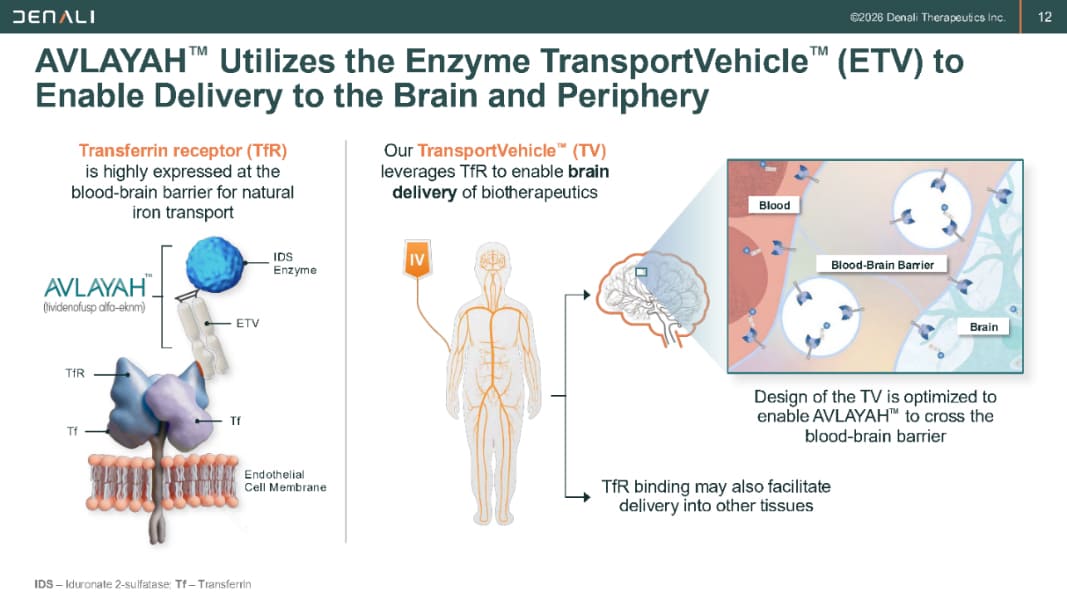
Figure 1. AVLAYAHTM delivery schematic [2]
Novel Delivery Technologies for Central Nervous System Drugs
CNS drug delivery technologies can be divided into two main categories: invasive (e.g.,
intrathecal administration) and non-invasive. Non-invasive technologies, which have high clinical translation potential and good patient acceptance, have become a research hotspot and primarily include receptor-mediated transport, cell-penetrating peptides, and focused ultrasound.
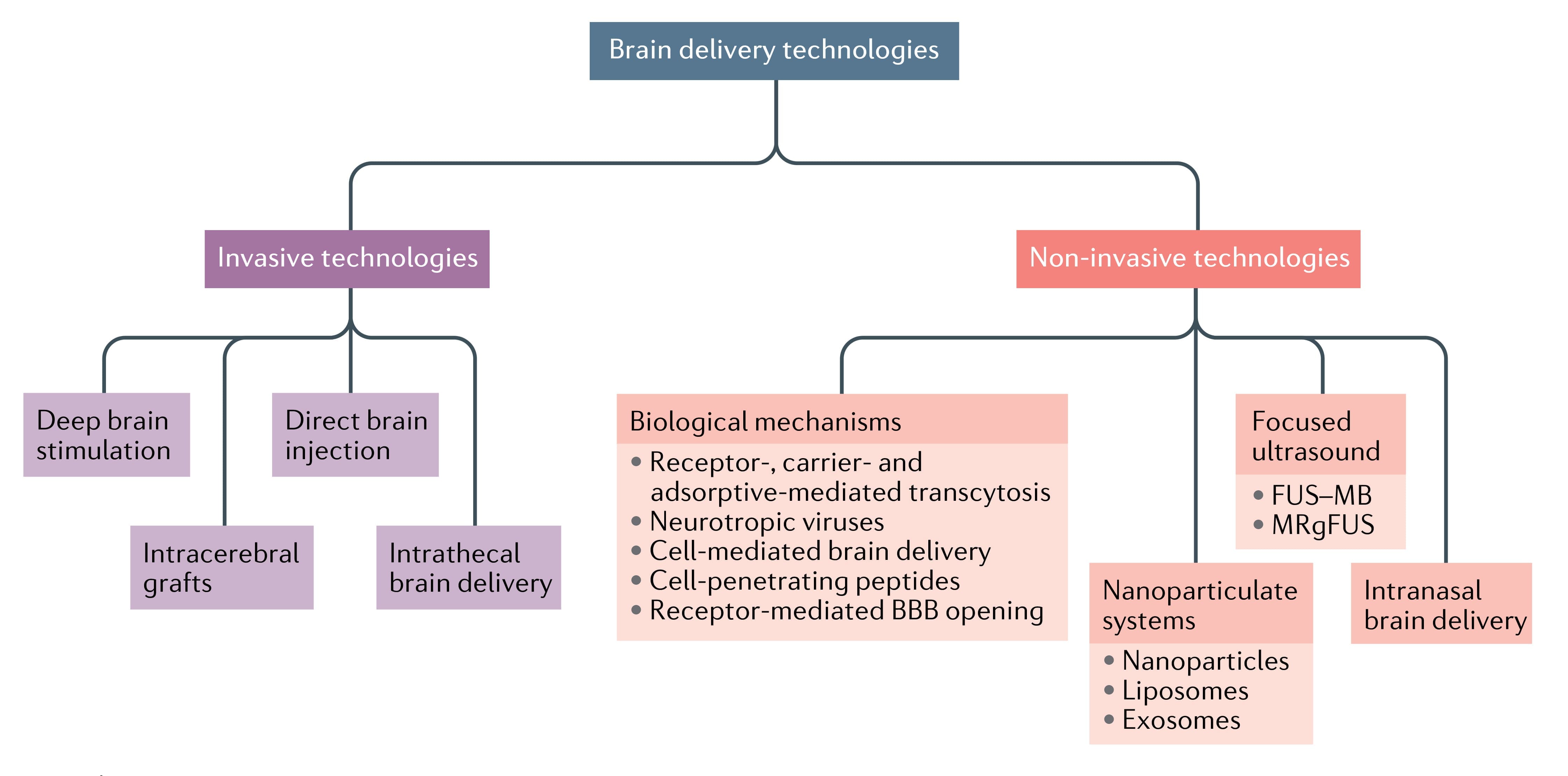
Figure 2. CNS drug delivery technologies [3]
Receptor-Mediated Transport (RMT)
Current efforts in macromolecules and nucleic acid drugs are primarily focused on receptor-mediated transcytosis (RMT) approaches. These strategies involve engineering targeted ligands that utilize the high expression of endogenous receptors or transport systems on the surface of BBB endothelial cells to achieve efficient drug delivery across the barrier and localized enrichment. Upon systemic administration, drugs enter the bloodstream and encounter the brain capillary endothelial cells. Here, they bind with receptors on the luminal side, triggering receptor-mediated endocytosis and enabling transcytosis across the BBB. Common BBB targets and their characteristics are summarized in the table below.
Table 1. Common BBB targets and their characteristics
Receptor Target Type | Characteristics and Advantages | Main Limitations |
Transferrin Receptor (TfR1) |
|
|
Insulin Receptor (InsR) |
|
|
Low-Density Lipoprotein Receptor-Related Protein 1 (LRP1) |
|
|
Insulin-like Growth Factor 1 Receptor (IGF-R) |
|
|
By leveraging the endogenous receptors or transport systems highly expressed on BBB endothelial cells, therapeutic drugs or carriers can be conjugated with ligands (such as antibodies, antibody fragments, peptides, aptamers, small molecules) that specifically recognize and bind these targets. This enables RMT, facilitating active, efficient, and selective transport of therapeutics across the BBB into brain tissue. Currently, this represents the most promising and actively pursued approach for non-invasive, systemic CNS drug delivery.
Cell-Penetrating Peptides (CPPs)
Cell-penetrating peptides (CPPs) are short peptides (less than 30 amino acids) with cell membrane-penetrating properties. Their sequences are amphipathic and positively charged, allowing them to carry various active substances, including proteins, peptides, and nucleic acid fragments, into cells. The drug-carrying strategy of CPPs involves designing short peptides that can directly penetrate cell membranes or enhance BBB penetration. Utilizing the high transcytosis efficiency of CPPs, they can be used as carriers, conjugated with candidate molecules to enhance their ability to cross the BBB.
Table 2. Representative blood-brain barrier penetrating peptides [1]
Name | Peptide Sequence | Target Receptor or Transport Pathway |
Angiopep-2 | TFFYGGSRGKRNNFKTEEY-OH | Low-density lipoprotein receptor-related protein 1 (LRP1) |
ApoB (3371-3409) | SSVIDALQYKLEGTTRLTRKRGLKLATALSLSNKFVEGS | Low-density lipoprotein receptor-related protein 2 (LRP2); Low-density lipoprotein receptor (LDLR) |
ApoE(159-167)2 | (LRKLRKRLL)2 | Low-density lipoprotein receptor-related protein 1 (LRP1); Low-density lipoprotein receptor-related protein 2 (LRP2); Low-density lipoprotein receptor (LDLR) |
Peptide-22 | Ac-C(&)MPRLRGC(&)-NH2 | Low-density lipoprotein receptor (LDLR) |
THR | THRPPMWSPVWP-NH2 | Transferrin receptor 1 (TfR1) |
THRre | pwvpswmpprht-NH2 | Transferrin receptor 1 (TfR1) |
CRT | C(&)RTIGPSVC(&) | Transferrin receptor 1 (TfR1) |
Leptin30 | YQQILTSMPSRNVIQISNDLENLRDLLHVL | Leptin receptor (ObR) |
RVG29 | YTIWMPENPRPGTPCDIFTNSRGKRASNG-OH | Nicotinic acetylcholine receptor (nAChR) |
DCDX | GreirtGraerwsekf-OH | Nicotinic acetylcholine receptor (nAChR) |
Apamin | C(&1)NC(&2)KAPETALC(&1)ARRC(&2)QQH-NH2 | Potassium or calcium ion channels |
MiniAp-4 | DapKAPETALD(&) | Potassium or calcium ion channels |
GSH | γ-L-glutamyl-CG-OH | Glutathione transporter |
G23 | HLNILSTLWKYRC | Ganglioside transporter |
TAT(47-57) | YGRKKRRQRRR-NH2 | Adsorption-mediated endocytosis |
SynB1 | RGGRLSYSRRRFSTSTGR | Adsorption-mediated endocytosis |
TGN | TGNYKALHPHNG | Unknown receptor |
TP10 | AGYLLGKINLKALAALAKKIL-NH2 | Unknown receptor |
Notes: Amino acids are denoted by single-letter codes, where uppercase letters represent L-amino acids and lowercase letters represent D-amino acids; & indicates cyclization sites; Dap: diaminopropionic acid; glutamyl: γ-glutamyl.
Focused Ultrasound (FUS)
Focused ultrasound uses ultrasound waves to temporarily and reversibly open the BBB in specific brain regions, creating a short time window for drugs (especially macromolecules) to enter the brain. This technique requires precise control to ensure safety and to avoid nerve damage.
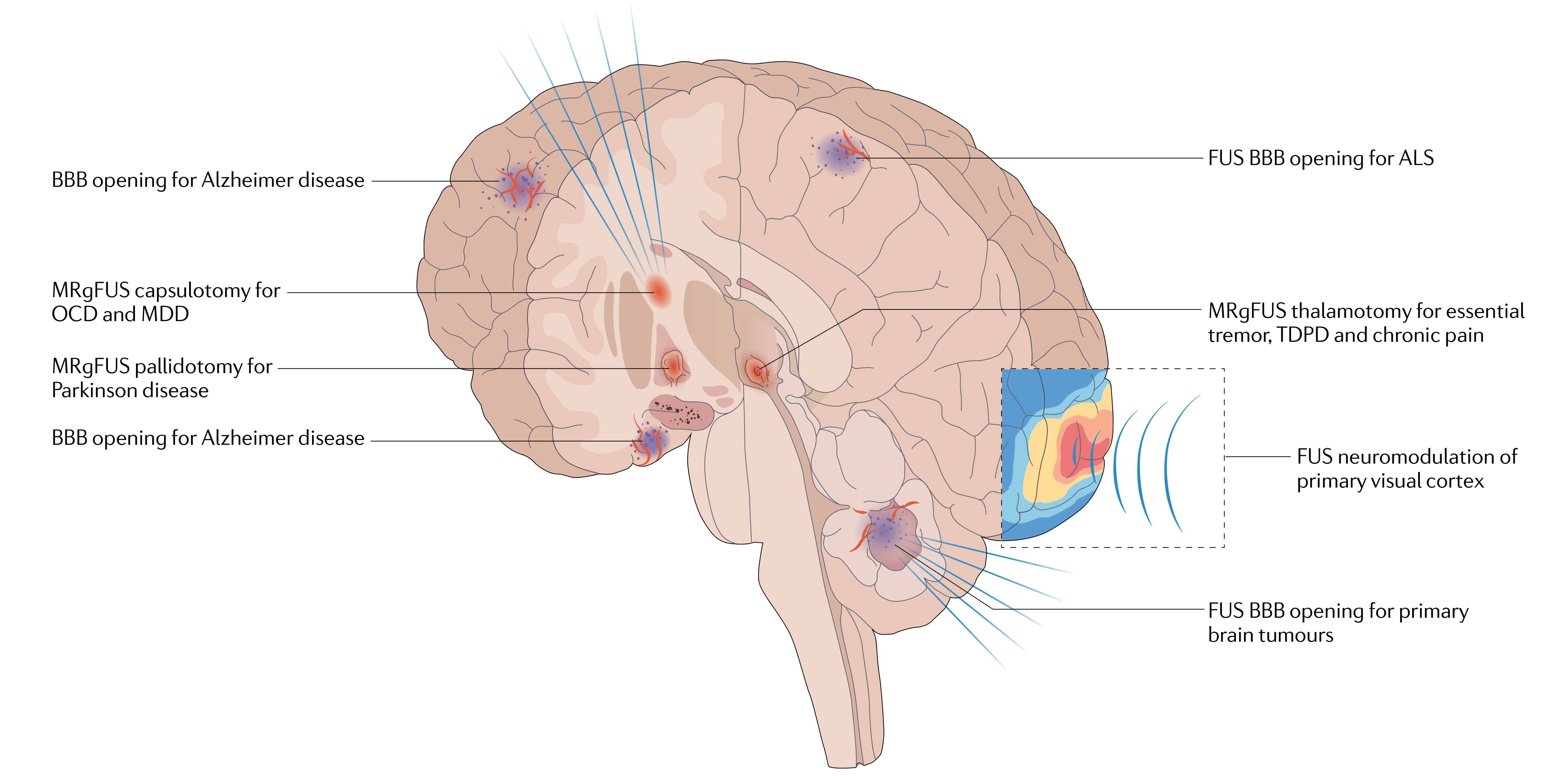
Figure 3. Applications of ultrasound technology in human brain diseases [4]
New Strategies for Nucleic Acid Drug Delivery
The rapid development of nucleic acid drugs has benefited from breakthroughs in GalNAc delivery technology. While GalNAc technology has achieved remarkable success in liver delivery, CNS delivery requires a restructured targeting strategy: modifying lipid nanoparticles (LNPs) with BBB-specific ligands or developing brain-targeting oligonucleotide conjugates based on RMT. Antibody-oligonucleotide conjugates (AOC) serve as an emerging platform, focusing on utilizing the RMT activation ability of antibodies (e.g., targeting TfR/LRP1) to guide oligonucleotides across the BBB. This strategy has already been validated in the treatment of muscle diseases and is currently focused on optimizing the BBB permeability of antibodies and the intracellular release efficiency of oligonucleotides (such as acid-sensitive linker technology) to break through the final barrier for brain delivery.
Precision Assessment Strategies for Targeting CNS Drug Exposure Levels
Regardless of the delivery strategy used, accurately assessing the exposure levels of drugs in target tissues (the brain) and non-target tissues (peripheral tissues) is crucial for evaluating their efficacy and safety.
Challenges in Preclinical PK Research for Targeting CNS Drugs:
Tissue specificity: There are significant differences in BBB permeability and drug distribution across different regions of the brain (e.g., cortex, hippocampus, white matter) and even among different cell types.
Dynamic changes: Disease states (such as brain tumors and neuroinflammation) can significantly alter the permeability and functional status of the BBB, affecting drug exposure.
Free drug concentration vs. total drug concentration: The pharmacological effects are attributed to free, unbound drug molecules, but accurately measuring free drug concentrations in brain tissues is exceedingly challenging.
Impact of efflux transporters: Even if drugs enter brain endothelial cells, they may be "pumped back" into the bloodstream by efflux transporters such as P-glycoprotein and BCRP, decreasing exposure within the brain.
Refined Exposure Assessment Techniques
Traditional methods typically involve tissue separation and homogenization based on standard brain maps to determine drug concentrations in the entire brain or specific target areas. However, as receptor-mediated BBB delivery strategies (such as antibody-drug conjugates) advance, these drugs need to achieve brain targeting after entering systemic circulation via the following key steps:
Intravascular binding: Drug antibody units specifically bind to receptors on the luminal surface of brain capillary endothelial cells (e.g., TfR, LRP1);
Endocytosis transport: Triggering receptor-mediated endocytosis, forming intracellular transport vesicles;
Delivery to the brain: The vesicles release drugs into the interstitial space of brain tissue after crossing the endothelial layer.
To resolve the misleading "false-positive exposure" caused by traditional homogenization methods, the following refined techniques can be employed.
Refined Tissue Separation (separating brain parenchyma from cerebral vasculature)
This involves the precise separation of brain tissues through homogenization and density gradient centrifugation, focusing on distinguishing drug retention in brain vascular endothelium from accurate drug distribution in brain parenchyma, thereby overcoming the "false-positive exposure" misguidance associated with traditional homogenization.
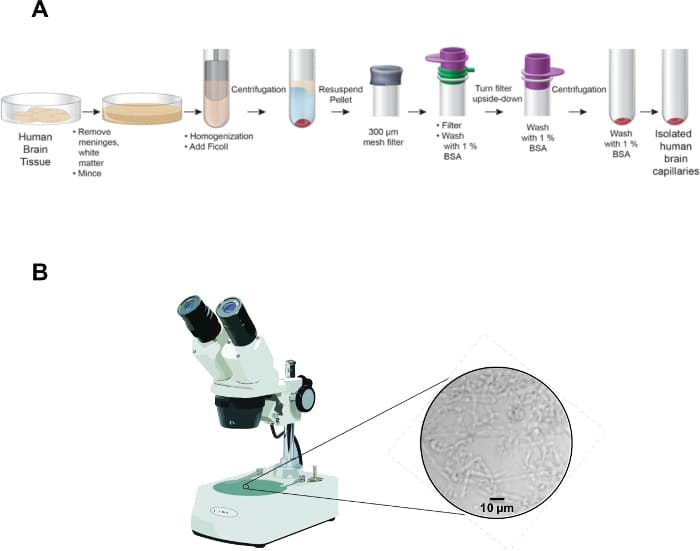
Figure 4. Separation of brain parenchyma and cerebral vasculature [6]
Precise Concentration Detection in the Brain
Cerebrospinal fluid (CSF) and interstitial fluid (ISF) are fluids within the CNS with different locations, functions, circulation pathways, and components. Together, they maintain the microenvironment stability of the brain and spinal cord and interact through the BBB, glial lymphatic systems, and fluid exchange between ventricles and brain parenchyma. In traditional studies, drug concentrations in CSF are often used as substitutes for free drug concentrations in the brain, which, while simple, can lead to misestimation of brain concentrations for drug substrates of efflux transporters.
Brain Microdialysis Techniques: These can monitor changes in drug concentrations in the brain in real time, elucidating the relationship between plasma PK and target area concentrations precisely.
Ultrafiltration Centrifugation: This indirectly assesses ISF concentrations by separating free drug components from brain tissue homogenates (brain homogenate → centrifugation → ultrafiltration yielding approximate ISF free drug concentrations), emphasizing high throughput to achieve more precise drug concentrations in target locations.
Brain Slice Method: Another important in vitro model for studying drug distribution, metabolism, and mechanisms of action within the brain. This method is particularly suitable for evaluating drug interactions with brain tissues, BBB permeability, and local PK characteristics. It involves preparing fresh brain tissue slices and incubating them under controlled conditions to simulate drug distribution processes in vivo.
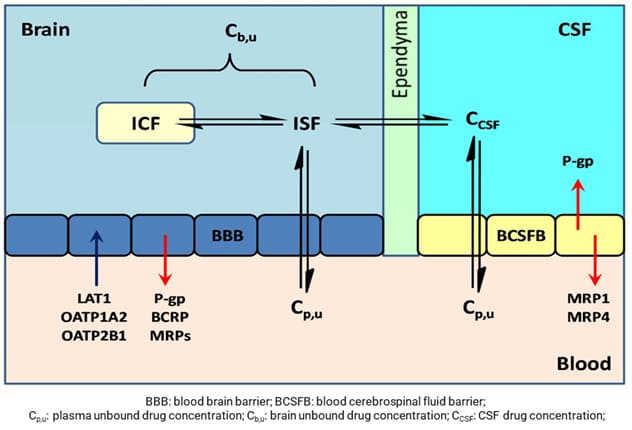
Figure 5. Drug equilibration among blood, brain, and cerebrospinal fluid [7]
Humanized Models for Preclinical PK Research
Faced with the aforementioned technical challenges in brain exposure assessment, humanized animal models (especially humanized mouse models) play an irreplaceable role in PK research for CNS drugs, serving as a bridge between preclinical research and clinical trials.
Humanized Transporter Models: By introducing key human efflux transporter (e.g., hP-gp, hBCRP) or uptake transporters into mice (or knocking out endogenous counterparts), these models evaluate whether drugs are substrates or inhibitors of human transporters, predicting their brain permeability and potential drug-drug interactions.
Humanized Target Models: Only specific human counterparts (e.g., FcRn expressed by the FCGRT gene) replace endogenous counterparts in animals while maintaining other genetic backgrounds (e.g., in mice). This mainly aims to enhance the predictive accuracy of preclinical PK/PD for therapeutic antibodies (e.g., monoclonal antibodies, bispecific antibodies).
Humanized Receptor Models: Human RMT receptors (such as hTfR and hLRP1) expressed on mouse BBB are used for specific evaluation of brain uptake efficiency and targeting of delivery vehicles (like bispecific antibodies and ligand-conjugated drugs), avoiding misjudgments caused by receptor differences between rodents and humans.
Humanized Immune System Models: For antibody drugs that involve immune regulation or rely on Fc functionality (such as certain bispecific antibodies), humanized immune system models (like huCD34+ HSC and huPBMC models) can better simulate drug interactions with the immune system and their influence on the BBB and distribution within the brain.
Optimizing DMPK Research Strategies for CNS Drugs
The essence of preclinical DMPK research for CNS drugs lies in understanding and optimizing the drug's ability to cross the BBB, ensuring sufficient targeted brain exposure. This requires a comprehensive integration of in vitro model screening, in vivo animal experiments, and advanced PBPK/PKPD modeling strategies. Research focus has gradually shifted from early optimization of physicochemical properties and avoidance of efflux transporters to in vivo brain PK characterization, free drug concentration measurement, and association analysis with efficacy/toxicity.
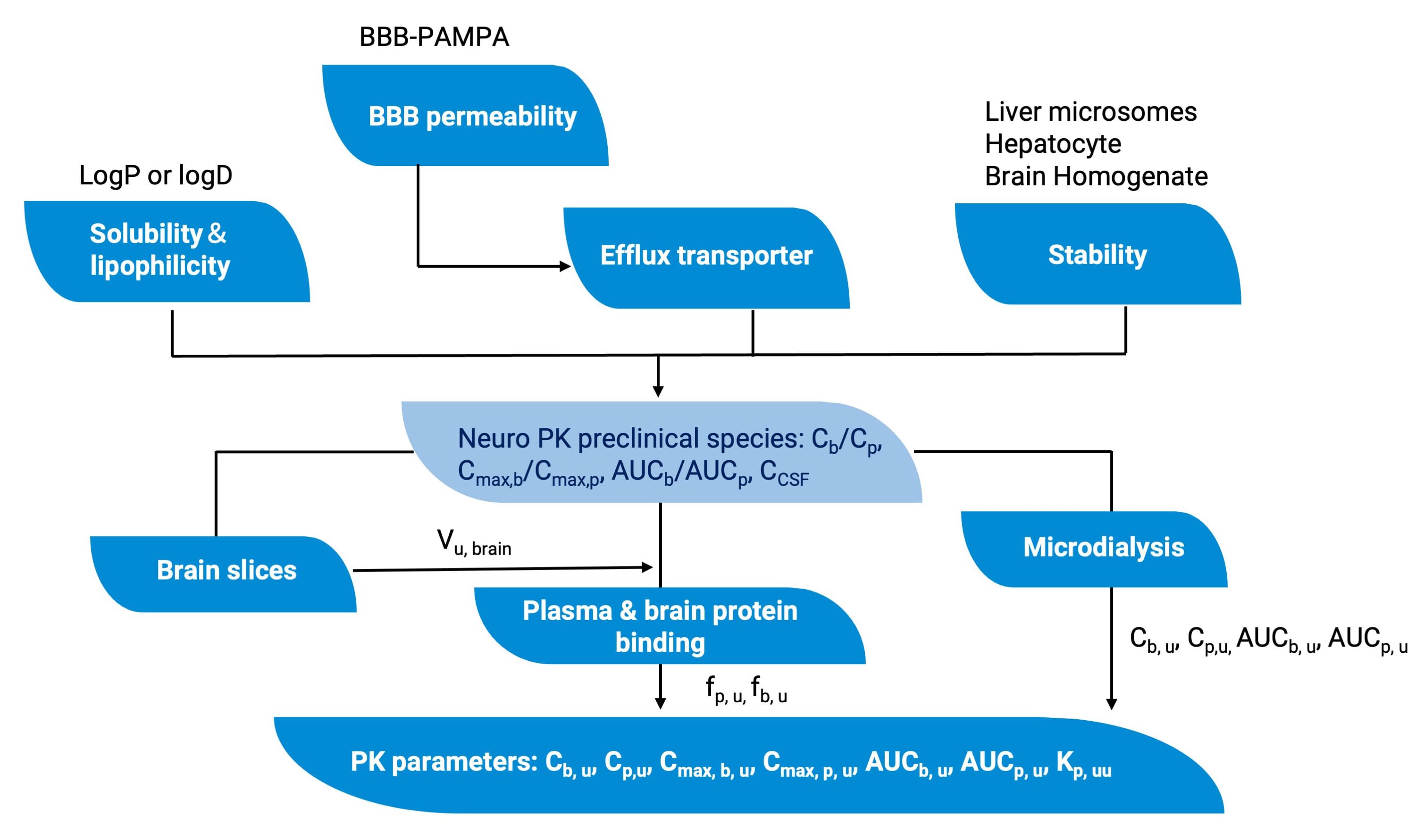
Figure 6. DMPK research strategy framework for CNS drugs
In addition to the aforementioned in vitro and in vivo research strategies, leveraging the advantages of humanized models to optimize PK research strategies for CNS drugs is crucial. The most suitable humanized models (single transporter humanization, receptor humanization, immune system humanization, or combination models) can be chosen according to the drug’s mechanism of action (e.g., whether it relies on specific receptor transport or is influenced by particular efflux pumps) and type (small molecules, antibodies, nucleic acids).
Final Thoughts
Extrahepatic delivery, especially breakthroughs in achieving efficient CNS drug delivery across the BBB, represents one of the most challenging yet exciting scientific frontiers in drug development. Humanized animal models precisely simulate the key functional characteristics of the human BBB (transporters, receptors), offering powerful tools to overcome the core bottlenecks of CNS drug development and achieve precise assessments of brain exposure. By integrating multiple technological approaches and deepening our understanding of model-clinical correlation, humanized models are leading us to more reliably predict drug behavior in humans, accelerating the delivery of groundbreaking CNS therapies to patients in urgent need of treatment. With a comprehensive CNS technology platform and extensive project experience, WuXi AppTec DMPK has established a robust humanized model platform covering various CNS drug delivery technologies, facilitating seamless integration of PK research in both rodent and non-rodent animals. This platform supports clients in conducting comprehensive preclinical PK studies for CNS drugs, providing end-to-end solutions for CNS drug development.
Authors: Furong Jiao, Cheng Tang
Talk to a WuXi AppTec expert today to get the support you need to achieve your drug development goals.
Committed to accelerating drug discovery and development, we offer a full range of discovery screening, preclinical development, clinical drug metabolism, and pharmacokinetic (DMPK) platforms and services. With research facilities in the United States (New Jersey) and China (Shanghai, Suzhou, Nanjing, and Nantong), 1,000+ scientists, and over fifteen years of experience in Investigational New Drug (IND) application, our DMPK team at WuXi AppTec are serving 1,600+ global clients, and have successfully supported 1,800+ IND applications.
Reference
[1] WANG Dong, XU Hanmei, HU Jialiang. Research Progress of Drug Delivery Strategies Across the Blood-Brain Barrier. Progress in Pharmaceutical Sciences, 2021, 45(6): 473-480.
[2] Denali Therapeutics Announces US FDA Approval of AVLAYAHTM
[3] Terstappen GC, Meyer AH, Bell RD, Zhang W. Strategies for Delivering Therapeutics Across the Blood-Brain Barrier. Nat Rev Drug Discov. 2021 May;20(5):362-383.
[4] Meng Y, Hynynen K, Lipsman N. Applications of Focused Ultrasound in the Brain: From Thermoablation to Drug Delivery. Nat Rev Neurol. 2021 Jan;17(1):7-22.
[5] Sheridan C. Now With Oligos: Antibody-Oligonucleotide Conjugates are the New Drug Modality to Watch. Nat Biotechnol. 2026 Jan;44(1):3-5.
[6] Hartz AMS, Schulz JA, Sokola BS, Edelmann SE, Shen AN, Rempe RG, Zhong Y, Seblani NE, Bauer B. Isolation of Cerebral Capillaries From Fresh Human Brain Tissue. J Vis Exp. 2018 Sep 12;(139):57346.
[7] Gupta A, Chatelain P, Massingham R, Jonsson EN, Hammarlund-Udenaes M. Brain Distribution of Cetirizine Enantiomers: Comparison of Three Different Tissue-to-Plasma Partition Coefficients: K(p), K(p,u), and K(p, uu). Drug Metab Dispos. 2006;34(2):318-323.
[8] Fridén M, Bergström F, Wan H, Rehngren M, Ahlin G, Hammarlund-Udenaes M, Bredberg U. Measurement of Unbound Drug Exposure in Brain: Modeling of pH Partitioning Explains Diverging Results Between the Brain Slice and Brain Homogenate Methods. Drug Metab Dispos. 2011 Mar;39(3):353-362.
[9] Avery LB, Wang M, Kavosi MS, Joyce A, Kurz JC, Fan YY, Dowty ME, Zhang M, Zhang Y, Cheng A, Hua F, Jones HM, Neubert H, Polzer RJ, O'Hara DM. Utility of a Human FcRn Transgenic Mouse Model in Drug Discovery for Early Assessment and Prediction of Human Pharmacokinetics of Monoclonal Antibodies. MAbs. 2016 Aug-Sep;8(6):1064-1078. doi: 10.1080/19420862.2016.1193660.
[10] Zhao C, Zhao JW, Zhang YH, Zhu YD, Yang ZY, Liu SL, Tang QY, Yang Y, Wang HK, Shu YJ, Dong P, Wu XS, Gong W. PTBP3 Mediates IL-18 Exon Skipping to Promote Immune Escape in Gallbladder Cancer. Adv Sci (Weinh). 2024 Oct;11(38):e2406633.
[11] Dallas S, Salphati L, Gomez-Zepeda D, Wanek T, Chen L, Chu X, Kunta J, Mezler M, Menet MC, Chasseigneaux S, Declèves X, Langer O, Pierre E, DiLoreto K, Hoft C, Laplanche L, Pang J, Pereira T, Andonian C, Simic D, Rode A, Yabut J, Zhang X, Scheer N. Generation and Characterization of a Breast Cancer Resistance Protein Humanized Mouse Model. Mol Pharmacol. 2016 May;89(5):492-504.
[12] Ariolis MS, Wells RC, Getz JA, Kwan W, Mahon CS, Tong R, Kim DJ, Srivastava A, Bedard C, Henne KR, Giese T, Assimon VA, Chen X, Zhang Y, Solanoy H, Jenkins K, Sanchez PE, Kane L, Miyamoto T, Chew KS, Pizzo ME, Liang N, Calvert MEK, DeVos SL, Baskaran S, Hall S, Sweeney ZK, Thorne RG, Watts RJ, Dennis MS, Silverman AP, Zuchero YJY. Brain Delivery of Therapeutic Proteins Using an Fc Fragment Blood-Brain Barrier Transport Vehicle in Mice and Monkeys. Sci Transl Med. 2020 May 27;12(545):eaay1359.


ON THIS PAGE

Related Resources


Related Services and Platforms


-
 In Vivo PharmacokineticsLearn More
-
Therapeutic Areas DMPK Enabling PlatformsLearn More
-
Rodent PK StudyLearn More
-
Large Animal (Non-Rodent) PK StudyLearn More
-
Clinicopathological Testing Services for Laboratory AnimalsLearn More
-
High-Standard Animal Facilities and Animal WelfareLearn More
-
Preclinical Formulation ScreeningLearn More


Stay Connected
Keep up with the latest news and insights.

