




DMD Publication: A New In Vitro System for Predicting Covalent Drug Metabolism Established by WuXi AppTec DMPK
-

Blogs
-

Mar 11, 2026
On January 17, WuXi AppTec’s DMPK Metabolite Identification team published an article titled "In vitro metabolism studies of 5 acrylamide covalent drugs: Comparison with metabolism and disposition in human" in Drug Metabolism and Disposition. Addressing the unique metabolic characteristics of acrylamide covalent drugs (ACDs), the study systematically developed an innovative suite of in vitro metabolism research methods. By conducting in-depth assessments of five ACDs that have either entered clinical trials or been launched, the study successfully resolved the challenge where traditional small-molecule in vitro experiments fail to accurately characterize covalent drug metabolism. This achievement enables more precise prediction of metabolic clearance pathways in humans, providing a powerful tool for the early screening, pharmacokinetic prediction, and drug-drug interaction (DDI) risk assessment of targeted covalent inhibitors (TCIs).
To support R&D progress in covalent drugs, the article has been made Open Access. The link is provided at the end of this blog. This blog interprets the core findings and breakthroughs of this study.
Key Challenges in Metabolic Research of Acrylamide Covalent Drugs
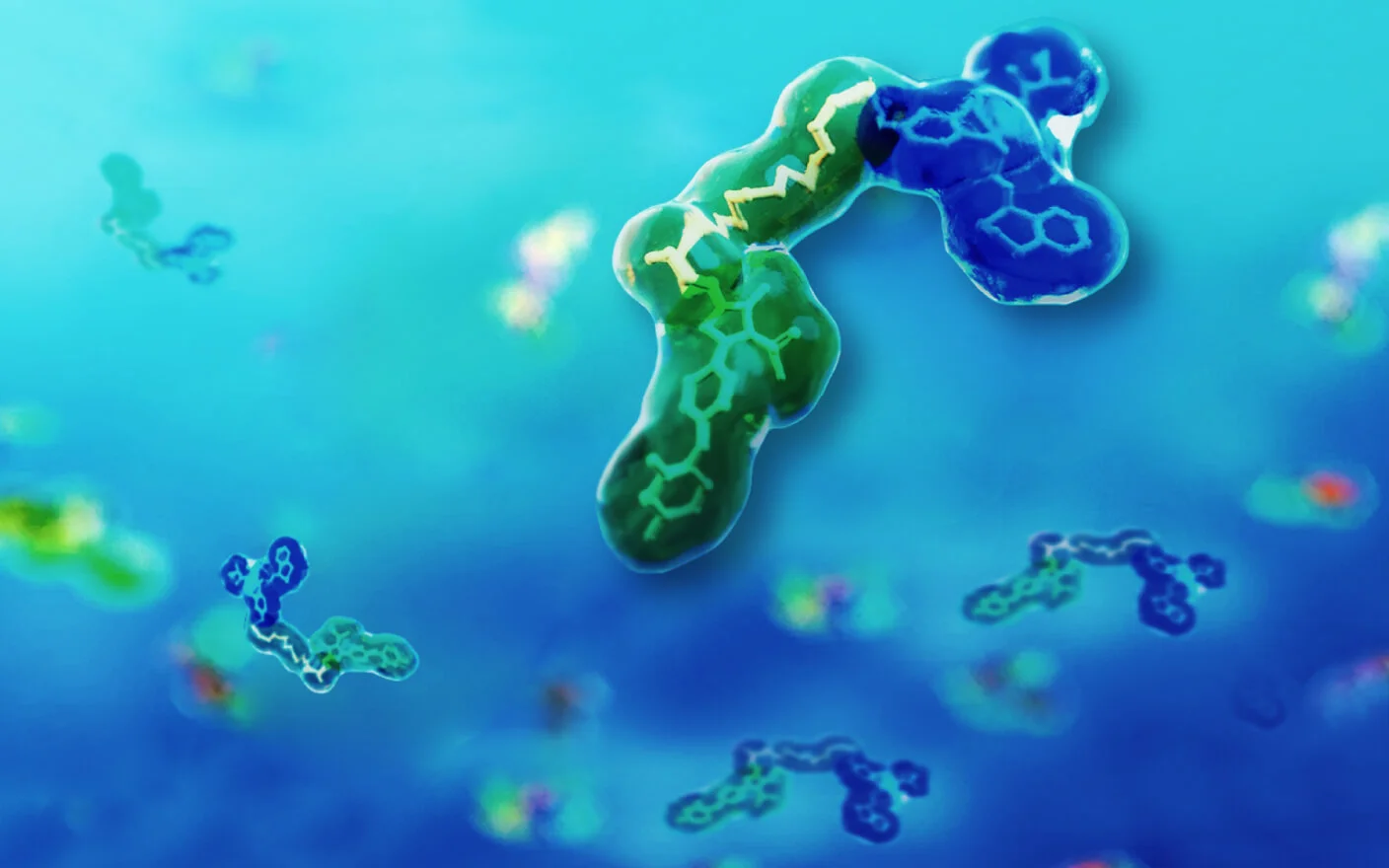
Compared to traditional small-molecule inhibitors, acrylamide covalent drugs (ACDs) introduce an acrylamide warhead into their molecular structure, allowing them to form irreversible covalent bonds with target proteins. This offers significant advantages in potency, selectivity, and duration of action. However, due to this unique covalent binding mechanism, ACDs undergo three distinct biotransformation pathways in the human body:
CYP enzyme-mediated oxidative metabolism
Nonspecific protein covalent binding
Glutathione (GSH) adduction (nonenzymatic)
Conventional in vitro metabolism experiments for small molecules (such as standard liver microsomal stability assays) cannot distinguish or quantify the contributions of these three pathways. This leads to distorted predictions of CYP-mediated metabolic clearance of ACDs in humans, posing challenges for subsequent drug design and clinical translation.
Constructing an Integrated In Vitro Metabolism Study System for ACDs
Using five approved ACDs (abivertinib, afatinib, osimertinib, ibrutinib, and pyrotinib) as model drugs, this study designed and validated a novel in vitro metabolism study system based on their in vivo metabolic characteristics. The system integrates three core experimental modules:
Liver microsomal metabolic stability assay (± NADPH): By setting up experimental groups with and without NADPH in human liver microsomes (HLM), the study successfully distinguished the contributions of CYP-mediated metabolism from nonspecific protein covalent binding.
Human serum albumin (HSA) covalent binding assay (± GSH): An HSA incubation system was introduced to evaluate the tendency of ACDs to bind non-specifically to albumin and their competitive relationship with GSH adduction.
Metabolite profiling (± GSH): By comparing metabolites in the presence or absence of GSH, the study clearly revealed the oxidative metabolism and GSH adducts of the ACDs.
Core Findings: High Clinical Predictability of the In Vitro Metabolism System
The study compared the data obtained from the aforementioned in vitro experiments with literature-reported human ADME (absorption, distribution, metabolism, and excretion) data. The main findings are as follows:
Identify contributions from CYP metabolism and protein covalent binding
Key result: In HLM incubations without NADPH, 10%-30% disappearance was still observed for all tested drugs, primarily attributed to nonspecific protein covalent binding.
Typical case: For the slowly metabolized afatinib, its disappearance in HLM was mainly caused by protein covalent binding; whereas for the rapidly metabolized ibrutinib and pyrotinib, CYP metabolism was the dominant factor.
Significance: Conventional metabolic stability experiments that do not account for protein binding factors may severely overestimate the contribution of CYP enzymes. This strategy effectively identifies this misconception.
Accurate prediction of propensity between protein binding and GSH adduction
Osimertinib case: It exhibited the fastest disappearance in HSA (t1/2=1.9 h), and the addition of GSH had minimal effect on its disappearance rate, indicating a preference for protein covalent binding. This is highly consistent with clinical data showing that 92% of plasma radioactivity in humans is protein-bound material.
Afatinib case: After adding GSH, its half-life in HSA shortened by more than 6-fold, indicating a stronger tendency for GSH adduction. This aligns with results showing that GSH adducts are the primary detected substances in human excreta.
Metabolite identification reveals major metabolic pathways
Data Consistency Verification: The in vitro metabolite profiles of the five drugs were highly consistent with human clinical data. For example, ibrutinib’s metabolite profile was dominated by oxidative products (>84%), while afatinib mainly presented as GSH adducts.
New Discovery: The study conducted an in-depth MS/MS fragmentation analysis of osimertinib's major metabolite, M5. Based on new diagnostic ions, it proposed that the demethylation site likely occurs on the methoxy-substituted phenyl ring rather than the traditionally believed indole nitrogen, providing an important reference for the subsequent synthesis of this product and the evaluation of its pharmacological efficacy.
Conclusion
In this study, WuXi AppTec DMPK established an integrated in vitro metabolism research strategy for in vivo metabolic study of acrylamide covalent drugs. This strategy successfully elucidated the relative contributions of CYP metabolism, nonspecific protein covalent binding, and GSH adduction to the overall clearance of ACDs, significantly improving the prediction accuracy of human metabolic pathways and potential drug-drug interaction risks.
For covalent drugs, WuXi AppTec DMPK offers comprehensive pharmacokinetic research services. These include diverse in vitro ADME study systems (GSH, HSA), robust metabolite identification methods, high-resolution mass spectrometry analysis platforms, and radiolabeled PK studies, all dedicated to providing powerful support to clients in accelerating the new drug development process.
Talk to a WuXi AppTec expert today to get the support you need to achieve your drug development goals.
Committed to accelerating drug discovery and development, we offer a full range of discovery screening, preclinical development, clinical drug metabolism, and pharmacokinetic (DMPK) platforms and services. With research facilities in the United States (New Jersey) and China (Shanghai, Suzhou, Nanjing, and Nantong), 1,000+ scientists, and over fifteen years of experience in Investigational New Drug (IND) application, our DMPK team at WuXi AppTec are serving 1,600+ global clients, and have successfully supported 1,700+ IND applications.


Related Resources


Related Services and Platforms


-
 MetID (Metabolite Profiling and Identification)Learn More
-
Novel Drug Modalities DMPK Enabling PlatformsLearn More
-
In Vitro MetID (Metabolite Profiling and Identification)Learn More
-
In Vivo MetID (Metabolite Profiling and Identification)Learn More
-
Metabolite Biosynthesis and Structural CharacterizationLearn More
-
Metabolites in Safety Testing (MIST)Learn More
-
PROTAC DMPK ServicesLearn More
-
ADC DMPK ServicesLearn More
-
Oligo DMPK ServicesLearn More
-
PDC DMPK ServicesLearn More
-
Peptide DMPK ServicesLearn More
-
mRNA DMPK ServicesLearn More
-
Covalent Drugs DMPK ServicesLearn More


Stay Connected
Keep up with the latest news and insights.

