






Metabolomics is a powerful scientific discipline that studies the dynamic profile of endogenous small molecules within biological systems. As the terminal products of cellular processes, changes in these metabolites provide a direct functional readout of health and disease states, including cancer, liver diseases, kidney diseases, and cardiovascular and neurological disorders. This article explains the definition of metabolomics, details the difference between targeted and untargeted metabolomics, reviews the biomarker-based bioanalytical platforms such as LC-MS metabolomics and NMR metabolomics for targeted metabolomics, and explores specific applications.
What is Metabolomics?
Metabolomics (or metabonomics) is one of the newer fields in omics research. It investigates the types, quantities, and dynamic changes of multiple endogenous small molecule metabolites in biological systems before and after internal or external stimulation or perturbation. By detecting and analyzing the types, quantities, and variation patterns of metabolic products, researchers study the essence of the occurrence and development of life activities.
Metabolomics enables researchers to complement information at the genomic and proteomic levels (Figure 1) by performing qualitative and quantitative analysis of metabolite levels (endogenous small molecules of a given phenotype). Because it measures the molecules more closely associated with phenotypic outcomes, metabolomics is a crucial source for discovering disease biomarkers.
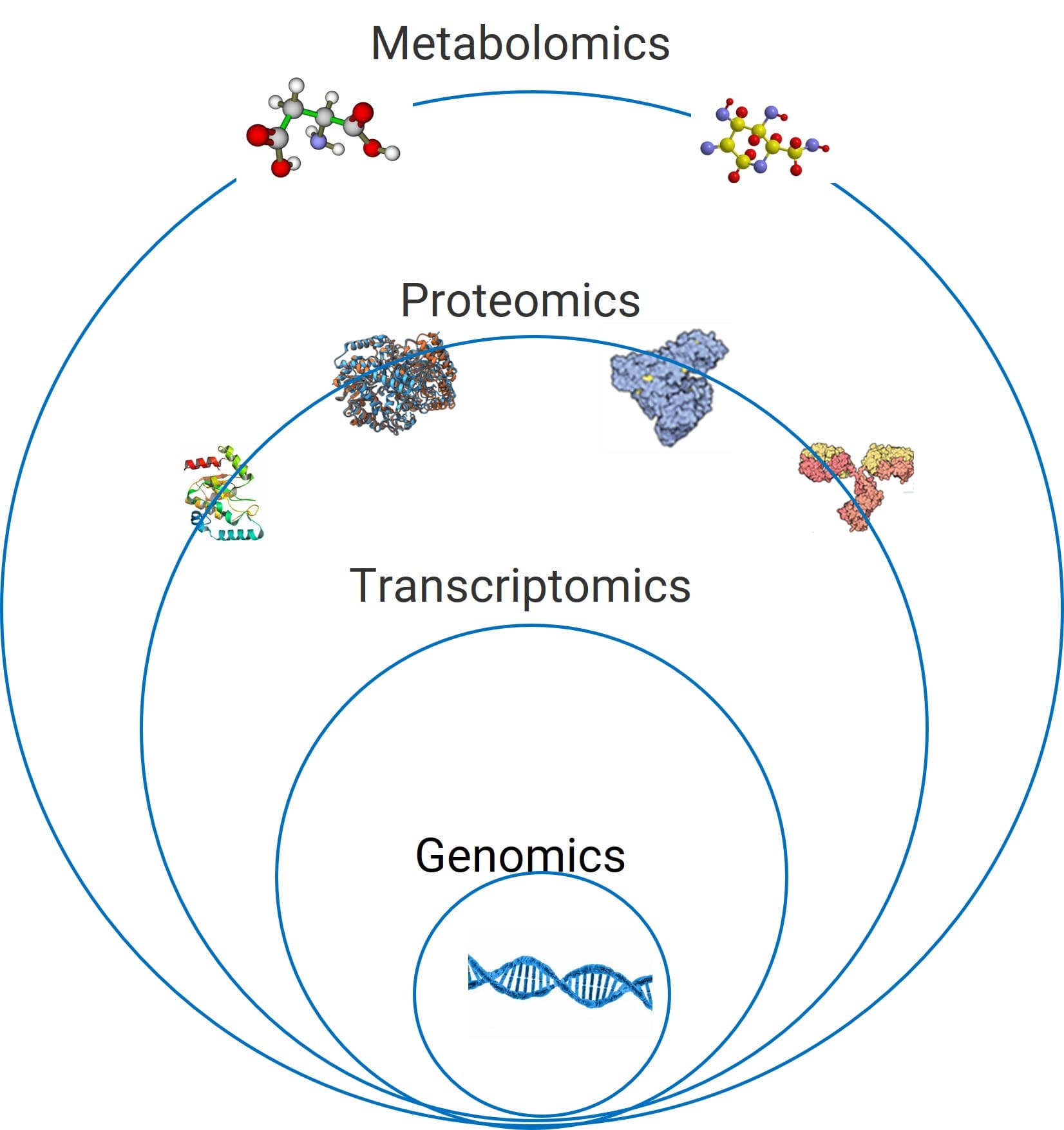
Figure 1. Interrelationships among omics in biological research
Targeted vs. Untargeted Metabolomics
Based on study needs and methods, it is categorized into targeted metabolomics and untargeted metabolomics. These two approaches have their own distinct advantages and are often used in combination to discover and quantify differential metabolites, so that the scientists can deeply study the subsequent metabolic molecular markers. This plays a significant role in disease research, animal model validation, biomarker discovery, disease diagnosis, drug R&D, screening and evaluation, clinical monitoring, plant metabolism research, and microbial metabolism research.
Untargeted Metabolomics detects the dynamic changes of endogenous small molecule compounds in cells, tissues, organs, or organisms under stimulation or perturbation in an unbiased manner. It identifies metabolites based on their retention times in liquid or gas chromatography, their potential relationships, and fragment information. Bioinformatics analysis is then used to identify differences before and after perturbation, screen for meaningful metabolites, identify potentially disturbed pathways, and uncover underlying physiological mechanisms.
Targeted Metabolomics involves the research and analysis of a specific class or classes of metabolites, typically building upon findings from untargeted metabolomics. It utilizes the similar behavior or characteristics of series metabolites and analogs to perform more precise qualitative and quantitative detection. Compared to untargeted metabolomics, targeted metabolomics offers higher specificity, detection sensitivity, and quantitative accuracy [1-3].
Bioanalytical Platforms for Metabolomics Analysis
Metabolomics research platforms include Nuclear Magnetic Resonance (NMR), Gas Chromatography-Mass Spectrometry (GC-MS), and Liquid Chromatography-Mass Spectrometry (LC-MS). Depending on different research objectives, different sample types may be analyzed across multiple platforms, combining results to obtain the most comprehensive information.
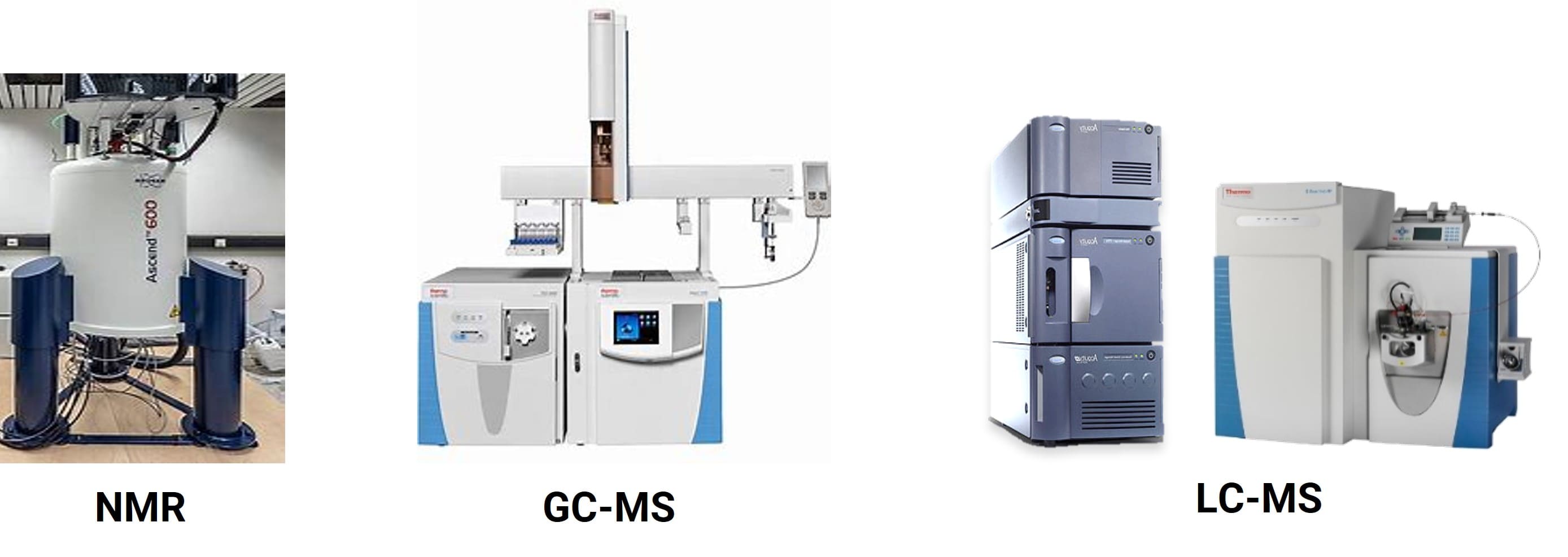
Figure 2. Metabolomics analysis platforms: NMR, GC-MS, and LC-MS
NMR Metabolomics
Nuclear Magnetic Resonance (NMR): NMR is a commonly used metabolomics technique. Since biological samples are rich in hydrogen atoms, the hydrogen nucleus is the most frequently targeted; carbon and phosphorus atoms are also used as auxiliary targets. The advantages of NMR detection include simple sample preparation, no requirement for specific processing methods, and rapid measurement speed. It is suitable for liquid samples such as blood, urine, cerebrospinal fluid, and other body fluids, as well as solid samples like tissues and organs; however, its disadvantages include relatively low resolution, low sensitivity, and a limited dynamic range.
LC-MS Metabolomics and GC-MS
Mass Spectrometry (MS): Mass spectrometry identifies metabolites based on the mass-to-charge ratio (m/z) of substances and their fragments generated within the mass spectrometer, performing omics assessments based on the relative abundance of each metabolite. MS analysis applies to various types of body fluids and tissues. Its primary advantages are high detection speed and high sensitivity, making it ideal for omics detection in small-volume biological samples. However, in MS analysis, biological samples must first be processed into a state suitable for detection, a preparation process that destroys the sample's original state and will be time-consuming. With the development of high-resolution mass spectrometry, MS now provides richer information for metabolomics research. The main MS analysis platforms include GC-MS and LC-MS.
Gas Chromatography-Mass Spectrometry (GC-MS): GC-MS technology is relatively mature and stable, featuring high resolution and comprehensive databases, which makes qualitative analysis easier compared to LC-MS. However, complex and time-consuming sample processing, along with difficulties in qualitatively and quantitatively analyzing substances that are not easily derivatized or volatile, limit the practical application of this technology.
Liquid Chromatography-Mass Spectrometry (LC-MS): LC-MS metabolomics uses liquid chromatography columns to separate metabolites with different chemical properties, followed by mass spectrometry for detection and quantification. The advantages of LC-MS include relatively simple sample preparation and pretreatment, good reproducibility, high resolution, and a wide separation and analysis range. Its main disadvantage is that databases provide less assistance, and it provides relative quantitation results without reference standards. With recent developments in chromatography and mass spectrometry technologies, the scope of metabolomics research using LC-MS technology has expanded, making it a common means for metabolomics research.
Applications of Targeted Metabolomics in Drug R&D
Targeted metabolomics is vital in animal disease models, serving to validate model stability, screen compounds, and quantify drug efficacy and duration. Furthermore, it supports exploratory analysis of specific metabolite-model interactions [1].
Investigating the Relationship Between Target Metabolite Isoforms and Disease
In a study on Fabry disease, a targeted metabolomics approach was employed to compare the differences in globotriaosylceramide (Gb3) between normal mice and model mice. This method provided accurate quantitative metabolite data, helping researchers deeply understand changes in specific metabolic pathways and supporting disease diagnosis and treatment.
Fabry disease (FD) is a hereditary lipid disorder caused by a genetic defect leading to a deficiency or reduced activity of α-galactosidase A (α-Gal A). This results in the systemic accumulation of its metabolic substrate, globotriaosylceramide (GL-3 or Gb3) and its derivative, deacetylated GL-3 (globotriaosylsphingosine, Lyso-GL-3 or Lyso-Gb3). The heart and kidneys are primarily affected, but accumulation also occurs in the nerves, gastrointestinal tract, skin, eyes, ears, and other organs and systems, potentially leading to life-threatening complications. Gb3 serves as a biomarker for judging the efficacy of enzyme replacement therapy.
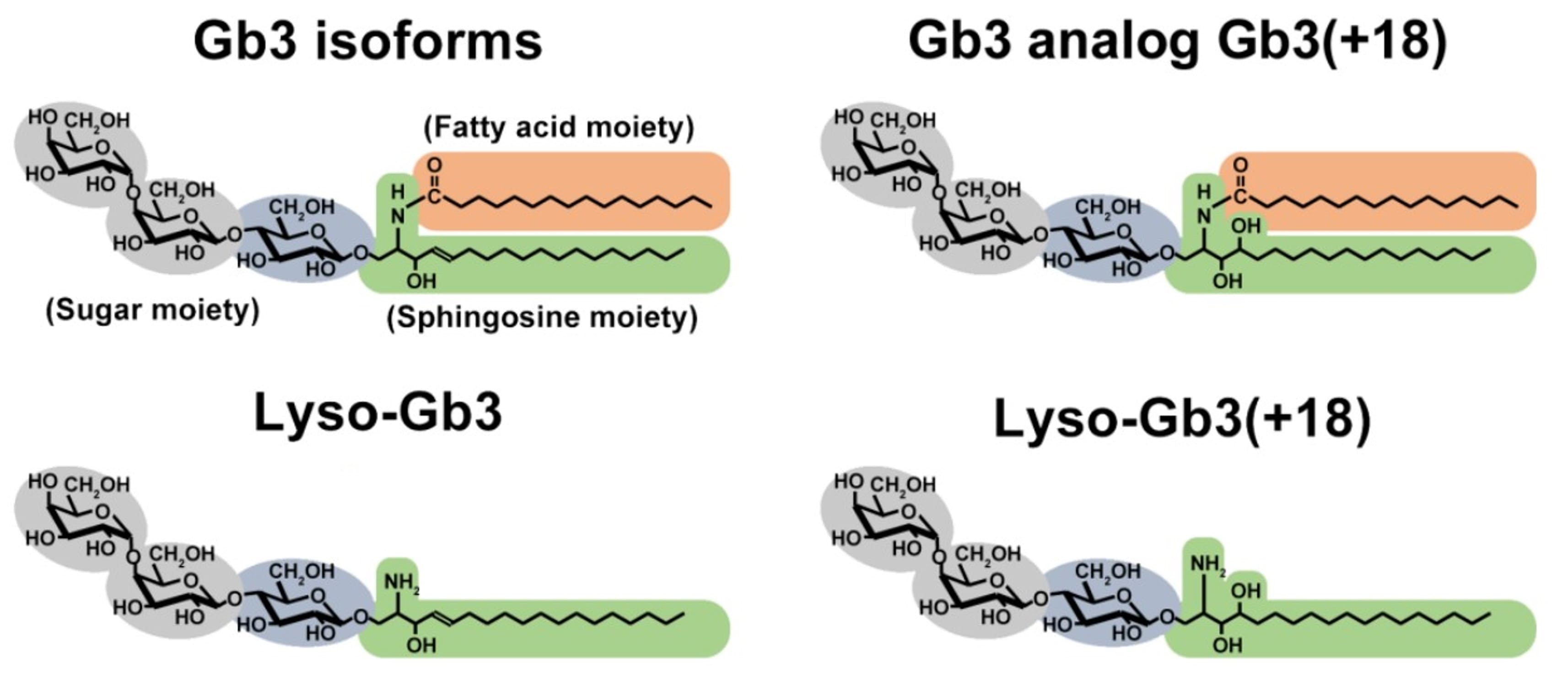
Figure 3. Schematic structure of Gb3 and Lyso-Gb3, as well as analogs Gb3 (+18) and Lyso-Gb3 (+18) [4]
Different modifications to the sphingosine and fatty acid moieties result in various Gb3 isoforms or analogs; 37 types have been reported in mouse models. Due to this wide variety, and the difficulty, high cost, and long cycles associated with synthesizing reference standards, quantifying all isoforms or analogs is impractical. However, quantifying only a few may lead to missing indicator information. In this context, adopting targeted metabolomics can reduce costs and shorten timelines while extensively monitoring changes in various isoforms or analogs, providing more comprehensive efficacy information during the drug development phase.
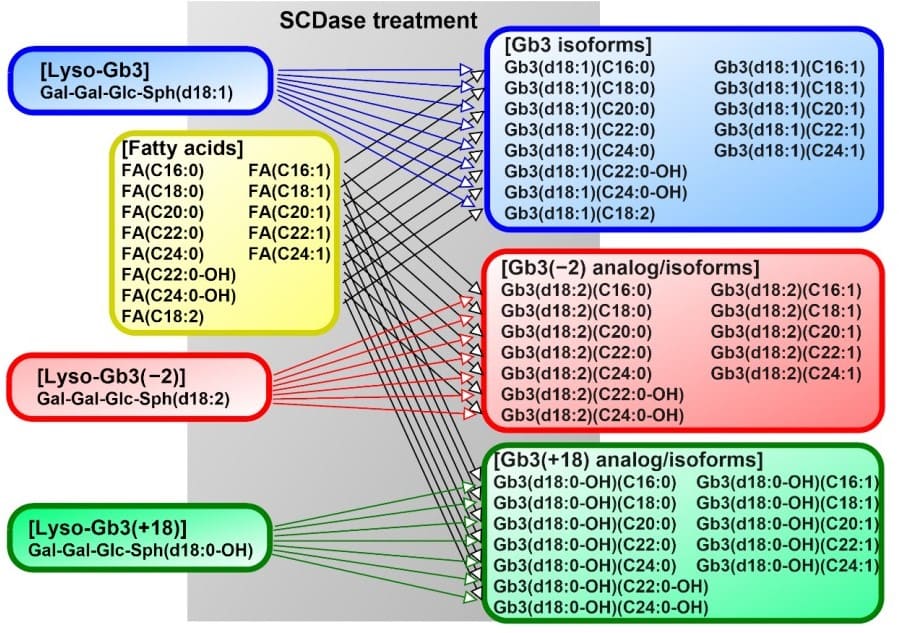
Figure 4. Gb3 isoform compounds and Gb3 homolog Gb3(-2), Gb3(+18) isoform compounds [4]
We monitored over 40 Gb3 isoforms and analogs, as well as 9 Lyso-Gb3 compounds and analogs, in the kidneys, skin, heart, and brain of Fabry disease mice and wild-type mice. The results showed a higher relative content of Gb3 in the skin, kidneys, and heart of Fabry disease mice. For example, Gb3(d18:1)(C24:1)(2OH), Gb3(d18:1)(C16:1), Gb3(d18:1)(C16:0), Gb3(d18:1)(C22:0), and Gb3(d18:1)(C24:0) showed significant accumulation in the kidneys, skin, and heart of model mice, but relatively low content in the brain. Furthermore, different Gb3 isoforms and analogs exhibited distinct distribution tendencies across tissues; for instance, Gb3(d18:2)(C17:0) and Gb3(d18:2)(C16:1) were mainly distributed in the kidneys, whereas Gb3(d18:1)(C16:0) was primarily found in the skin and heart. Lyso-Gb3 and its analogs also accumulated significantly in the kidneys, skin, heart, and brain of model mice, with Lyso-Gb3, Lyso-Gb3(-2), and Lyso-Gb3(+18) having the highest relative content, consistent with literature reports.
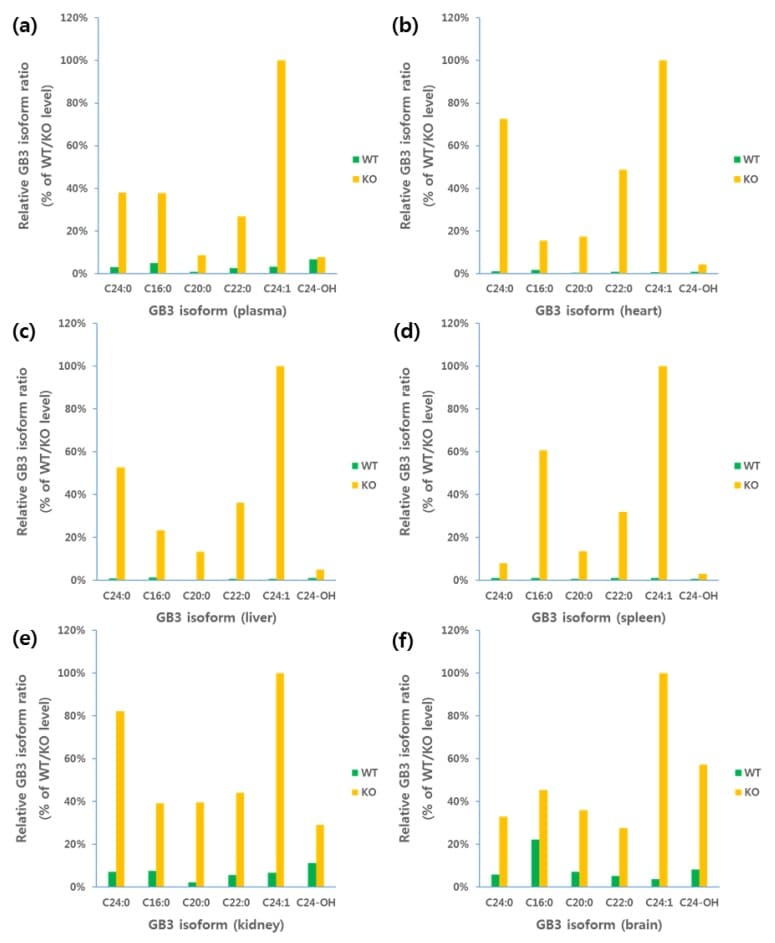
Figure 5. Comparison of Gb3 series compounds in normal and model animal organs [2]
Investigating the Relationship Between Regioisomers of Target Metabolites and Disease
In targeted metabolomics, particularly lipidomics, it is essential not only to distinguish different lipid isoforms but also to recognize that lipid groups in different regions influence physiological and pathological progression in organisms.
For example, Phosphoinositide 3-kinase (PI3K) is an enzyme that phosphorylates and activates PI(4,5)P2 to PI(3,4,5)P3, playing a regulatory role in cell cycle progression, cell growth, survival, actin rearrangement, migration, and intracellular vesicle transport. Due to its central role in tumor biology, PI3K has become a promising drug target. Beyond the specific role of the PIPx fatty acyl profile in metabolism, positional isomers on the inositol ring also play critical roles. Therefore, lipidomics analytical methods that can separate all positional isomers and cover different fatty acyl species are highly necessary [1]. Literature has reported the detection of different fatty acyl phosphoinositides and their cellular distribution, which has significantly promoted related drug development.
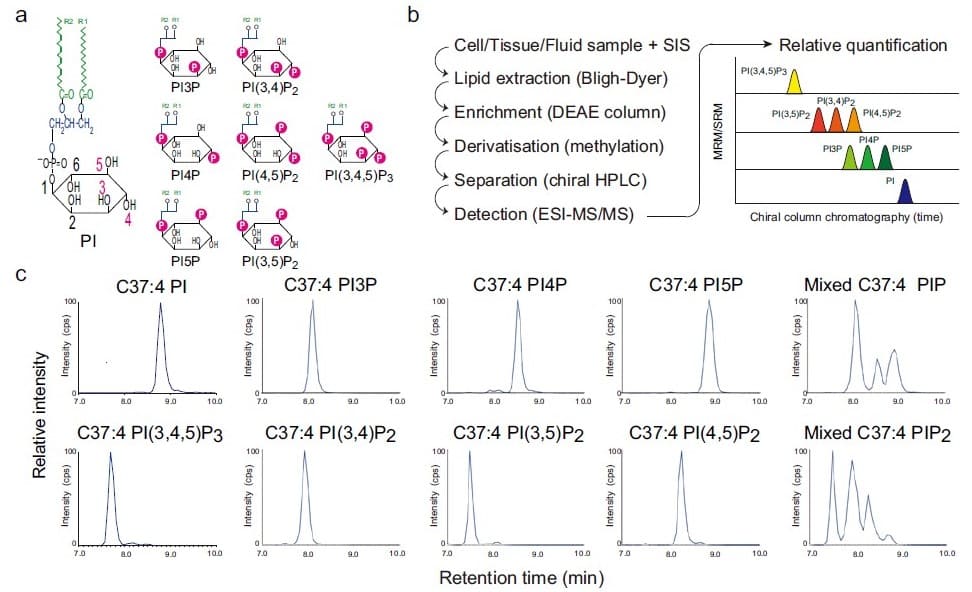
Figure 6. Schematic and chromatograms of phosphoinositide regioisomers [3]
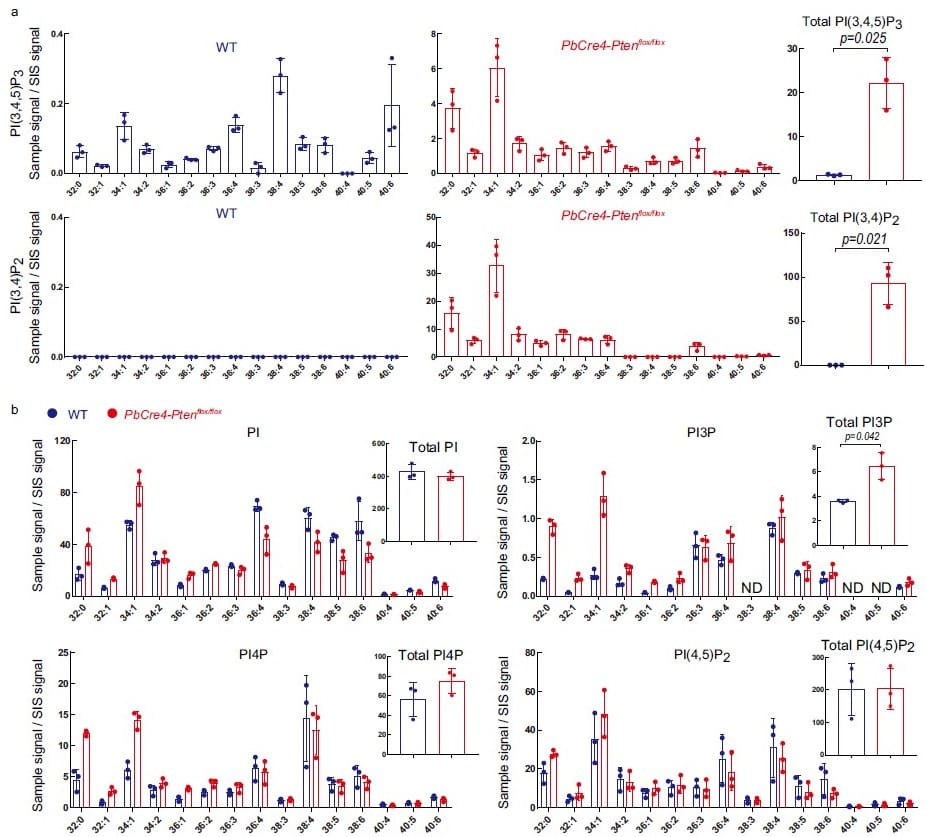
Figure 7. Distribution of different fatty acyl phosphoinositide regioisomers in animal tissues [3]
Conclusion and Future Trends
Currently, metabolomics testing technologies have made significant progress, providing strong support for disease diagnosis and drug development. As technologies continue to evolve and optimize, metabolomics detection methods will become more efficient and accurate, bringing further breakthroughs to life sciences research. Simultaneously, the application of technologies such as deep learning will offer broader prospects for targeted metabolomics, especially in targeted lipidomics. Looking ahead, targeted metabolomics detection methods are gradually developing toward high throughput and automation. The introduction of bioinformatics and chemometrics provides new means for processing and analyzing targeted metabolomics data, aiding in the discovery of new drugs and more meaningful biomarkers. Improvements in software identification capabilities, the further enrichment of databases, and advancements in separation technologies will enable targeted metabolomics to play an increasingly significant role in drug research.
WuXi AppTec DMPK has accumulated extensive research experience in biomarker screening and high-throughput detection, successfully establishing a targeted metabolomics detection platform based on tandem mass spectrometry and high-resolution mass spectrometry to provide customers with integrated metabolomics testing services.
Table 1. Targeted Metabolomics Research Platform and Content
Targeted Metabolome | Detection Platform | Deliverable |
Short-chain fatty acids, Long-chain fatty acids | LC-MS/MS LC-HRMS | Report: Provide a metabolomics report with a visualized data presentation for further client research or application. |
Bile acids | ||
Amino acids | ||
Neurotransmitters | ||
Melatonin | ||
Lipid metabolism (LPA, PIP, Gb3 (including Lyso Gb3), etc.) | ||
Glucose metabolism | ||
Customized detection |
Authors: Hongmei Wang, Zhiyu Li, Weiyi Liu, Qian Chen, Lili Xing
Talk to a WuXi AppTec expert today to get the support you need to achieve your drug development goals.
Committed to accelerating drug discovery and development, we offer a full range of discovery screening, preclinical development, clinical drug metabolism, and pharmacokinetic (DMPK) platforms and services. With research facilities in the United States (New Jersey) and China (Shanghai, Suzhou, Nanjing, and Nantong), 1,000+ scientists, and over fifteen years of experience in Investigational New Drug (IND) application, our DMPK team at WuXi AppTec are serving 1,600+ global clients, and have successfully supported 1,700+ IND applications.
Reference
[1] Peng Li, Michael Lämmerhofer. Isomer Selective Comprehensive Lipidomics Analysis of Phosphoinositides in Biological Samples by Liquid Chromatography with Data Independent Acquisition Tandem Mass Spectrometry. Anal. Chem. 2021, 93, 9583−9592. http://doi.org/10.1021/acs.analchem.1c01751
[2] Seok-Ho Shin, et al. A Liquid Chromatography-Quadrupole-Timeof-Flight Mass Spectrometric Assay for the Quantification of Fabry Disease Biomarker Globotriaosylceramide (GB3) in Fabry Model Mouse. Pharmaceutics 2018, (10), 69.
[3] Morioka, Shin, et al. A mass spectrometric method for in-depth profiling of phosphoinositide regioisomers and their disease-associated regulation. Nature Communications, 01 Dec 2022, Vol. 13, Issue 1, pages 83.
[4] Satoshi Ishii, et al. Determination of globotriaosylceramide analogs in the organs of a mouse model of Fabry disease. J. Biol. Chem. (2020) 295(17) 5577–5587. DOI 10.1074/jbc.RA120.012665


Related Resources
-
Rapid and Reproducible Dibutylation Derivatization Coupled with Ultra-High Performance Liquid Chromatography-Tandem Mass Spectrometry for the Simultaneous Determination of Dopamine, Norepinephrine and 5-Hydroxytryptamine in Rat Brain Microdialysates
 Publications
-
Establishment of a High-Throughput Screening and Characterization Platform for Covalent Inhibitor Drugs
Posters




Stay Connected
Keep up with the latest news and insights.

